
Yemeni Conflict Escalation Triggers Severe Child Malnutrition and Supply Chain Vulnerabilities
Renewed fighting in Yemen has displaced tens of thousands of children and driven acute malnutrition rates higher, compounding critical risks for international shipping lanes and regional stability.
Geopolitical & Core Developments
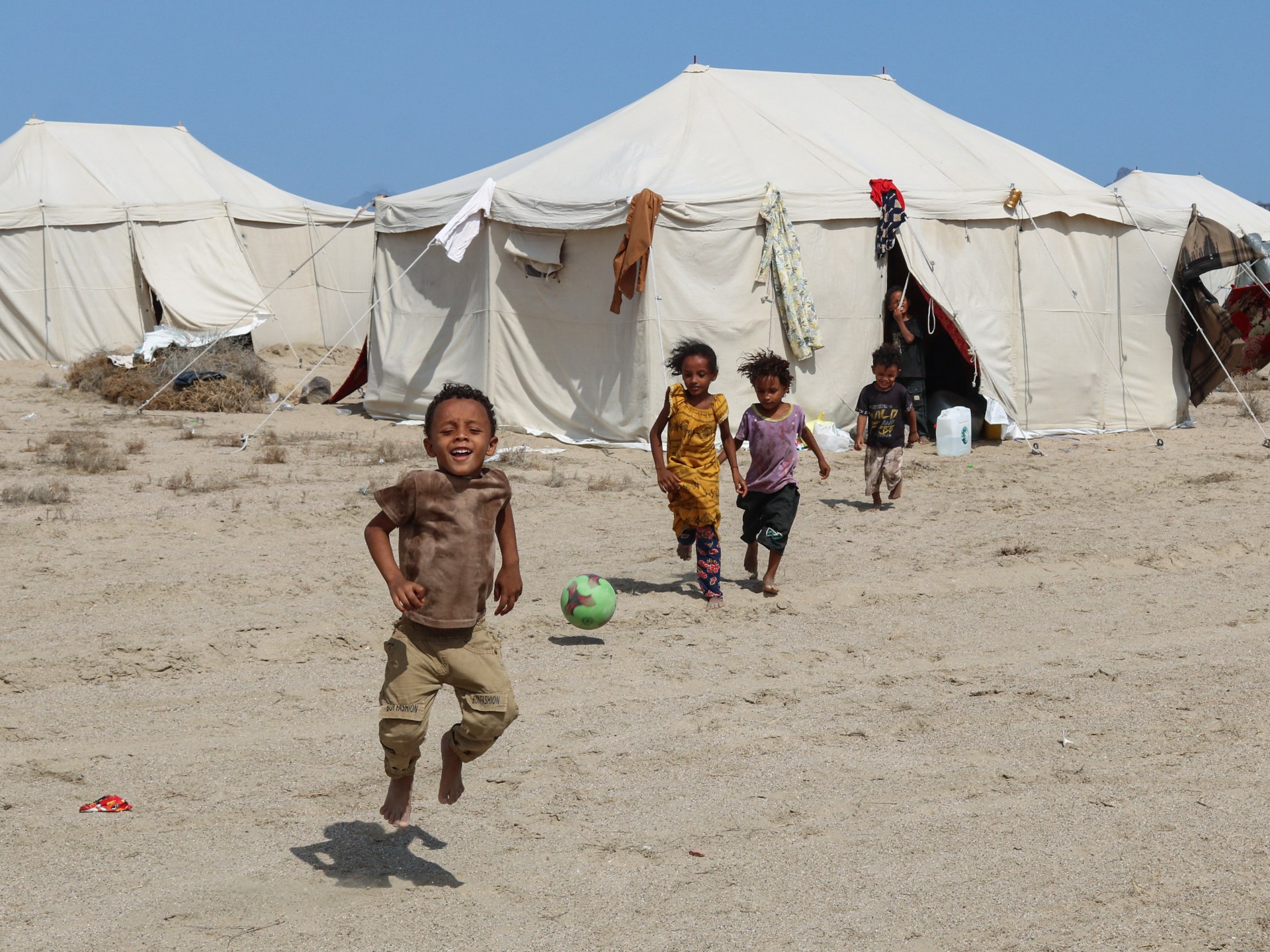
The resumption of intense localized hostilities in Yemen has precipitated a severe humanitarian emergency, forcing more than 71,000 children to flee their homes amid escalating violence. According to recent field assessments released by the United Nations Children's Fund (UNICEF), the renewed conflict has severely compromised civil infrastructure, health systems, and food distribution networks across multiple contested governorates. State actors and regional factions continue to vie for territorial control, undermining fragile ceasefires and stalling broader peace initiatives brokered by international mediators. The intensification of military operations has not only deepened the domestic suffering of vulnerable populations but has also complicated the security matrix of the southern Arabian Peninsula, drawing renewed international scrutiny to the protracted civil conflict.
Global Trade & Economic Ripples
The deterioration of stability in Yemen carries profound implications for global commerce, particularly regarding international maritime transit through the Bab el-Mandeb strait and the wider Red Sea corridor. As a critical choke point connecting the Indian Ocean to the Suez Canal, any disruption or perception of heightened security risk in this geographic sector directly impacts global supply chains, container shipping schedules, and international freight rates. Energy markets remain acutely sensitive to security developments in the region, as regional volatility threatens petroleum and liquefied natural gas shipments destined for European and Asian markets. Furthermore, increased insurance premiums for vessels transiting the southern Red Sea continue to inflate operating costs for global shipping conglomerates, ultimately translating into upward pricing pressures on traded commodities.
Related Intelligence: Karachi Faces Major Disruptions As Jamaat-e-Islami Launches Petroleum Levy Protests
International Reactions & Diplomatic Stances
Multilateral organizations and international bodies have expressed profound alarm over the compounding humanitarian and security crises in Yemen. UNICEF officials have issued urgent appeals for unrestricted humanitarian access and immediate financial contributions to scale up life-saving therapeutic feeding programs for malnourished infants and children. Representatives from the United Nations Security Council have reiterated calls for an immediate cessation of hostilities, emphasizing that military escalation threatens to permanently derail political dialogue. Major trading nations and regional governments have similarly underscored the necessity of safeguarding international shipping lanes, prompting discussions on enhanced maritime security task forces and coordinated diplomatic interventions to deter further destabilization.
Strategic Outlook & Future Scenarios
Looking ahead, the trajectory of the Yemeni conflict remains closely intertwined with broader geopolitical realigning across the Middle East. Absent a renewed and durable diplomatic framework, the risk of protracted instability threatens to entrench humanitarian vulnerabilities and perpetuate maritime security threats well into the medium term. Upcoming international summits and diplomatic roundtables will likely focus on reinforcing humanitarian funding mechanisms while attempting to revive stalled peace talks between primary belligerents. Economists and geopolitical analysts warn that failure to secure a lasting cessation of hostilities could lead to permanent rerouting of strategic maritime traffic, permanently altering global trade dynamics and escalating security expenditure for international mercantile fleets.
Join Our Official WhatsApp Channel
Receive live commodity alerts, policy changes, and commercial intelligence directly on WhatsApp.