
Kyiv Bridge Strikes Escalate Infrastructure Warfare and Global Supply Risks
Russian missile strikes targeting Kyiv's Northern Bridge intensify infrastructure warfare, triggering fresh concerns across global commodity markets and international diplomatic channels regarding regional logistics and supply chain stability.
Geopolitical & Core Developments
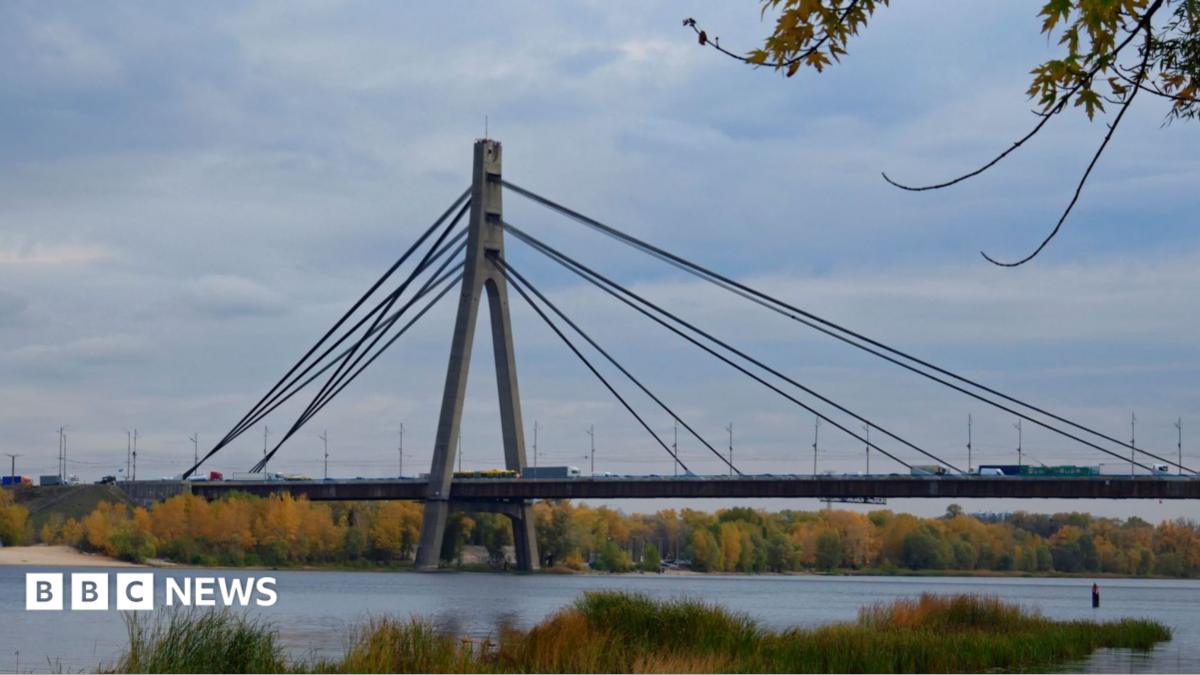
The conflict in Eastern Europe has entered a critical new phase of infrastructure degradation, following confirmation from Kyiv municipal authorities that Russian forces have struck the strategic Northern Bridge. This latest kinetic escalation follows repeated precision attacks on another major transport artery in the Ukrainian capital over recent days. Military analysts view the systematic targeting of metropolitan bridges not merely as tactical interdiction of military supply lines, but as a calculated campaign to paralyze urban administration, disrupt internal logistics, and break civilian morale.
The strikes underscore a deteriorating security environment where critical civilian infrastructure is increasingly integrated into the theatre of operations. As air defense systems struggle to intercept high-precision munitions across densely populated urban centers, the strategic stakes for the Ukrainian government have escalated. Maintaining internal lines of communication, humanitarian access, and emergency response capabilities within Kyiv remains paramount, yet the persistent bombardment of vital river crossings strains municipal resources and forces a reallocation of defensive assets away from frontline positions in the east and south.
Global Trade & Economic Ripples
While the immediate human and physical toll is concentrated within the Ukrainian capital, the shockwaves of escalating infrastructure warfare extend directly into global commodity markets. Ukraine remains a vital node in European and international trade networks, particularly concerning agricultural exports, steel production, and regional transport corridors. The systematic degradation of transport infrastructure heightens logistical friction, driving up insurance premiums for regional transit and threatening the predictable flow of goods across Eastern Europe.
International energy and grain markets have demonstrated heightened sensitivity to physical escalations in Kyiv. Although the Northern Bridge itself is an urban commuter and logistics link rather than a direct export pipeline, its destruction symbolizes the unmitigated continuation of hostilities that suppress foreign direct investment and complicate post-war reconstruction planning. Commodity traders are continuously recalibrating risk premiums, factoring in the potential for broader disruptions to European rail and road networks that connect Ukrainian producers to European Union ports.
Related Intelligence: Gaza Elections Approach Amid Reconstruction Urgency and Economic Strains
International Reactions & Diplomatic Stances
Global capitals and multilateral institutions have condemned the latest wave of infrastructure strikes, framing the attacks as a blatant disregard for international humanitarian law. Western governments are currently reviewing additional sanctions packages and accelerating the delivery of advanced air defense systems to bolster Ukrainian urban protection capabilities. Diplomatic channels are increasingly focused on hardening critical infrastructure against future assaults, with technical assistance being mobilized from European partners to rapidly repair damaged transport nodes.
Meanwhile, market analysts and international financial institutions are monitoring the situation for signs of broader macroeconomic contagion. The persistent targeting of non-military urban assets reinforces the deadlock in diplomatic negotiations, dimming prospects for a negotiated ceasefire in the near term. Consequently, multinational corporations operating in the region are updating contingency plans, prioritizing supply chain diversification, and mitigating exposure to Eastern European logistical bottlenecks.
Strategic Outlook & Future Scenarios
Looking ahead, the trajectory of the conflict suggests a prolonged campaign of attrition centered heavily on infrastructure degradation and economic strangulation. Upcoming international summits and diplomatic engagements will likely focus on securing financial commitments for emergency infrastructure repair and expanding air defense coverage for major metropolitan areas.
As winter approaches, the weaponization of transport and energy networks is expected to intensify, posing acute challenges for regional stability. For global commodity markets, the prevailing outlook is characterized by persistent volatility and elevated risk pricing. Stakeholders across international trade and geopolitical spheres must prepare for a protracted period of supply chain adaptation, where physical security in Eastern Europe remains the primary determinant of regional economic resilience.
Join Our Official WhatsApp Channel
Receive live commodity alerts, policy changes, and commercial intelligence directly on WhatsApp.