
North Korean Missile Launch Shakes Regional Stability and Commodity Markets
North Korea's latest ballistic missile test from Wonsan has heightened security tensions across East Asia, injecting new volatility into regional trade routes and global commodity markets.
Geopolitical & Core Developments
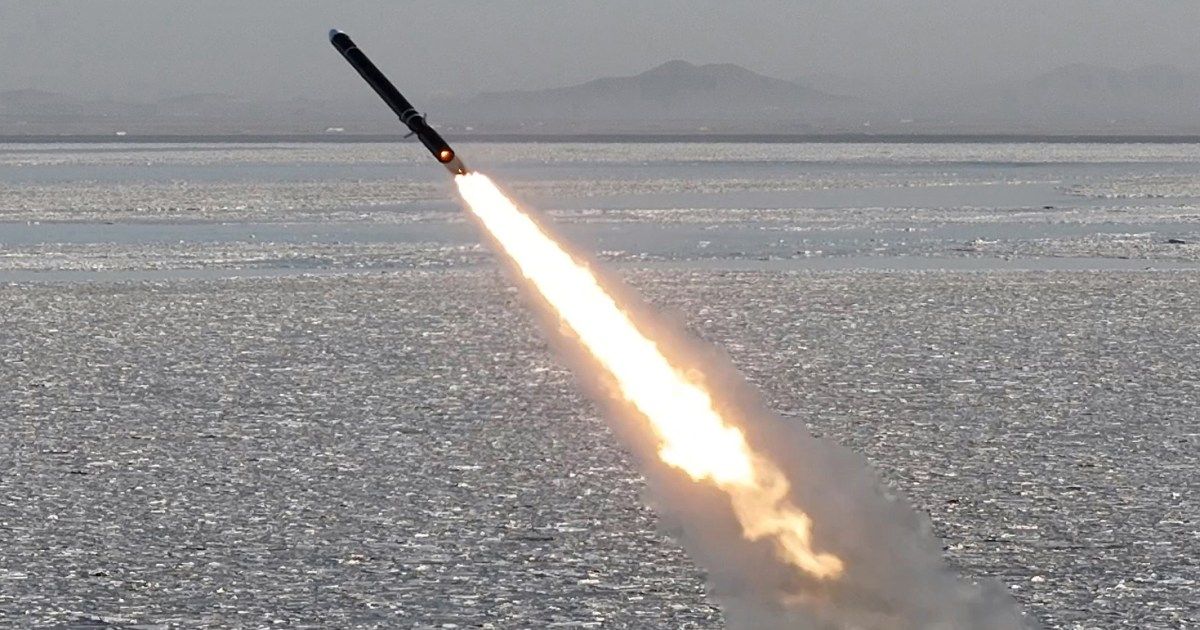
Pyongyang has escalated regional security concerns by test-firing a ballistic missile from its eastern port city of Wonsan. According to South Korea's Joint Chiefs of Staff, the projectile traveled a distance exceeding 700 kilometers before splashing down into the sea between the Korean Peninsula and Japan. This strategic launch represents the latest in an accelerating series of weapons tests by the North Korean regime, defying multiple United Nations Security Council resolutions and directly challenging the security architecture of Northeast Asia. The trajectory and flight distance underscore Pyongyang's continued technological refinement of its medium-range missile arsenals, designed to test regional missile defense systems operated by Seoul, Tokyo, and Washington.
The timing of the launch coincides with a delicate period of diplomatic readjustment among major global powers. Security analysts note that North Korea frequently utilizes technological demonstrations to extract political leverage, signal displeasure against allied military exercises, or project strength domestically. The Wonsan launch immediately triggered emergency intelligence-sharing protocols between South Korea, Japan, and the United States, emphasizing the unified defensive posture adopted by these allied nations. However, the recurring cycle of provocation and condemnation highlights the persistent diplomatic stalemate on the peninsula, leaving few viable avenues for near-term denuclearization talks or confidence-building measures.
Global Trade & Economic Ripples
While the immediate aftermath of the missile test remains localized to security deliberations, the broader implications for international commerce and global commodity markets are profound. Northeast Asia serves as a critical engine for the world economy, encompassing major manufacturing hubs, semiconductor fabrication centers, and some of the busiest commercial shipping lanes on the planet. Any sustained military escalation or naval disruption in the Sea of Japan or Yellow Sea introduces severe risk premiums into global supply chains. International maritime insurers and shipping conglomerates monitor these developments closely, as heightened naval tensions can prompt vessel rerouting, elevated freight rates, and increased transit times for manufactured goods and raw materials destined for Western markets.
Furthermore, global energy markets and agricultural commodity flows remain acutely sensitive to security shocks in the Asia-Pacific region. Although the direct physical impact on oil and gas infrastructure was negligible in this instance, sustained geopolitical friction elevates speculative volatility across energy futures. Importers of liquefied natural gas (LNG), crude oil, and industrial metals across East Asia face compounding risks as geopolitical premiums are factored into procurement contracts. Any escalation that threatens regional trade corridors forces multinational corporations to reassess their operational exposure, inventory strategies, and supply chain resilience, ultimately feeding into inflationary pressures across international markets.
Related Intelligence: South Africa Famine of Safety Threatens Economic Stability and Foreign Investment
International Reactions & Diplomatic Stances
Official responses from international capitals and multilateral institutions were swift and decisive. Seoul and Tokyo issued immediate, robust condemnations of the launch, characterizing the missile test as a grave violation of international law and a direct threat to regional peace. Officials in Washington reaffirmed their ironclad security commitments to both South Korea and Japan, signaling that defense cooperation and deterrence measures will be further reinforced. United Nations bodies reiterated that Pyongyang's continued development of ballistic missile capabilities undermines global non-proliferation norms and stability.
Market analysts and geopolitical risk consultancies have incorporated these developments into broader assessments of sovereign and operational risk across the Indo-Pacific. Financial institutions and institutional investors are watching for potential secondary sanctions or tightened multilateral export controls aimed at curbing North Korea's illicit revenue-generation networks. Despite persistent calls from Western diplomats for renewed dialogue, international bodies face diminishing diplomatic leverage, as Beijing and Moscow continue to block consensus-driven punitive measures within the UN Security Council, effectively insulating Pyongyang from harsher multilateral isolation.
Strategic Outlook & Future Scenarios
Looking ahead, the trajectory of regional security points toward sustained volatility, with few catalysts for immediate diplomatic de-escalation. Intelligence assessments suggest that North Korea will likely continue its testing cycle, potentially culminating in more advanced strategic demonstrations, including solid-fuel intercontinental ballistic missile tests or satellite launches. Upcoming political transitions and diplomatic summits across the Asia-Pacific will serve as crucial barometers for measuring how allied nations calibrate their deterrence strategies against ongoing provocations.
For global corporations and commodity traders, navigating this environment requires sophisticated risk management frameworks that account for sudden geopolitical shifts. As economic statecraft and security concerns become increasingly intertwined, market participants must prepare for prolonged uncertainty in East Asia. The intersection of advanced weapons testing and vital global trade routes ensures that regional developments will continue to exert an outsized influence on international commercial stability and macroeconomic planning well into the future.
Join Our Official WhatsApp Channel
Receive live commodity alerts, policy changes, and commercial intelligence directly on WhatsApp.