
WHO Warns of Humanitarian Catastrophe and Supply Chain Strains in Gaza
The World Health Organization warns of devastating consequences from delayed medical aid into Gaza, triggering severe humanitarian concerns and compounding regional economic instability.
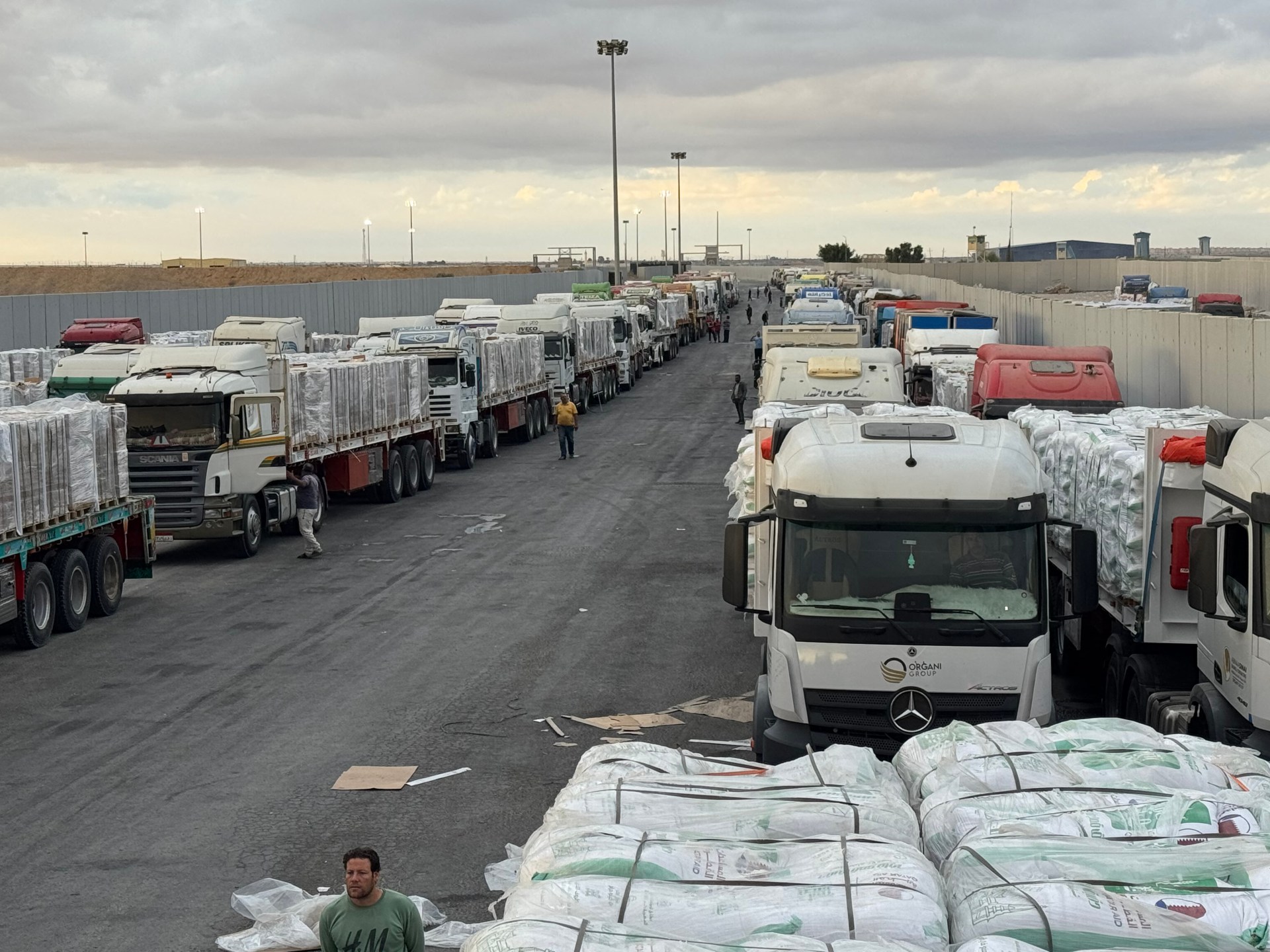
Geopolitical & Core Developments
The humanitarian crisis in the Gaza Strip has reached a critical juncture, drawing intense scrutiny from international monitors and multilateral organizations. Representatives from the World Health Organization (WHO) have issued urgent appeals directed at Israeli authorities, demanding the immediate easing of restrictions on vital medical shipments and humanitarian cargo entering the enclave. Months of bureaucratic bottlenecks, stringent inspection protocols, and active conflict dynamics have severely bottlenecked the flow of life-saving therapeutics, surgical equipment, and basic pharmaceuticals.
Strategic stakes continue to rise as diplomatic channels struggle to establish reliable humanitarian corridors. The operational paralysis at key border crossings underscores the fragility of existing cease-fire negotiations and interim diplomatic frameworks. Regional state actors, including neighboring Egypt and international mediators, report growing friction regarding border management protocols. Meanwhile, civilian infrastructure inside the enclave remains on the verge of total collapse, amplifying the strategic urgency for institutional intervention and unhindered access for international relief agencies.
[Global Trade](/news/canada-labor-overhaul-trade-supply-chain-concerns) & Economic Ripples
While the immediate crisis is measured in human toll, the secondary shockwaves are reverberating through global trade networks, commodity markets, and regional supply chains. The protracted instability in the Levant and broader Middle East continues to inject volatility into maritime logistics, particularly around crucial chokepoints connecting the Mediterranean Sea to the Red Sea. Shipping lines and logistics conglomerates are routinely forced to re-evaluate route economics, driving up freight rates, bunker fuel consumption, and marine war-risk insurance premiums.
Energy markets remain exceptionally sensitive to any escalation in the region. Although direct oil and gas production facilities within the immediate Gaza vicinity are limited, the psychological and geopolitical premium priced into Brent crude reflects persistent fears of a wider regional conflagration involving major energy-producing nations. Furthermore, currency valuations across Middle Eastern emerging markets exhibit heightened vulnerability, as foreign direct investment slows and capital flight responds to prolonged geopolitical uncertainty.
Related Intelligence: North Korean Missile Launch Shakes Regional Stability and Commodity Markets
International Reactions & Diplomatic Stances
Multilateral bodies and Western capitals have intensified pressure on regional actors to facilitate unhindered humanitarian access. United Nations leadership has repeatedly emphasized that administrative delays violate international humanitarian law, prompting emergency debates within the UN Security Council. European Union trade and foreign policy officials have echoed these concerns, calling for transparent oversight mechanisms to expedite cargo clearance at border terminals.
Market analysts and geopolitical risk consultancies note that these diplomatic deadlocks are eroding confidence in multilateral governance structures. Sovereign bond markets in the region have experienced sporadic yield spikes as international investors price in the heightened risk of prolonged instability and potential secondary trade sanctions targeting supply network disruptors.
Strategic Outlook & Future Scenarios
Looking ahead, the trajectory of the crisis will depend heavily on upcoming diplomatic summits and the enforcement of international pressure by global superpowers. Should border access remain constrained, experts warn of accelerated public health collapses that could trigger mass displacement pressures across international borders, fundamentally altering regional demographics and security architectures.
Upcoming international economic forums will likely feature emergency sessions addressing supply chain resilience in conflict zones. Without a durable diplomatic breakthrough and the systematic depoliticization of humanitarian logistics, global markets must prepare for sustained volatility, elevated insurance costs, and persistent geopolitical friction along critical Eurasian trade corridors.
Join Our Official WhatsApp Channel
Receive live commodity alerts, policy changes, and commercial intelligence directly on WhatsApp.