
Gaza Elections Approach Amid Reconstruction Urgency and Economic Strains
As Palestinian national elections approach for the first time in two decades, residents in Gaza prioritize urgent economic rebuilding, employment opportunities, and long-term security amid lingering geopolitical uncertainties.
Geopolitical & Core Developments
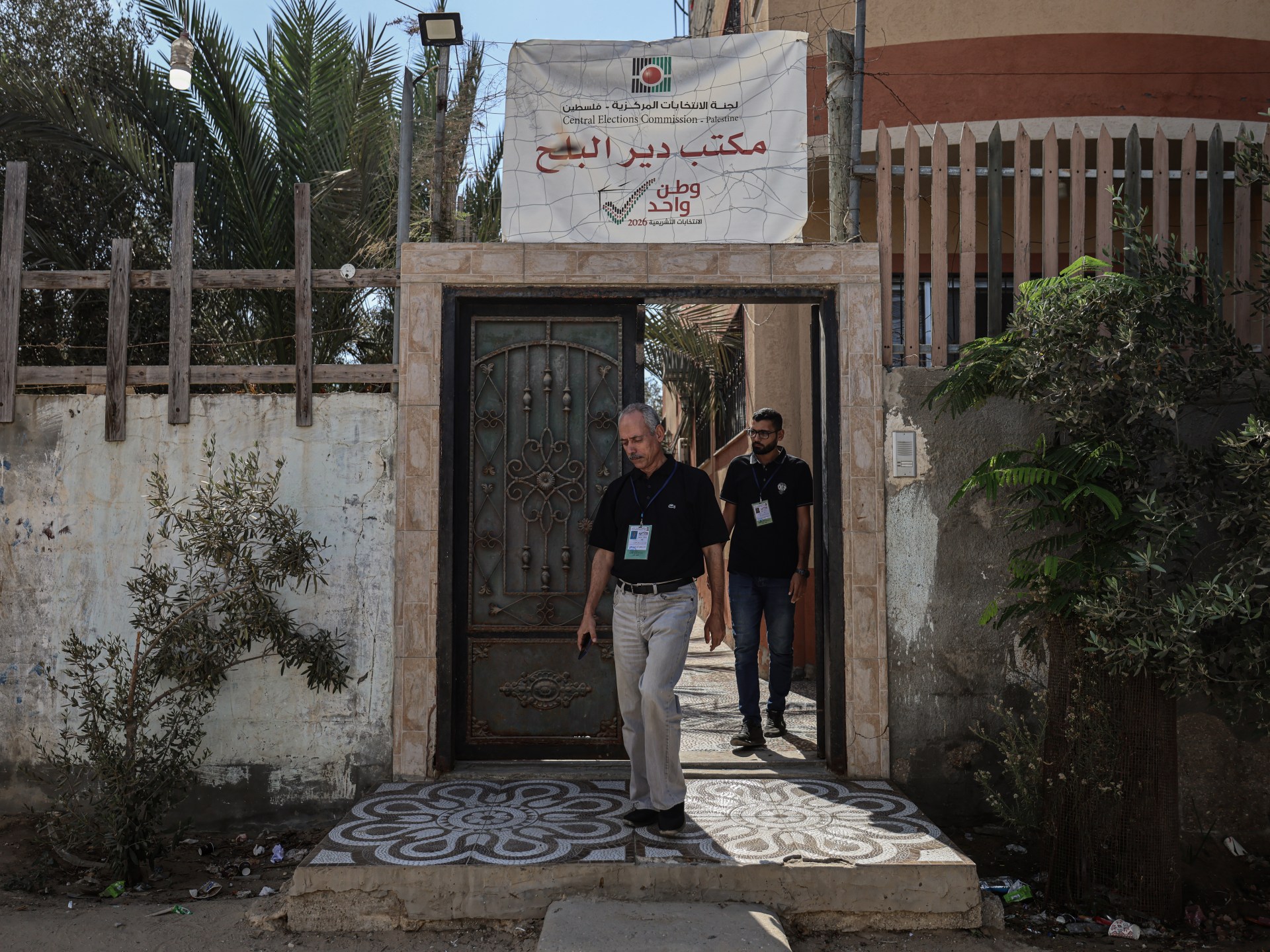
For the first time in two decades, the prospect of Palestinian national elections has introduced a complex dynamic into the political landscape of the Gaza Strip and the broader West Bank. Decades of institutional division, blockades, and recurring military escalations have left political structures fractured and civic infrastructure severely degraded. As political factions navigate the preliminary phases of electoral mobilization, the population's primary concerns have shifted away from traditional partisan rhetoric toward fundamental human security, governance accountability, and the logistics of civil rehabilitation.
The international community, alongside regional mediators, views the potential electoral process as a critical test of administrative legitimacy and state-building capacity. However, deep-seated diplomatic hurdles remain. Questions regarding territorial connectivity, voter registry access across fractured administrative zones, and external security controls imposed by occupying authorities complicate the timeline. State actors in the region and multilateral observers are closely evaluating whether a credible electoral framework can be established without precipitating further internal friction or triggering new rounds of diplomatic standoff.
Global Trade & Economic Ripples
While localized elections primarily address domestic governance, the economic dimensions of Gaza's reconstruction carry broader implications for eastern Mediterranean commerce and regional trade corridors. Protracted conflict and structural blockades have historically suppressed commercial activity, transforming the enclave into an aid-dependent economy disconnected from formal international commodity markets. The prospect of renewed governance and large-scale reconstruction injects a degree of economic uncertainty into regional supply chains, particularly concerning construction materials, energy imports, and labor migration.
Global commodity markets, specifically energy and shipping futures tied to the Suez Canal and eastern Mediterranean maritime routes, remain acutely sensitive to geopolitical stability in the Levant. Although direct commercial exposure to Gaza's local economy is minimal, broader escalations or subsequent stabilization efforts directly influence investor confidence across Middle Eastern energy hubs. Insurers and maritime logistics firms factor these security risks into freight rates and transit premiums, creating indirect cost pressures that resonate through international trade networks.
Related Intelligence: WHO Warns of Humanitarian Catastrophe and Supply Chain Strains in Gaza
International Reactions & Diplomatic Stances
Multilateral bodies and Western capitals have responded to the electoral announcements with a mixture of cautious optimism and diplomatic pragmatism. The United Nations has emphasized that any credible political transition must be accompanied by unhindered humanitarian access, financial transparency, and robust international oversight to ensure aid efficiency. Market analysts and geopolitical risk consultancies note that international donor fatigue remains a significant hurdle; foreign capital will likely remain sequestered until verifiable security guarantees and stable administrative counterparts are established.
Neighboring states, including Egypt and Jordan, maintain a vital interest in the stabilization of the Palestinian territories, viewing economic revitalization as a necessary bulwark against radicalization and cross-border displacement pressures. Official statements from European Union representatives underscore the necessity of institutional reform and the reinstatement of the rule of law as preconditions for substantive development funding and long-term trade agreements.
Strategic Outlook & Future Scenarios
Looking ahead, the trajectory of the upcoming elections and subsequent reconstruction efforts will depend heavily on international diplomacy, donor state commitments, and the security policies enacted by regional actors. Key escalation points include potential administrative impasses between rival Palestinian factions, restrictions on movement and material imports, and the volatility of broader Middle Eastern security dynamics.
Should the electoral process proceed smoothly and unlock substantial reconstruction funding, the region could witness a localized economic revival, easing humanitarian burdens and stabilizing eastern Mediterranean trade routes. Conversely, an institutional breakdown or renewed political deadlock risks cementing economic stagnation, perpetuating regional volatility, and sustaining insurance and freight premiums across international shipping lanes.
Join Our Official WhatsApp Channel
Receive live commodity alerts, policy changes, and commercial intelligence directly on WhatsApp.