
Senegal Faces Pivotal Choice to Overcome Structural Debt Crisis
Senegal confronts a critical juncture in managing its sovereign debt, requiring a departure from conventional structural adjustment paradigms to secure genuine economic sovereignty and long-term fiscal stability.
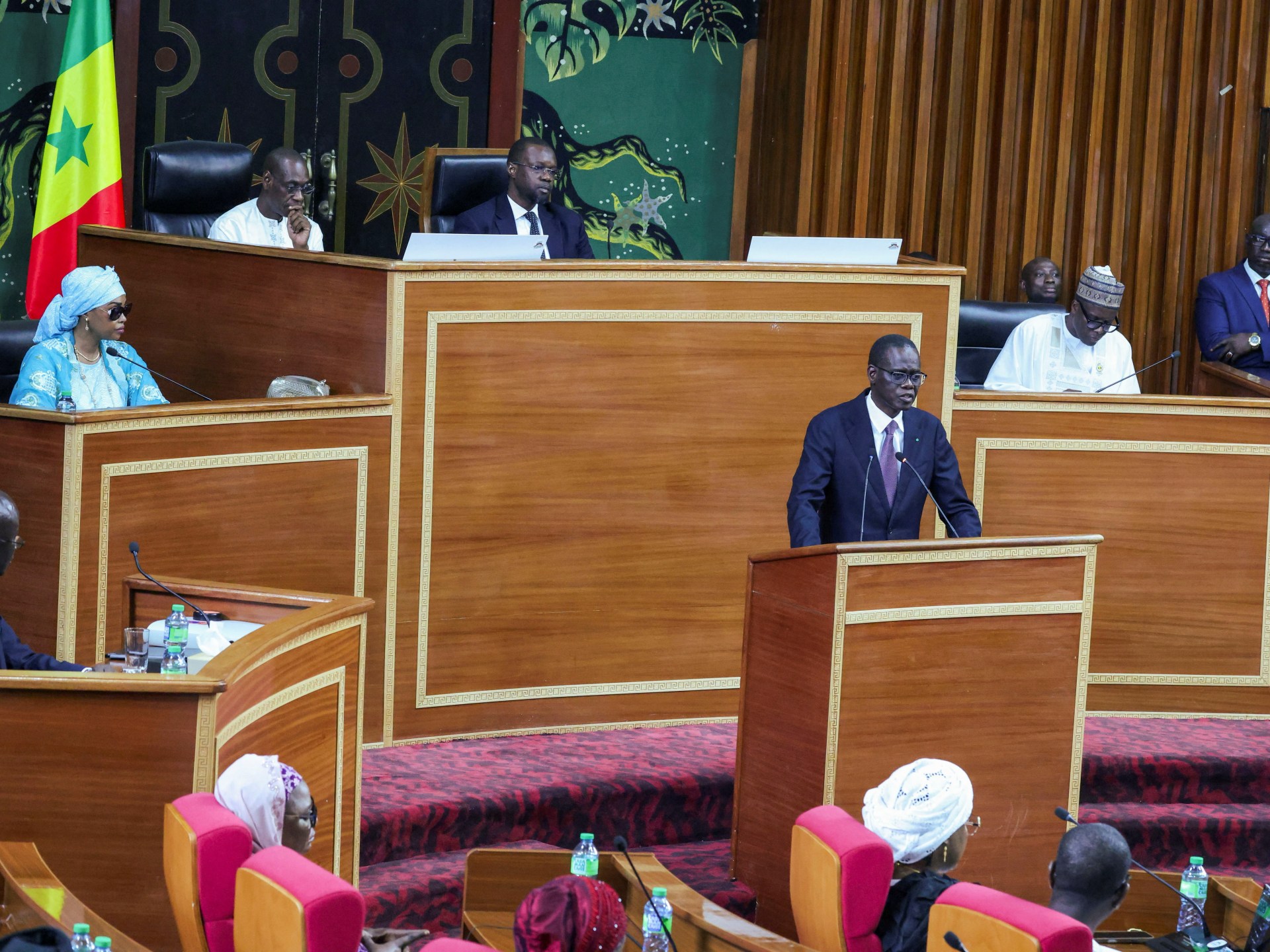
Geopolitical & Core Developments
Senegal stands at a critical crossroads in its modern economic history, as policymakers in Dakar grapple with the profound challenge of sovereign debt sustainability. For decades, the West African nation has navigated a complex web of international financial obligations, often constrained by conventional structural adjustment programs mandated by global financial institutions. These historical interventions, while designed to stabilize macroeconomic indicators, frequently exacerbated social pressures and constrained domestic investment in vital infrastructure and human capital. Today, the administration faces the urgent imperative of redefining its financial sovereignty. This requires moving beyond traditional austerity measures that have historically stifled domestic growth and failed to break the underlying cycle of indebtedness. The geopolitical stakes extend far beyond Dakar's borders, as Senegal's approach to debt management serves as a potential blueprint for other emerging economies seeking equitable integration into the global financial architecture.
Global Trade & Economic Ripples
As a rising player in West Africa's energy and agricultural sectors, Senegal's fiscal health has direct implications for regional commerce and international supply chains. The nation's emerging offshore oil and gas developments, alongside its traditional agricultural exports, position it as an increasingly vital node in global trade networks. However, a constrained fiscal space limits the government's capacity to invest in port logistics, transport corridors, and energy infrastructure necessary to facilitate seamless cross-border trade. Furthermore, currency dynamics and sovereign credit ratings directly influence foreign direct investment inflows. Persistent debt vulnerabilities risk elevating borrowing costs, which in turn can inflate project financing expenses across the broader West African Economic and Monetary Union. International commodity markets monitor these developments closely, as any disruption in Senegal's macroeconomic stability could reverberate through regional supply chains for essential foodstuffs and raw materials.
Related Intelligence: Northern Ireland Standoff Revives Economic and Political Uncertainty
International Reactions & Diplomatic Stances
Global financial institutions, including the International Monetary Fund and the World Bank, have maintained an ongoing dialogue with Senegalese authorities regarding fiscal consolidation and transparency. While multilateral lenders emphasize the necessity of strict budgetary discipline and revenue mobilization, critics and independent economists argue that standard policy prescriptions often overlook the structural roots of developing nation debt crises. Diplomatic partners in Europe and North America have expressed cautious support for Senegal's democratic institutions while balancing concerns over debt sustainability and governance. Meanwhile, emerging creditor nations continue to expand their footprint in the region, offering alternative financing models that challenge traditional Western-led lending paradigms and introduce new complexities into sovereign debt restructuring negotiations.
Strategic Outlook & Future Scenarios
Looking ahead, Senegal's fiscal trajectory will largely depend on the government's ability to diversify revenue streams, enhance tax collection efficiency, and renegotiate unfavorable debt terms. Upcoming international economic forums and bilateral summits will provide critical platforms for Dakar to advocate for innovative financing instruments, such as debt-for-climate swaps and sustainable development bonds. Should policymakers successfully execute a coherent debt strategy that prioritizes productive domestic investment over short-term austerity, Senegal could emerge as a resilient model for resource-rich developing nations. Conversely, failure to break the cycle of structural indebtedness risks prolonged economic stagnation, heightened social friction, and constrained regional influence in an increasingly competitive geopolitical landscape.
Join Our Official WhatsApp Channel
Receive live commodity alerts, policy changes, and commercial intelligence directly on WhatsApp.