
Khyber Pakhtunkhwa Chief Minister Launches PTI March Igniting National Political Crisis
Khyber Pakhtunkhwa Chief Minister Sohail Afridi has launched a high-stakes PTI long march toward Islamabad from Lakki Marwat, demanding the release of jailed former prime minister Imran Khan amid mounting national political and economic tensions.
The Core Development
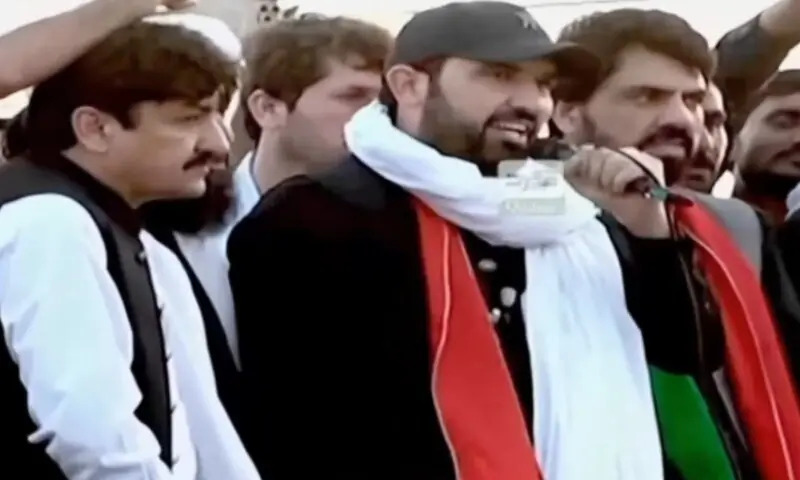
Khyber Pakhtunkhwa Chief Minister Sohail Afridi on Sunday officially launched the Pakistan Tehreek-e-Insaf long march toward Islamabad, initiating proceedings from Gandi Chowk on the Peshawar-Karachi Indus Highway in Lakki Marwat. Arriving via helicopter to lead the procession, Chief Minister Afridi addressed thousands of gathered supporters, declaring that the provincial administration and party rank-and-file would reject any policies perceived as detrimental to the interests of Khyber Pakhtunkhwa and the Pashtun population. The mobilization directly targets the federal government, centering on demands for the release of jailed party founder and former prime minister Imran Khan, alongside his wife and sisters currently held in detention. The march represents a significant escalation in confrontation between the provincial leadership in Peshawar and the federal establishment in Islamabad, setting the stage for prolonged friction along vital national transport corridors.
Commercial & Economic Implications
For Kalyar Traders and the broader business community across Pakistan, the launch of major political long marches carries immediate and severe economic ramifications. The Indus Highway serves as a vital commercial artery connecting major manufacturing hubs in Punjab and Sindh with consumer markets in Khyber Pakhtunkhwa and onward to regional trade routes. Persistent blockades, containerization of thoroughfares, and civil unrest directly disrupt wholesale distribution networks, delay perishable food and industrial raw material shipments, and escalate transportation logistics costs. In retail and wholesale markets, uncertainty translates into speculative price hikes, localized supply shortages, and inflationary pressures on essential commodities. As trade corridors face potential closures, commercial turnover slows down significantly, squeezing profit margins for small and medium enterprises already grappling with high utility tariffs, elevated borrowing costs, and weakened domestic consumer purchasing power.
Related Intelligence: Pakistan Tehreek-e-Insaf Launches Islamabad Long March Amid Economic Uncertainty
Stakeholder Perspectives & Market Reactions
Business councils, chambers of commerce, and trader associations have expressed deep apprehension regarding the resurgence of aggressive street agitation. Representatives from major wholesale markets in Peshawar and Islamabad have reiterated that protracted political deadlocks undermine investor confidence, stall commercial credit expansion, and deter vital foreign direct investment. Legal experts note that the direct confrontation between a provincial chief executive and federal authorities creates a constitutional dilemma that dampens market sentiment further. While PTI loyalists view the march as an indispensable democratic exercise to secure judicial relief and political freedoms for their leadership, corporate stakeholders maintain that uninterrupted economic activity and political compromise remain absolute prerequisites for national financial stabilization and debt sustainability under current IMF program parameters.
Forward Outlook & Key Watchpoints
As the long march progresses northward toward Islamabad, market participants, policymakers, and security analysts are closely monitoring key operational milestones. Critical watchpoints include the government's containment strategies along entry routes to the federal capital, potential invocation of emergency security measures, and the trajectory of negotiations between state institutions and opposition leaders. For financial markets and currency traders, any escalation in street violence or prolonged highway disruptions could trigger downward volatility in domestic equities and sovereign bond valuations. Sustained stability hinges on whether political actors can channel their grievances back into parliamentary and judicial frameworks, thereby averting further economic paralysis and safeguarding fragile commercial supply chains across the country.
Join Our Official WhatsApp Channel
Receive live commodity alerts, policy changes, and commercial intelligence directly on WhatsApp.