
Japan Summons US Envoy Following Okinawa Marine Murder Arrest
Japan summons the US ambassador following a marine's arrest in Okinawa, reigniting long-standing local tensions and diplomatic friction over US military presence.
Geopolitical & Core Developments
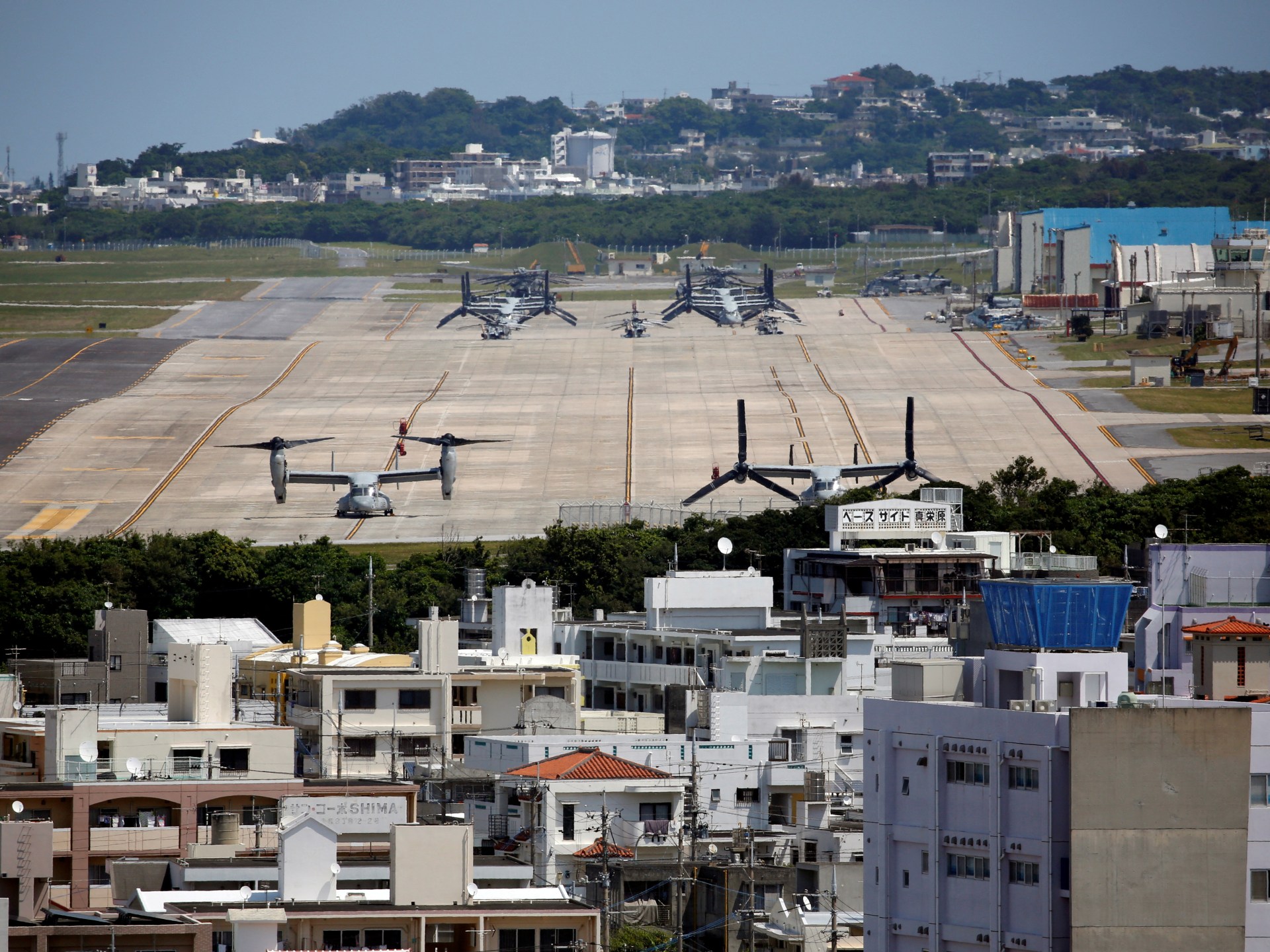
Tokyo has summoned the United States ambassador following the arrest of a United States Marine connected to a homicide investigation in Okinawa. The diplomatic intervention underscores the persistent fragility governing the status of forces agreement and the heavy concentration of American military infrastructure on the strategic island prefecture. Japanese Foreign Minister Kamikawa formally lodged a strong protest, characterizing the incident as deeply regrettable and demanding stringent preventive measures from Washington to safeguard local communities.
The suspect, a member of the US Marine Corps stationed in Okinawa, was detained by local Japanese prefectural police following the discovery of a local resident's body. This development instantly reactivated historical grievances that have festered for decades. Okinawa hosts the vast majority of US military installations in Japan, a deployment justified by Washington and Tokyo as vital for maintaining regional deterrence against escalating security threats from China and North Korea. However, the footprint has continually triggered local friction, centering on crimes, noise pollution, and environmental concerns.
Global Trade & Economic Ripples
While direct disruptions to global supply chains or commodity pricing remain negligible in the immediate aftermath of this diplomatic summons, the incident carries implicit risks for broader economic corridors in the East China Sea. Okinawa sits at a critical geographic juncture near vital maritime shipping lanes traversing the First Island Chain. Any sustained domestic political unrest, massive civil disobedience, or legislative paralysis in Tokyo regarding base hosting could theoretically complicate regional logistics and defense supply chains supporting Indo-Pacific stability.
Furthermore, investor sentiment regarding Japanese sovereign stability and regional security premium is subtly tested during such high-profile diplomatic friction. Although foreign exchange and equity markets have absorbed the news without immediate volatility, sustained friction between Washington and Tokyo over base management could cast a shadow over bilateral trade pacts and joint technology-sharing frameworks essential for semiconductor and defense manufacturing supply security.
Related Intelligence: US Marine Arrested in Okinawa Sparking Fresh Diplomatic Friction
International Reactions & Diplomatic Stances
US Ambassador Rahm Emanuel expressed profound regret and pledged total cooperation with Japanese law enforcement authorities, emphasizing that the United States military holds its personnel to the highest standards of conduct and accountability. Despite these conciliatory assurances from Washington, regional political figures in Okinawa have intensified demands for a fundamental revision of the US-Japan Status of Forces Agreement (SOFA), which critics argue grants excessive jurisdictional protections to American service members.
Multilateral analysts and regional observers note that the timing of the incident is particularly delicate, occurring as Washington and Tokyo deepen trilateral security architecture alongside Seoul to counter regional hegemony. International human rights monitors and legal scholars are closely watching how jurisdictional handovers are managed, noting that previous criminal cases involving US personnel have frequently served as flashpoints for broader debates on national sovereignty versus alliance obligations.
Strategic Outlook & Future Scenarios
Looking ahead, the diplomatic fallout will likely manifest in heightened bilateral negotiations concerning base relocation efforts, specifically the stalled construction of the Henoko facility in Nago. Local political resistance is expected to harden, potentially complicating Governor Denny Tamaki's administrative engagements with the central government in Tokyo.
In the near term, bilateral defense planners will seek to contain the political damage through expedited legal transparency and possible revisions to off-base conduct policies for US service members. However, unless structural reforms are enacted regarding criminal jurisdiction under the SOFA, recurring incidents will continue to threaten the foundational social license underpinning the US military presence in East Asia, presenting a persistent vulnerability for regional security strategies.
Join Our Official WhatsApp Channel
Receive live commodity alerts, policy changes, and commercial intelligence directly on WhatsApp.