
Indian Electoral Crisis Triggers Global Investor Anxiety and Trade Uncertainty
Nationwide demonstrations in India over contested voter roll revisions threaten domestic stability and spark anxiety among international trade partners and global commodity investors.
Geopolitical & Core Developments
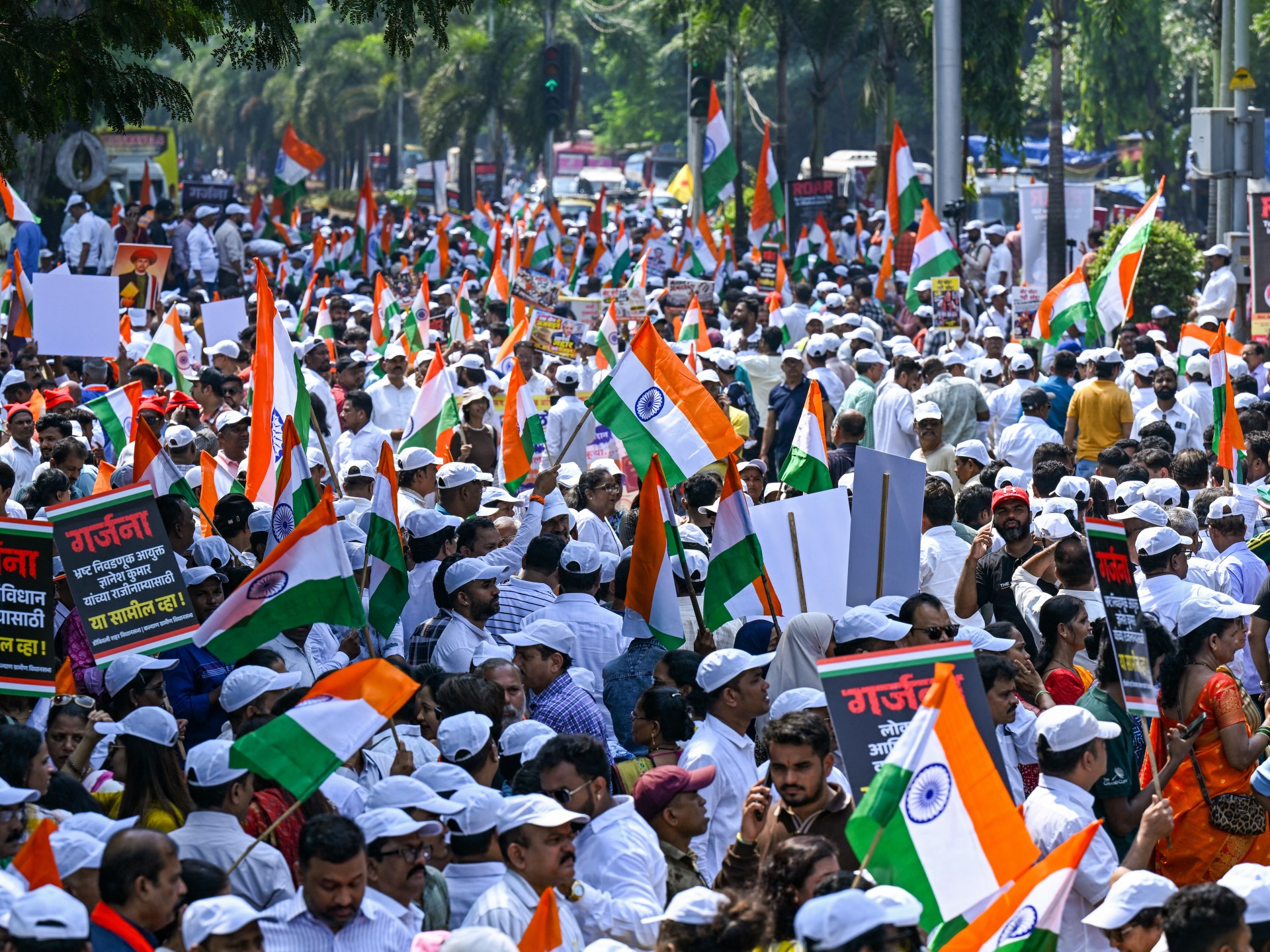
Mass demonstrations demanding the resignation of India's chief election commissioner have entered a third consecutive day, paralyzing major urban centers and underscoring deep political fissures within the world's largest democracy. The unrest stems from contentious voter-roll revisions executed by the election commission, which critics and opposition parties allege have systematically disenfranchised millions of eligible voters to favor Prime Minister Narendra Modi's administration.
The protests have transformed from localized political dissent into a broad-based national crisis, drawing participation from civil society groups, labor unions, and marginalized communities. State security forces have been deployed in high numbers across key metropolitan areas, resulting in clashes and widespread transport disruptions. Diplomatic observers note that the erosion of faith in foundational democratic institutions poses a severe challenge to internal stability, altering the political risk calculus for foreign governments engaging with New Delhi.
Global Trade & Economic Ripples
As a linchpin of South Asian commerce and a critical destination for foreign direct investment, India's internal turmoil has sent ripples through global commodity and financial markets. International institutional investors have begun reassessing their exposure, leading to short-term volatility in Indian rupee valuations and domestic equities. Global supply chain managers, particularly those reliant on India's burgeoning manufacturing, technology, and pharmaceutical sectors, are closely monitoring the security situation for potential logistical bottlenecks.
Energy markets are also factoring in the geopolitical risk premium. India remains the world's third-largest energy consumer, and any prolonged domestic paralysis could impact refining operations, LNG procurement strategies, and broader trade negotiations. Commodity traders dealing in agricultural products, textiles, and base metals are hedging against potential supply disruptions should nationwide strikes escalate further.
Related Intelligence: Russian Strikes on Kyiv Bridges Trigger Renewed Supply Chain Anxieties
International Reactions & Diplomatic Stances
International bodies and Western allies have begun monitoring the situation with cautious concern. While official statements from multilateral organizations emphasize the importance of democratic resilience and the rule of law, foreign ministries in major trade partner capitals are privately assessing the implications for bilateral agreements. Economic analysts from prominent Wall Street firms have issued advisory notes warning clients that prolonged political uncertainty could delay crucial regulatory reforms and infrastructure projects.
Emerging market funds have noted a temporary cooling in investor sentiment, contrasting sharply with the robust economic growth figures previously touted by the administration. Global trade partners stress that institutional transparency remains vital for maintaining foreign capital inflows and sustaining investor confidence in the broader Indo-Pacific economic architecture.
Strategic Outlook & Future Scenarios
Looking ahead, the trajectory of India's political crisis will depend heavily on the election commission's response to mounting pressure and the Supreme Court's willingness to intervene in the electoral roll dispute. Should the protests intensify, the Modi government may face mounting international scrutiny during upcoming multilateral summits, potentially complicating diplomatic engagements with Western democracies that champion democratic norms.
Conversely, a de-escalation mediated through judicial oversight could restore market confidence, though long-term reputational damage to independent institutions may persist. Global stakeholders must prepare for heightened volatility, keeping a close watch on legislative sessions, judicial rulings, and labor union mobilization in the weeks ahead.
Join Our Official WhatsApp Channel
Receive live commodity alerts, policy changes, and commercial intelligence directly on WhatsApp.