
Kosovo Elects Justina Shiroka Pula Amid Deep Political Crisis
Academic and former minister Justina Shiroka Pula has been elected president of Kosovo amid intense street protests and parliamentary gridlock, testing the nation's political resilience and European Union integration path.
Geopolitical & Core Developments
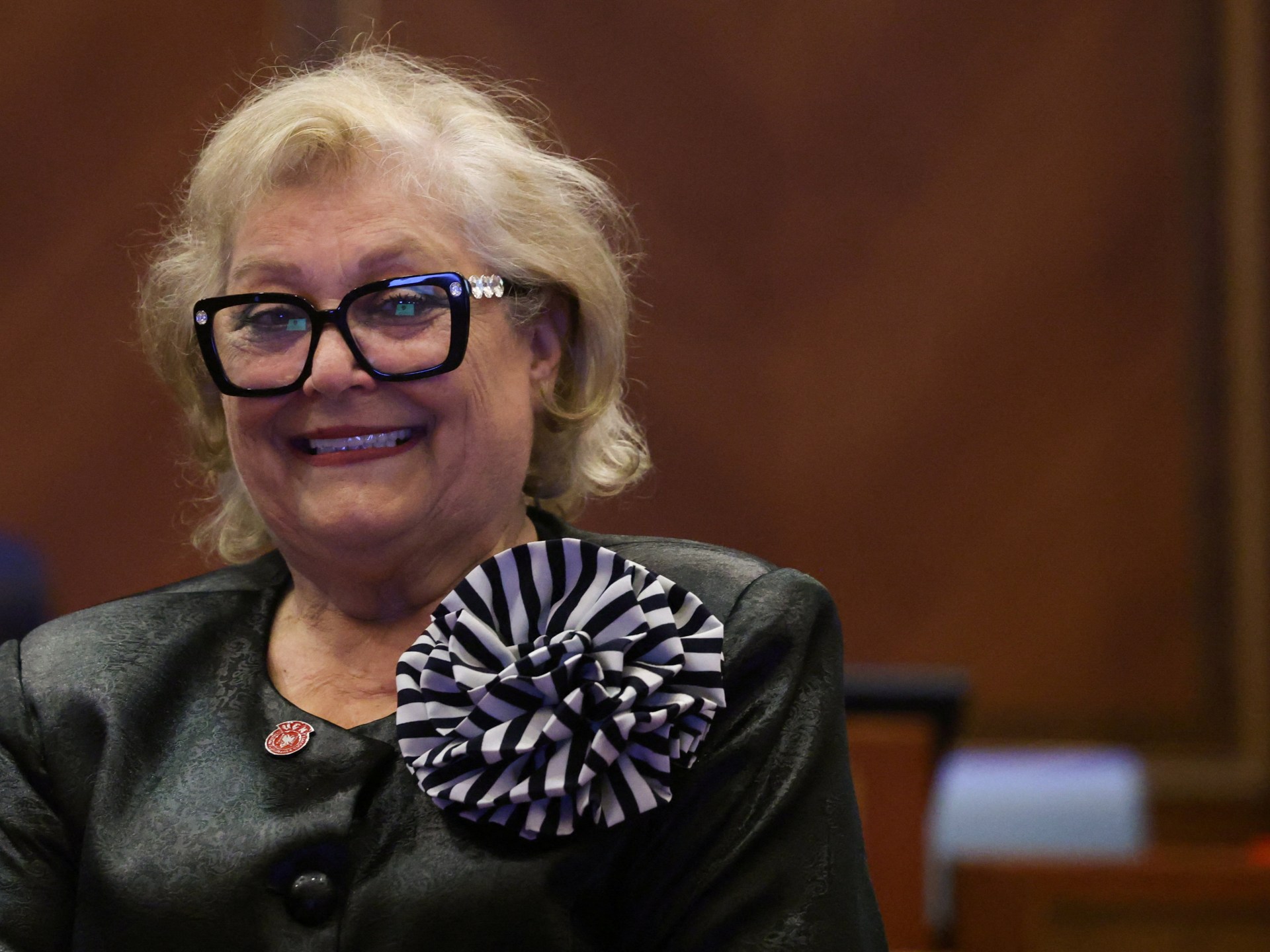
Kosovo's political landscape has entered a volatile new phase following the parliamentary election of Justina Shiroka Pula to the presidency. Pula, a respected academic and former government minister, emerged as a compromise candidate as lawmakers sought to break a paralyzing institutional deadlock that had crippled governance for months. Her ascent to the highest office coincides with widespread civil unrest, as opposition groups and demonstrators took to the streets to protest the opaque backroom negotiations that facilitated the parliamentary vote.
The political crisis underscores deep-seated structural vulnerabilities within Kosovo's governing institutions. State actors and political coalitions faced mounting pressure from Western capitals to resolve the impasse, fearing that prolonged instability could embolden regional adversaries and derail delicate normalization talks with neighboring Serbia. Pula's background as an academic and technocrat was leveraged by ruling parties to project an image of stability and neutrality, yet her legitimacy remains heavily contested by factions demanding early elections and systemic anti-corruption reforms.
[Global Trade](/news/gaza-three-years-destruction-economic-impact-kalyar-traders) & Economic Ripples
While Kosovo is a minor player in global commodity markets, political instability in the Western Balkans carries distinct regional economic implications. Investors and international financial institutions closely monitor the transition, assessing potential risks to foreign direct investment, infrastructure projects, and cross-border trade agreements within the Central European Free Trade Agreement framework.
Energy security and supply chain continuity remain primary concerns for foreign enterprises operating in the region. Although immediate commodity pricing for metals and agricultural goods exported from the broader Balkan corridor has remained stable, prolonged domestic protests and administrative paralysis could delay crucial structural reforms mandated by the European Union. Such delays threaten to stall modernization initiatives in transport networks and energy grids, which are vital for integrating local markets into wider European supply chains and stabilizing currency values across the region.
Related Intelligence: Gaza After Three Years: Economic Devastation and Global Trade Impact
International Reactions & Diplomatic Stances
The international community has responded to Pula's election with cautious pragmatism, balancing the necessity of institutional continuity with concerns over democratic processes. Officials from the European Union and the United States emphasized the urgency of upholding the rule of law, protecting democratic freedoms, and resuming stalled dialogue with Belgrade under EU facilitation.
Multilateral bodies and diplomatic missions in Pristina have urged all political factions to exercise restraint, discouraging violent confrontations and calling for constructive engagement within parliamentary channels. Market analysts note that while Western partners are relieved to see a functioning government installed, international backing is conditional upon Pula's administration demonstrating a credible commitment to anti-corruption measures, judicial independence, and regional reconciliation.
Strategic Outlook & Future Scenarios
Looking ahead, the trajectory of Pula's presidency will depend on her ability to bridge severe ideological divides and restore public trust in state institutions. Upcoming regional summits and EU progress reports will serve as critical benchmarks for evaluating her administration's effectiveness in implementing long-delayed reforms.
Geopolitical escalation points remain centered around northern Kosovo, where ethnic tensions persist. Without decisive leadership and inclusive governance, the administration risks renewed civil unrest and heightened diplomatic friction with Serbia. Conversely, if Pula successfully leverages her technocratic credentials to foster domestic dialogue and accelerate European integration, Kosovo could re-establish a predictable regulatory environment, reassuring international investors and securing long-term economic stability.
Join Our Official WhatsApp Channel
Receive live commodity alerts, policy changes, and commercial intelligence directly on WhatsApp.