
Yemen Education Collapse Threatens Regional Stability and Economic Recovery
Yemen's escalating education crisis leaves over 137,000 students out of school, compounding regional geopolitical risks and threatening long-term economic recovery across critical Middle Eastern trade routes.
Geopolitical & Core Developments
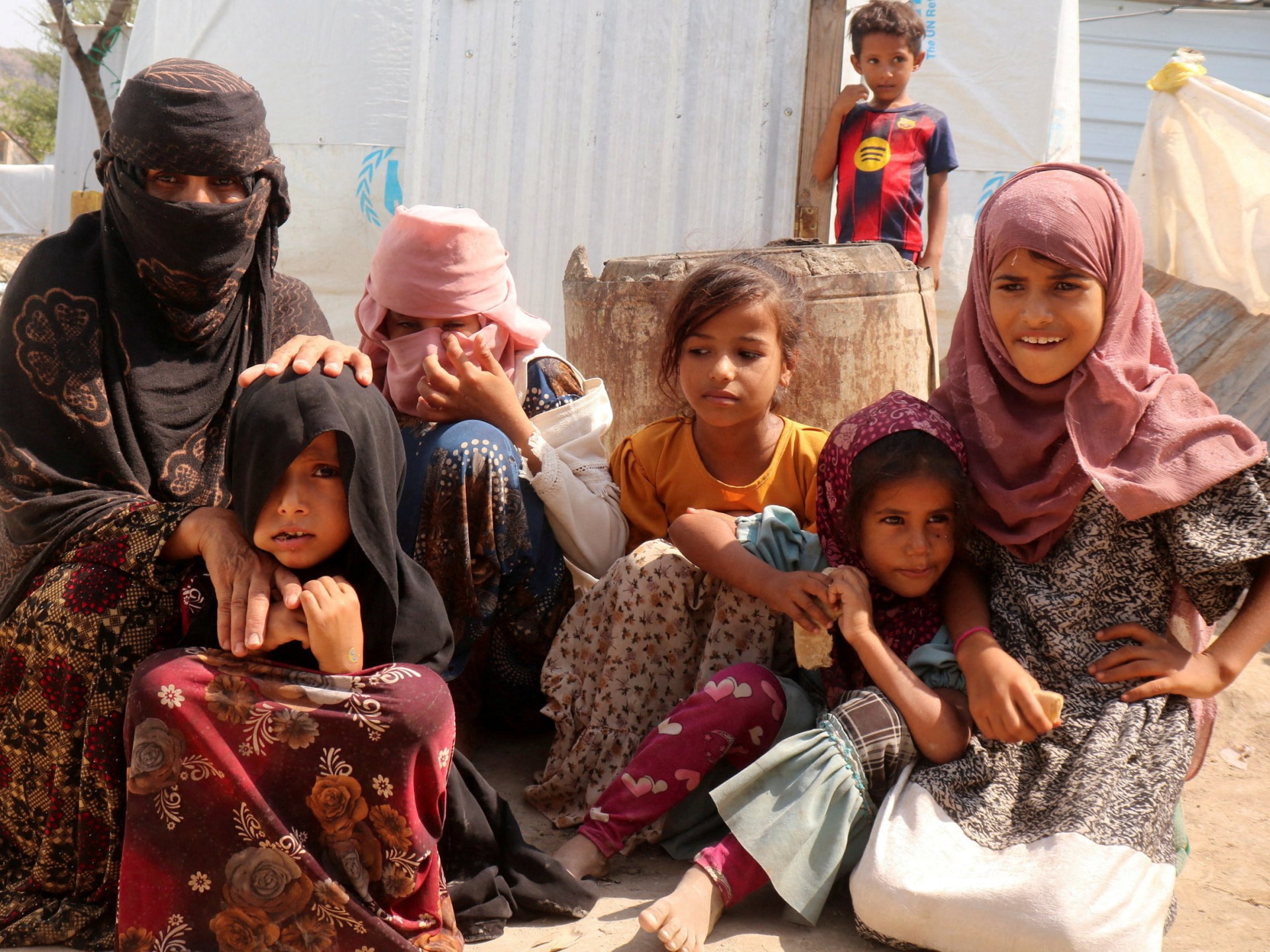
The protracted conflict in Yemen has entered a perilous new phase regarding human capital development, with over 137,000 students across active conflict zones completely stripped of access to formal education. Years of systematic infrastructure degradation, military targeting of civilian facilities, and the collapse of public sector remuneration have paralyzed the nation's schooling apparatus. State actors and localized factions continue to leverage public institutions for strategic positioning, leaving millions of school-aged children displaced and vulnerable to exploitation, radicalization, and forced recruitment. The diplomatic paralysis surrounding the broader peace process has effectively frozen reconstruction initiatives, ensuring that educational facilities remain either occupied, severely damaged, or structurally unsafe for occupancy. This institutional decay threatens to institutionalize a generational deficit that will reverberate across the Arabian Peninsula for decades.
Global Trade & Economic Ripples
While the immediate crisis manifests as a humanitarian tragedy, the erosion of Yemen's societal fabric carries profound implications for global trade and regional economic architecture. Positioned adjacent to the Bab el-Mandeb strait—a vital maritime chokepoint through which a significant portion of global energy supplies and containerized freight transit between the Indian Ocean and the Suez Canal—Yemen's internal instability directly affects international supply chain resilience. Chronic instability fueled by impoverished, uneducated populations increases the vulnerability of critical maritime infrastructure to militant disruption, maritime insurance premiums spikes, and vessel rerouting around the Cape of Good Hope. Furthermore, the absence of a viable domestic labor market and educational framework stifles future economic diversification, trapping the nation in perpetual dependency on foreign aid and undermining multilateral efforts to secure sustainable maritime commerce.
Related Intelligence: Pakistan Warns India's Water Restrictions Threaten Regional Security
International Reactions & Diplomatic Stances
Multilateral bodies and humanitarian organizations have issued urgent warnings regarding the deteriorating situation. The United Nations Children's Fund (UNICEF) and UNESCO have repeatedly condemned the weaponization and neglect of educational infrastructure, noting that international donor fatigue has severely constrained emergency learning programs. Regional powers engaged in diplomatic normalization tracks are under increasing pressure from Western allies to incorporate human capital recovery and teacher salary stabilization into ongoing backchannel negotiations. However, divergent strategic objectives among Gulf states, international sanction regimes, and domestic authorities have hindered the deployment of coordinated financial interventions. Market analysts emphasize that unless international financial institutions and donor governments pivot from short-term humanitarian relief to structural educational investments, the risk of permanent state failure in Yemen will escalate exponentially.
Strategic Outlook & Future Scenarios
Looking ahead, the trajectory of Yemen's education crisis will serve as a bellwether for the broader geopolitical stability of the southern Arabian Peninsula. Upcoming international donor conferences and United Nations Security Council briefings will test the political will of global powers to decouple humanitarian aid from immediate political settlements. Failure to rehabilitate the education sector risks producing a lost generation highly susceptible to extremist ideologies and militant recruitment, directly threatening regional security architectures and shipping lane integrity. Conversely, establishing protected educational corridors and international trust funds for teacher salaries could provide a vital confidence-building measure, paving the way for broader economic stabilization and safeguarding critical global trade routes against future asymmetric shocks.
Join Our Official WhatsApp Channel
Receive live commodity alerts, policy changes, and commercial intelligence directly on WhatsApp.