
Okinawa Governor Demands Tokyo Action Following US Marine Arrest
Okinawa Governor Denny Tamaki has urged decisive action from Tokyo following the arrest of a US Marine for murder, reigniting fierce regional debates over military base sovereignty and bilateral security accords.
Geopolitical & Core Developments
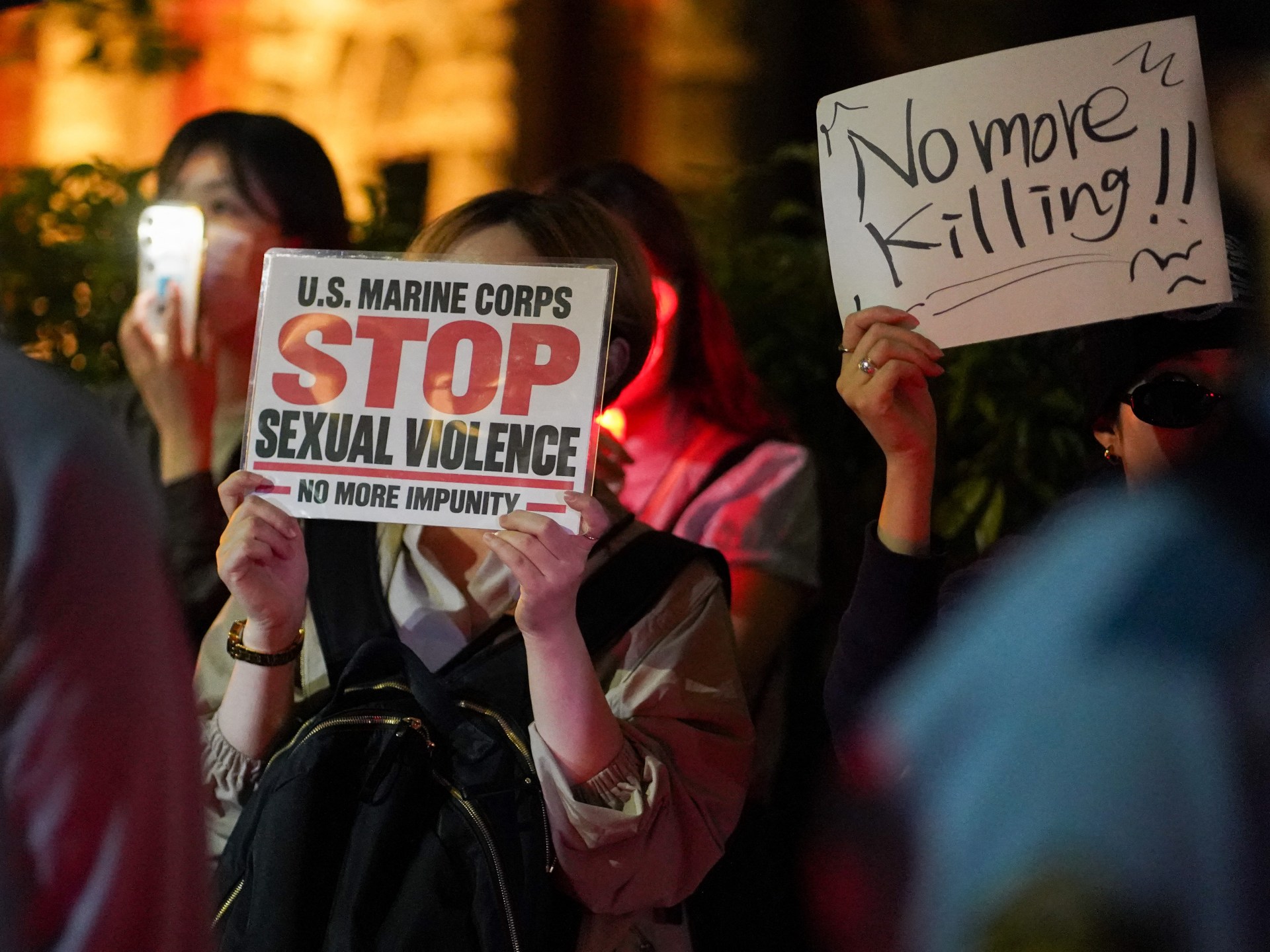
Tensions between local authorities in Okinawa and the central government in Tokyo have escalated sharply following the arrest of US Marine Devin Jacob Ballard on suspicion of strangling 39-year-old Anna Yagi. The tragic event has once again thrust the controversial US military presence in Japan's southernmost prefecture into the center of national and international headlines. Okinawa, which hosts the vast majority of US military installations in Japan despite accounting for a fraction of the nation's total landmass, has long been a flashpoint for friction between local residents and American service members.
Governor Denny Tamaki expressed profound outrage, calling for immediate, stringent preventative measures and a comprehensive review of the status of forces agreement (SOFA) that governs legal jurisdiction over American military personnel. Historically, SOFA provisions have frequently shielded US service members from swift local prosecution, fueling long-standing grievances among Okinawan citizens who bear the socio-environmental burdens of foreign base operations. The diplomatic fallout places Prime Minister's administration in a delicate position, balancing crucial security alliances with the United States against surging domestic unrest and demands for regional sovereignty.
[Global Trade](/news/gaza-three-years-destruction-economic-impact-kalyar-traders) & Economic Ripples
While primarily a social and geopolitical crisis, civil unrest and political friction in strategic maritime chokepoints like Okinawa carry implicit risks for broader Indo-Pacific commerce. Okinawa sits at a crucial geographical nexus in the East China Sea, adjacent to vital shipping lanes utilized by global container fleets and energy tankers transiting between Southeast Asian manufacturing hubs and Northeast Asian consumer markets. Prolonged civil protests, labor disruptions near base perimeters, or heightened security clampdowns can introduce logistical friction into regional supply chains.
Furthermore, investor sentiment regarding Japanese equities and regional infrastructure can experience short-term volatility when geopolitical stability in the Nansei island chain is called into question. Global commodity markets—particularly those sensitive to East Asian stability, such as semiconductor supply chains, refined petroleum products, and bulk freight rates—monitor political frictions closely. Any escalation that threatens the operational readiness or freedom of movement within strategic US-Japanese defense installations introduces risk premiums into maritime insurance and regional trade finance.
Related Intelligence: West Bank Violence Escalates Global Supply Chain and Commodity Risks
International Reactions & Diplomatic Stances
Official responses from Washington and Tokyo have emphasized cooperation and sorrow over the tragedy, yet underlying tensions remain palpable. The United States Indo-Pacific Command pledged full support to local Japanese investigators while maintaining that discipline and adherence to the law are paramount among deployed forces. However, human rights advocates and international legal observers note that recurring criminal incidents involving foreign military personnel continue to erode the moral legitimacy of long-term basing agreements in sovereign host nations.
Multilateral analysts point out that incidents of this nature provide diplomatic leverage for regional competitors who actively criticize bilateral security pacts as infringements on local autonomy. Market analysts at major financial institutions have incorporated these social friction points into sovereign risk assessments for Japan, noting that persistent domestic pushback against military installations complicates long-term defense integration strategies between Washington, Tokyo, and allied regional partners.
Strategic Outlook & Future Scenarios
Looking ahead, the incident is expected to dominate upcoming bilateral security consultations and parliamentary debates in the Diet. Governor Tamaki's administration is likely to push for formal revisions to the bilateral pact governing criminal jurisdiction, a move traditionally resisted by both Washington and Tokyo due to concerns over setting a precedent for other global deployments.
Failure by the central government to address Okinawan grievances adequately could lead to intensified civil disobedience, expanded protests around military facilities, and potential legal challenges to ongoing base relocation projects, such as the contentious construction at Henoko. For international stakeholders, monitoring the political fallout in Okinawa remains essential for evaluating the long-term stability of the security architecture underpinning the world's most dynamic economic corridor.
Join Our Official WhatsApp Channel
Receive live commodity alerts, policy changes, and commercial intelligence directly on WhatsApp.