
Gaza After Three Years: Economic Devastation and Global Trade Impact
Three years after the onset of the Gaza conflict, widespread destruction continues to ripple through global supply chains and commodities markets, drawing profound concern from trade analysts.
The Core Development
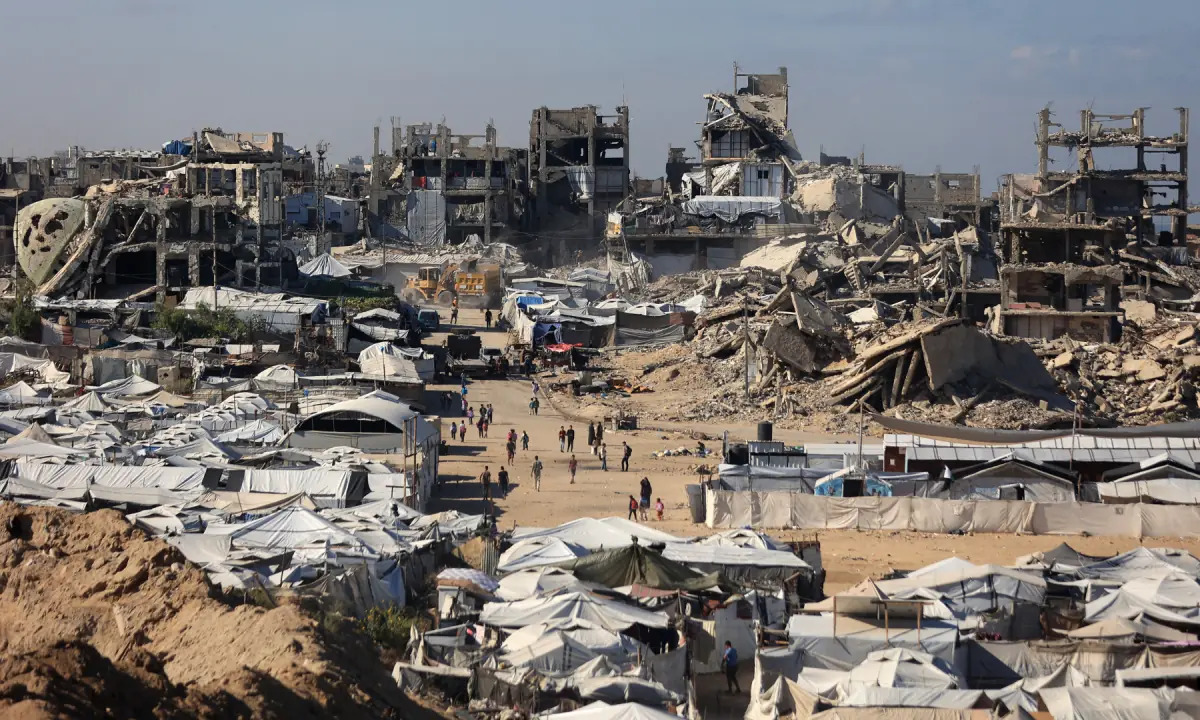
Three years after the Hamas attack of October 7, 2023, which triggered a massive and protracted Israeli military onslaught, the Gaza Strip remains a landscape of catastrophic ruin. Despite a fragile ceasefire that has largely held for nearly a year, deadly localized strikes persist, preventing meaningful stabilization. Entire neighborhoods, hospitals, schools, and essential municipal infrastructure have been flattened or severely compromised, displacing millions of Palestinians who now reside in makeshift camps with severely restricted access to clean water, electricity, and medical care. The physical devastation represents an unprecedented humanitarian and urban crisis, altering the geopolitical and economic topography of the Middle East.
Commercial & Economic Implications
For international commerce and domestic markets across South Asia, the prolonged devastation in Gaza continues to exert indirect yet significant pressures on global supply chains and energy corridors. The ongoing instability in the wider Middle East contributes to volatility in international crude oil prices, freight rates, and marine insurance premiums. For wholesale distributors, retail traders, and manufacturing sectors in Pakistan, these macroeconomic shocks translate into elevated operational costs, inflationary pressures on imported raw materials, and tightened liquidity. The disruption of traditional trade routes through the Red Sea and Suez Canal corridors forces shipping lines into longer, costlier detours around the Cape of Good Hope, directly inflating landed costs for consumer goods and industrial inputs.
Related Intelligence: Three Years of War in Gaza Reshapes Middle East Geopolitics and Global Trade
Stakeholder Perspectives & Market Reactions
Chambers of commerce and trade associations in Pakistan have expressed deep apprehension regarding the persistence of regional geopolitical friction. Industry leaders note that sustained uncertainty in international shipping markets dampens export competitiveness and complicates import planning for seasonal inventories. Financial analysts and commodity brokers urge policymakers to diversify trade partnerships and secure alternative logistics corridors to mitigate exposure to Middle Eastern bottlenecks. Meanwhile, international humanitarian organizations and trade unions continue to advocate for unimpeded access to reconstruction materials, emphasizing that long-term regional economic recovery is inextricably linked to durable political settlements and active rebuilding initiatives.
Forward Outlook & Key Watchpoints
As the region navigates a precarious and fragile ceasefire entering its second year, market participants and policy planners are closely monitoring several critical indicators. Key watchpoints include potential shifts in maritime security protocols in the Red Sea, movements in global petroleum benchmarks, and international donor commitments toward Gaza's eventual reconstruction. For commercial stakeholders in Pakistan, maintaining agile inventory strategies and closely tracking freight rate fluctuations will remain paramount in safeguarding profit margins against ongoing global macroeconomic volatility.
Join Our Official WhatsApp Channel
Receive live commodity alerts, policy changes, and commercial intelligence directly on WhatsApp.