
UN Experts Demand India End Excessive Force Against Protesters
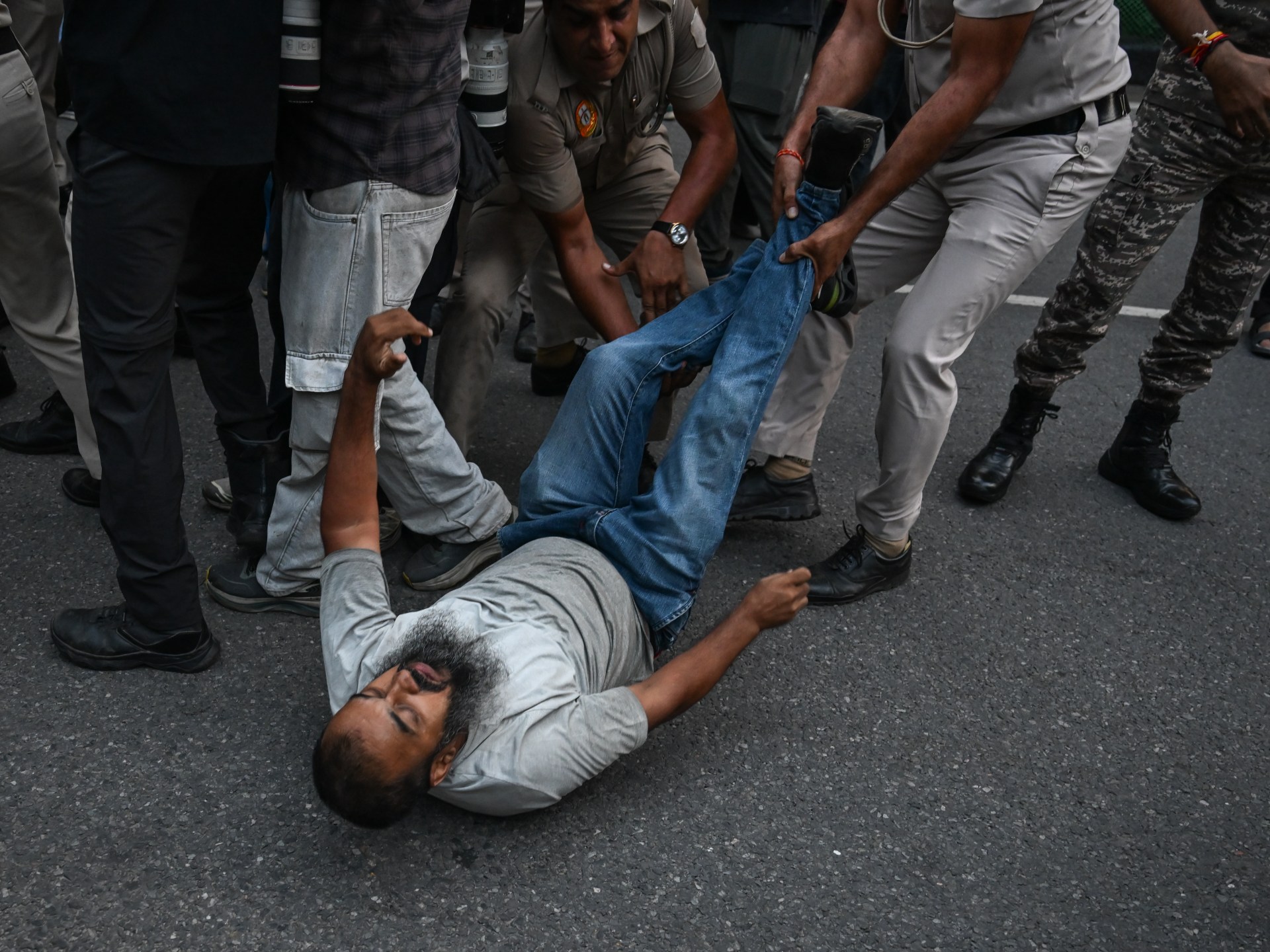
United Nations human rights experts have urged Indian authorities to halt excessive force against civic protesters and demanded an independent investigation into law enforcement conduct.
Geopolitical & Core Developments
A cohort of independent United Nations human rights experts has formally called upon the Government of India to immediately cease deploying disproportionate force against demonstrators. The intervention follows sustained civil friction, agrarian mobilizations, and localized unrest that have met with robust containment strategies by state and federal security apparatuses across key regions of the subcontinent. The rapporteurs highlighted patterns of arbitrary detentions, the deployment of kinetic crowd-control measures, and recurring digital communications blackouts aimed at preempting collective mobilization.
The strategic friction between the federal administration in New Delhi and domestic civil society groups presents a complex challenge for Prime Minister Narendra Modi's administration. As India seeks to solidify its position as an indispensable democratic counterweight in the Indo-Pacific architecture, international scrutiny regarding its domestic human rights record is amplifying. The experts underscored that the right to peaceful assembly and freedom of expression are non-derogable international commitments, calling for an unfettered and independent probe into operational conduct, command accountability, and documented casualties during recent public demonstrations.
[Global Trade](/news/us-midterm-elections-geopolitical-impact-global-trade) & Economic Ripples
While localized public order operations typically register minimal immediate volatility across broader financial markets, structural civil unrest in India carries direct ramifications for industrial logistics and supply chain predictability. Recurrent blockades along critical transport corridors—most notably surrounding the National Capital Region (NCR) and agricultural transit arteries—have historically disrupted freight corridors, delayed bulk agricultural distribution, and generated logistics bottlenecks across manufacturing enclaves.
From a global macro perspective, prolonged internal friction threatens to undermine investor sentiment among multinational corporations actively pursuing 'China-plus-one' diversification strategies. Foreign direct investment (FDI) inflows are sensitive to governance metrics, rule of law assurances, and domestic stability. Persistent domestic confrontation, accompanied by intermittent internet blackouts that impair e-commerce, banking interfaces, and port administration software, risks introducing operational friction into an economy aiming to capture large-scale foreign capital in high-value electronics and heavy machinery sectors.
Related Intelligence: US Midterm Stakes Reshape Geopolitical Outlook and Global Trade Trajectory
International Reactions & Diplomatic Stances
The United Nations mandate-holders, comprising Special Rapporteurs on the rights to peaceful assembly and arbitrary execution, noted with grave concern the reported use of live munitions, heavy water cannons, and tear gas munitions delivered via unmanned aerial vehicles. Their collective communication urged New Delhi to overhaul operational standard operating procedures to align strictly with the UN Basic Principles on the Use of Force and Firearms by Law Enforcement Officials.
New Delhi has consistently dismissed external commentaries regarding its internal security protocols, framing crowd-control measures as sovereign prerogatives mandated to prevent civil disorder, economic sabotage, and public property destruction. External partners, notably Washington and European capitals, navigate a delicate diplomatic posture. While Western administrations prioritize strategic defense and trade ties through bilateral partnerships and the Quad framework, rights-oriented parliamentary factions in Europe and North America have continually pressed for human rights benchmarks to be integrated into pending free trade negotiations with India.
Strategic Outlook & Future Scenarios
In the near to medium term, New Delhi is unlikely to alter its internal security doctrine solely due to UN expert advisory statements, typically maintaining that domestic judicial avenues offer sufficient recourse for grievances. However, persistent confrontations and unresolved socioeconomic cleavages—particularly concerning agricultural reforms, labor regulations, and civil liberties—could elevate domestic operational risk profiles.
The trajectory of this friction will depend significantly on upcoming diplomatic engagements and multilateral forums. As India pursues free trade agreements with the United Kingdom and the European Union, governance, rule of law, and civil assembly provisions may emerge as contentious legislative hurdles during ratification debates. Should domestic crackdowns intensify, international civil society groups are expected to leverage ESG (Environmental, Social, and Governance) compliance frameworks to discourage institutional investment in sovereign and corporate debt instruments.
Join Our Official WhatsApp Channel
Receive live commodity alerts, policy changes, and commercial intelligence directly on WhatsApp.