
Government Raises Petrol and Diesel Prices in Fortnightly Fuel Revision
Pakistan has marginally increased domestic petroleum prices for the upcoming fortnight, raising petrol by Re0.88 and high-speed diesel by Re0.53 per litre amid global market adjustments.
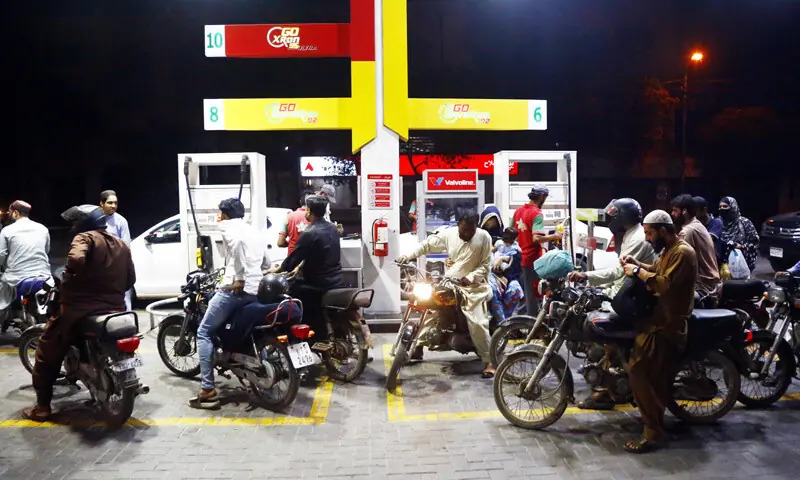
The Core Development
The federal government has revised petroleum product prices upward for the next fortnight, enacting marginal increases across motor gasoline and high-speed diesel (HSD). In an official notification issued following recommendations by the Oil and Gas Regulatory Authority (OGRA) and the Ministry of Energy (Petroleum Division), the ex-depot price of petrol was increased by Re0.88 per litre, while the price of high-speed diesel saw an upward adjustment of Re0.53 per litre.
The price adjustment reflects the government's standard fortnightly review mechanism, which aligns domestic ex-depot tariffs with the international price fluctuations of refined petroleum products and the prevailing exchange rate of the Pakistani Rupee. Under the current structural arrangement, the pricing formula accounts for Free-on-Board (FOB) import parity prices from Platts Singapore, Ocean Freight, domestic demurrage, and regulatory inland freight equalisation margins (IFEM) designed to maintain price parity across administrative territories.
While the quantum of the upward adjustment remains modest compared to the aggressive fiscal corrections witnessed in previous quarters, the revision underlines the state's continued adherence to strict pass-through arrangements mandated under structural adjustment commitments with international financial institutions.
Commercial & Economic Implications
High-speed diesel is the primary lifeblood of Pakistan's heavy-haul commercial transit, inter-city passenger transportation, and agricultural mechanisation. Even fractional adjustments in diesel pricing yield measurable secondary effects across wholesale supply chains and freight logistics. Domestic logistics operators, wholesale distributors, and agro-commodity aggregators operating in rural supply corridors must continuously factor these running-cost shifts into long-distance transit overheads.
Motor gasoline, predominantly consumed by private vehicle owners, two-wheeler fleets, and urban couriers, directly impacts urban disposable incomes and the operational balance sheets of micro-delivery logistics platforms. The cumulative impact on Headline Consumer Price Index (CPI) inflation remains contained given the low base increase; however, wholesale suppliers and intermediate distributors frequently cite fuel revisions as justification for broader administrative margin realignments.
For major commercial trade hubs—such as those operating in Punjab and Sindh—fuel pricing adjustments influence local ex-warehouse freight billing, particularly for high-volume, bulk goods where transit cost represents a notable component of final landed retail costs.
Related Intelligence: France Secures Gulf Diesel Contracts to Counter Escalating Domestic Fuel Crisis
Stakeholder Perspectives & Market Reactions
Commercial trader associations, logistics bodies, and retail trade chambers have responded to the notification with measured concern. While industry leaders acknowledge that the nominal increase of under a rupee per litre prevents immediate freight price shocks, freight associations maintain that consecutive pricing revisions create operational friction in contract negotiations between hauliers and corporate distributors.
Energy sector analysts have observed that the Petroleum Development Levy (PDL) remains a central anchor of non-tax revenue generation for the government. Fiscal policy advisors point out that maintaining regular fortnightly price pass-throughs is vital to preventing the recurrence of circular debt within the downstream petroleum sector and state-owned oil marketing companies.
Agricultural bodies have urged provincial authorities to monitor secondary transport charges ahead of key seasonal harvests, warning that intermediaries often disproportionately inflate farm-to-mandies transit costs following any upward fuel revision, regardless of scale.
Forward Outlook & Key Watchpoints
The near-term trajectory of domestic fuel tariffs remains contingent upon crude benchmark trajectories in the Middle East, refinery margin spreads for finished gasoil, and the macroeconomic stability of the domestic currency against the US Dollar. Any escalation in geopolitical tension or disruptions along primary maritime trade arteries could alter landed petroleum cargo costs substantially in subsequent pricing windows.
Market stakeholders must monitor upcoming fortnightly pricing windows for indications of policy shifts regarding the Petroleum Development Levy ceiling or general sales tax structures on petroleum products. With fiscal authorities focused on meeting revenue performance targets, market participants should anticipate that fuel pricing policy will continue to prioritise revenue preservation and full import parity transmission over administrative consumer subsidisation.
Join Our Official WhatsApp Channel
Receive live commodity alerts, policy changes, and commercial intelligence directly on WhatsApp.