
Kenyan Court Prepares Judgement in Shakahola Doomsday Cult Case
A Kenyan judicial tribunal is delivering its first rulings against cult leader Paul Mackenzie, concluding initial phases of a landmark case involving mass starvation deaths.
Geopolitical & Core Developments
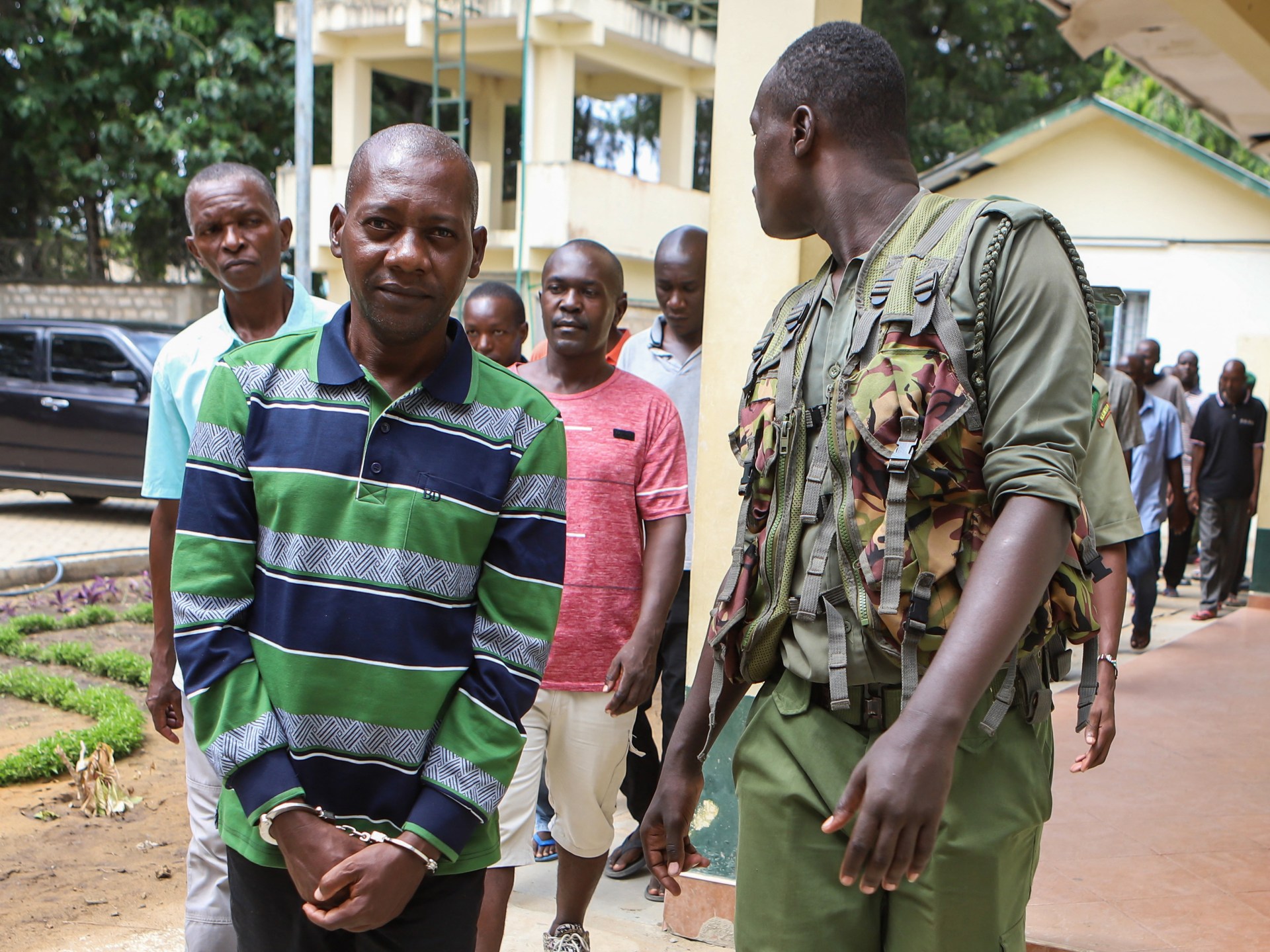
A Kenyan magistrate court in Mombasa is issuing its first significant judgements against Paul Nthenge Mackenzie, a self-styled televangelist accused of orchestrating the deaths of more than 440 people in the coastal Shakahola forest. Mackenzie, founder of the Good News International Church, was arrested in April 2023 after authorities uncovered mass graves containing the bodies of men, women, and children. Prosecutors allege Mackenzie directed his followers to fast to death in order to meet Jesus Christ before an impending apocalypse.
Over the course of an extensive multi-month state investigation, forensic teams exhumed hundreds of remains across Mackenzie's 800-acre property in Kilifi County. Pathological reports confirmed that while the majority of victims succumbed to severe dehydration and starvation, several showed signs of strangulation and blunt-force trauma, prompting additional charges of murder, manslaughter, terrorism, and child cruelty. Mackenzie and dozens of co-defendants have consistently denied the allegations, framing their operations as lawful religious practice protected under Kenya's constitutional framework.
Global Trade & Economic Ripples
While the direct proceedings center on criminal law and religious extremism, the systemic institutional failures exposed by the Shakahola tragedy carry broader economic implications for Kenya, East Africa's primary financial and logistical hub. Investor risk assessments frequently weigh governance standards, institutional responsiveness, and rural security protocols when allocating foreign direct investment into regional infrastructure and agricultural ventures.
The regulatory scrutiny following the case has sparked legislative motions to tighten financial oversight on non-governmental organizations, philanthropic foundations, and faith-based operations. These entities collectively manage significant capital inflows and local banking reserves. Stricter statutory reporting and compliance requirements may affect liquidity transmission channels in rural commercial centers, particularly in coastal counties that interface directly with the Port of Mombasa, the principal maritime gateway for landlocked economies including Uganda, Rwanda, and South Sudan.
Related Intelligence: Spanish Court Clears Path for Catalonia Rebel Leader Puigdemont Return
International Reactions & Diplomatic Stances
Human rights monitoring groups, the United Nations Office on Genocide Prevention, and regional civil society coalitions have monitored the Shakahola proceedings, urging Nairobi to balance robust internal security safeguards with fundamental protections for civil liberties and religious freedom. International observers have highlighted persistent gaps in domestic intelligence-sharing, noting that preliminary warnings regarding Mackenzie's compound went unheeded by regional security councils for several years.
Diplomatic missions in Nairobi representing European and North American partners have quietly emphasized the necessity of judicial transparency and adherence to international fair trial standards throughout the prosecution. Meanwhile, President William Ruto's administration appointed a commission of inquiry to evaluate systemic oversights by the police service and intelligence directorate, though the commission has faced intermittent legal challenges from opposition figures questioning its procedural authority.
Strategic Outlook & Future Scenarios
The immediate judicial outcome will dictate the timeline for the subsequent, higher-tier murder trials scheduled in the High Court. A conviction on terrorism and cruelty charges would establish a significant legal precedent in East Africa for prosecuting non-state ideological groups under statutory anti-terror frameworks rather than conventional criminal codes.
Over the medium term, the case will expedite parliamentary efforts to enact the proposed Religious Organizations Bill, establishing compulsory state registration and financial auditing for all religious congregations. Regionally, the trial is accelerating cross-border intelligence cooperation among East African Community member states, aimed at tracking informal cross-border funding flows and preventing fringe religious movements from exploiting jurisdictional boundaries in peripheral rural territories.
Join Our Official WhatsApp Channel
Receive live commodity alerts, policy changes, and commercial intelligence directly on WhatsApp.