
Exiled Rwandan Dissident Beheaded in Uganda Sparks Regional Security Tensions
The decapitation of exiled Rwandan dissident Robert Kabera in Uganda has triggered acute security concerns across the Great Lakes region, threatening fragile diplomatic ties and transit corridor stability.
Geopolitical & Core Developments
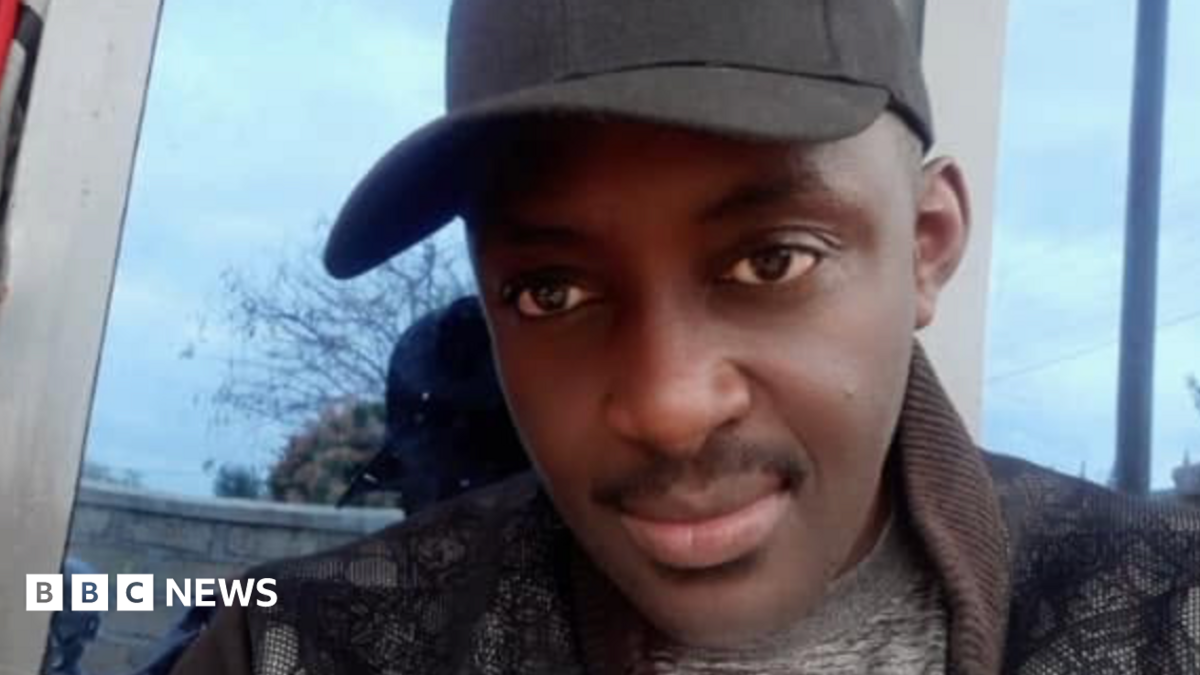
The brutal murder of Robert Kabera, an exiled former Rwandan military sergeant major turned prominent political commentator and musician, has introduced severe diplomatic volatility across East Africa's Great Lakes region. Kabera, known widely by his moniker 'Sergeant Kidumu', was discovered beheaded in Kampala, Uganda, where he had been living under asylum protection following his defection from the Rwanda Defence Force (RDF). Through his widely followed digital broadcasts, Kabera had emerged as an outspoken opponent of Rwandan President Paul Kagame, alleging authoritarian overreach and military suppression.
His killing immediately evokes a pattern of targeted eliminations and extraterritorial violence that has historically shadowed exiled Rwandan political and military dissidents across Africa and abroad. Kampala Metropolitan Police confirmed the initiation of an intensive homicide investigation, while intelligence agencies scrutinize potential cross-border operational footprints. The incident threatens to unravel the delicate rapprochement achieved between Ugandan President Yoweri Museveni and President Kagame following years of bitter border closures, mutual espionage allegations, and proxy tensions that peaked between 2019 and 2022.
Global Trade & Economic Ripples
While the direct shock is diplomatic and political, the commercial ramifications of renewed friction between Rwanda and Uganda are profound for the wider East African Community (EAC). The Northern Corridor, a vital multimodal transit artery linking the Kenyan port of Mombasa through Uganda to landlocked economies including Rwanda, Burundi, and eastern Democratic Republic of the Congo (DRC), relies heavily on unimpeded bilateral transit agreements. Heightened security checks, border friction, or reactionary transit bottlenecks could immediately inflate overland freight costs across the Great Lakes.
Furthermore, the region remains a crucial transit conduit and primary source for critical mineral supply chains, including coltan, cassiterite, and wolframite, as well as agricultural exports such as specialty coffee and tea. Increased political risk premiums along these overland routes threaten corporate logistics, raise cargo insurance rates, and complicate efforts by multinational mining and commodities trading houses operating out of East and Central Africa to guarantee reliable delivery schedules to European and Asian manufacturing hubs.
Related Intelligence: French Unrest Triggers Supply Chain Jitters Amid European Economic Disruption
International Reactions & Diplomatic Stances
Human rights organizations, including Amnesty International and Human Rights Watch, have called for an immediate, independent, and transparent investigation into Kabera's death. Independent watchdogs have repeatedly warned Western capitals—primarily Washington, London, and Brussels—regarding the systematic harassment, forced disappearances, and physical elimination of Rwandan dissidents residing abroad.
The United Nations High Commissioner for Refugees (UNHCR) expressed grave concern over the safety of asylum seekers in host nations across Central Africa, underscoring the legal obligation of host states under the 1951 Refugee Convention to ensure physical security for registered exiles. Meanwhile, official diplomatic communication from Kigali maintained strict distance, consistently dismissing external accusations regarding state-directed assassinations as politically motivated propaganda.
Strategic Outlook & Future Scenarios
The trajectory of regional diplomacy over the coming months hinges on the findings of Ugandan investigative agencies and the degree of restraint demonstrated by both state capitals. Should Ugandan authorities uncover verifiable evidence tying foreign security elements to Kabera's murder on Ugandan soil, diplomatic relations will face immediate deterioration, potentially triggering reciprocal expulsions of diplomatic staff and renewed cross-border trade restrictions.
Moreover, the geopolitical fallout coincides with protracted regional tensions involving Rwandan operations in eastern DRC, where M23 rebel movements have already strained relations between Kigali, Kinshasa, and southern African defense partners under SADC. Any secondary deterioration in Uganda-Rwanda intelligence cooperation will inevitably destabilize broader regional pacification mechanisms, complicate upcoming EAC summits, and expose multinational supply chains reliant on stable transit infrastructure to renewed structural vulnerabilities.
Join Our Official WhatsApp Channel
Receive live commodity alerts, policy changes, and commercial intelligence directly on WhatsApp.