
Israeli Raid in Southern Syria Kills Civilian, Escalating Regional Border Tensions
An Israeli military cross-border operation in Syria's western Deraa province resulted in the death of a disabled civilian, amplifying regional security friction and supply chain concerns.
Geopolitical & Core Developments
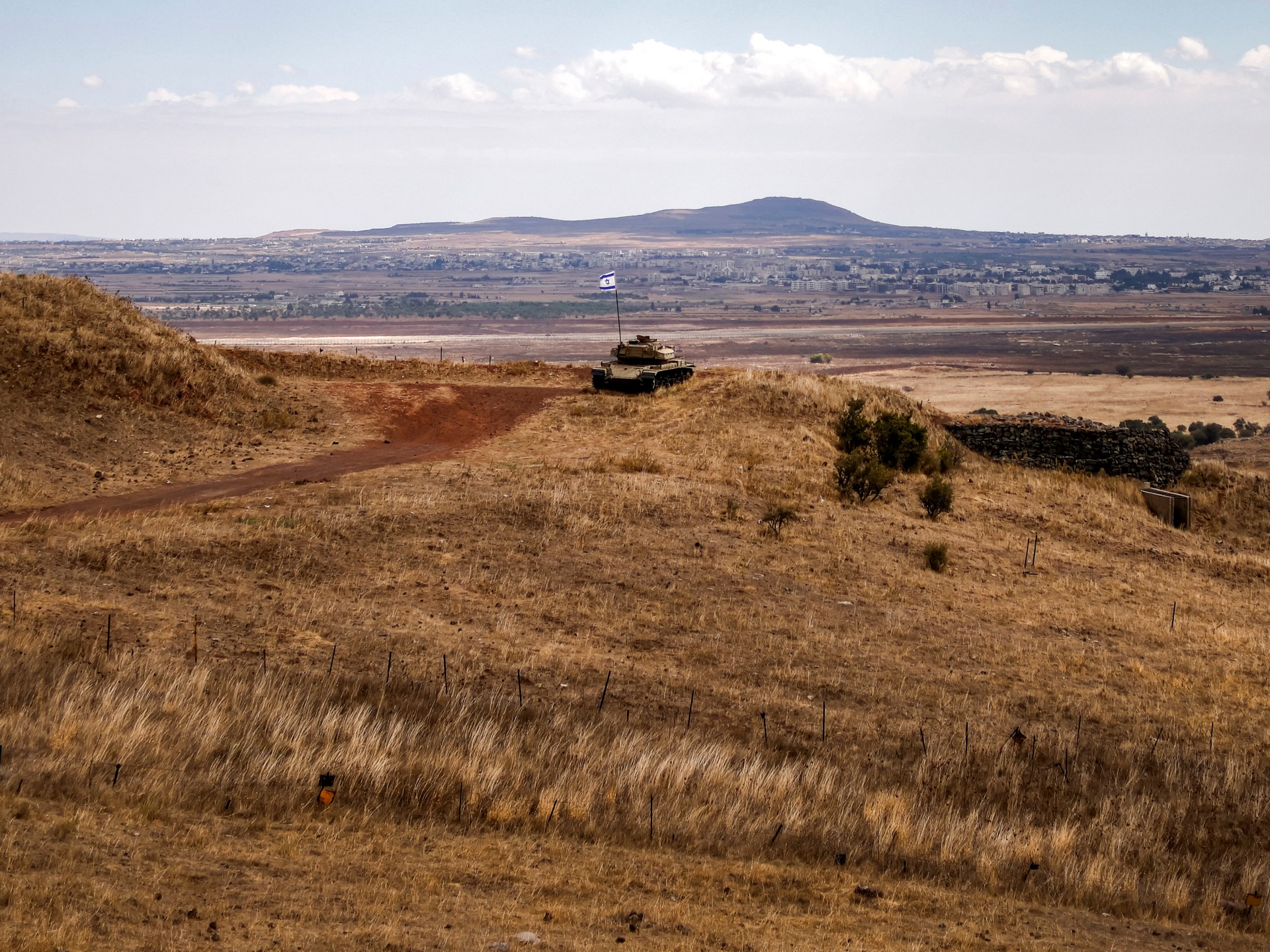
Tensions along the demilitarized frontier between Syria and the Israeli-occupied Golan Heights intensified sharply following reports from Syrian state media that Israeli ground forces conducted a targeted raid into the western countryside of Deraa, resulting in the death of an unarmed civilian with disabilities. According to the state news agency SANA, the fatal incident occurred in the village of Jamla, situated near the sensitive Yarmouk River basin. Local sources indicated that an infantry detachment advanced past the United Nations-monitored separation buffer before engaging the civilian, drawing widespread outrage across the region.
The ground incursion reflects an evolving tactical doctrine by the Israel Defense Forces (IDF), which has historically relied on precision standoff airstrikes to neutralize suspected Iranian-linked logistics corridors and Hezbollah assets inside Syrian territory. Direct ground operations east of the 1974 disengagement lines remain rare and politically volatile. Analysts observe that following structural changes across southern Syria and the repositioning of government garrisons, Israeli military planners have increasingly prioritized forward-reconnaissance and active area-denial missions along the border periphery to forestall hostile reconnaissance and militia entrenchment.
Global Trade & Economic Ripples
While the tactical operation in Deraa did not immediately halt commercial physical infrastructure, the expanding geographic scope of localized engagements continues to introduce volatility into broader Middle Eastern trade lanes. Energy markets closely monitor flashpoints capable of pulling regional state actors into direct confrontation. Crude benchmarks, including Brent and West Texas Intermediate, retain an underlying geopolitical risk premium as market participants hedge against potential disruption to regional maritime choke points and crude transit hubs.
Furthermore, heightened security friction along the Syrian-Jordanian frontier threatens regional logistics networks. Land trade corridors passing through the Nasib border crossing south of Deraa represent critical arteries for agricultural exports, construction materials, and commercial cargo linking the Levant to Gulf Cooperation Council (GCC) markets. Re-escalation in Deraa disrupts intra-regional freight insurance pricing, raises haulage demurrage costs, and reinforces persistent friction along vital overland trade corridors.
Related Intelligence: High-Stakes Israeli Election Threatens Middle East Trade Corridors and Energy Stability
International Reactions & Diplomatic Stances
The Syrian Ministry of Foreign Affairs condemned the incursion as a flagrant violation of national sovereignty and international humanitarian law, calling upon the United Nations Security Council to implement punitive mechanisms against recurrent border violations. Syrian officials stressed that the targeted individual posed zero military threat, framing the action as part of an aggressive pattern of destabilization.
Regional diplomats have urged restraint, warning that micro-escalations along fragile frontier zones could collapse existing de-confliction understandings. Observers from the United Nations Disengagement Observer Force (UNDOF) have reiterated the imperative of upholding the 1974 Agreement on Disengagement, cautioning that tactical breaches heighten miscalculation risks. Meanwhile, Western capitals maintained calls for regional containment, balancing stated commitments to Israeli security perimeter enforcement against concerns over mounting civilian casualties and violations of international norms.
Strategic Outlook & Future Scenarios
The strategic environment surrounding southwestern Syria remains on a knife-edge. Moving forward, the trajectory of the Deraa sector will hinge heavily on whether Israeli forces formalize regular ground incursions to establish a de facto security buffer, or revert to airborne interdiction. Any institutionalization of cross-border ground operations risks provoking asymmetric retaliatory responses from local armed factions, further destabilizing southern Syrian governance structures.
In the medium term, diplomatic efforts will likely center on upcoming United Nations briefings regarding UNDOF mandate compliance and broader multilateral discussions concerning regional stability. If local border flashpoints continue unmitigated, elevated geopolitical insurance rates and trade-route caution will persist across Eastern Mediterranean transport corridors, compounding the economic challenges confronting post-conflict reconstruction and regional supply chain integration.
Join Our Official WhatsApp Channel
Receive live commodity alerts, policy changes, and commercial intelligence directly on WhatsApp.