
Federal Constitutional Court Disposes of Plea Challenging KP Chief Minister Election
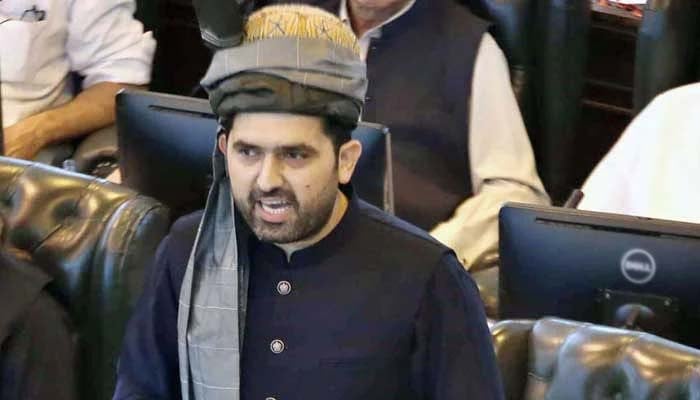
The Federal Constitutional Court has disposed of MNA Sher Afzal Marwat's legal petition challenging Sohail Afridi's election as Khyber Pakhtunkhwa Chief Minister, resolving high-stakes executive uncertainty in the province.
The Core Development
In a consequential judicial ruling, the Federal Constitutional Court in Islamabad on Thursday officially disposed of a petition filed by Member of the National Assembly (MNA) Sher Afzal Marwat challenging the election and subsequent appointment of Sohail Afridi as the Chief Minister of Khyber Pakhtunkhwa. The petition had questioned the legal mechanics and constitutional validity surrounding the parliamentary voting process that installed the provincial chief executive.
The proceedings, presided over by the apex constitutional bench, evaluated the procedural legitimacy of the legislative assembly's electoral exercise. Following extensive deliberations on constitutional jurisdictions, procedural timelines, and the competence of the plea under prevailing legal frameworks, the bench brought an end to the petition. This judicial closure provides critical operational certainty to the provincial executive administration in Peshawar, which has been contending with intense legal battles alongside partisan rivalries.
Commercial & Economic Implications
For Khyber Pakhtunkhwa and the broader national economy, constitutional challenges to the provincial executive carry severe fiscal ramifications. Governance deadlocks often jeopardize statutory project approvals, provincial annual development plans, and vital public procurement processes. The disposal of this plea provides critical policy stability for local infrastructure outlays and municipal contracts, ensuring commercial distributions proceed without sudden administrative disruptions.
Khyber Pakhtunkhwa functions as the primary geographical gateway for trade transit into Afghanistan and Central Asian republics via the Torkham and Ghulam Khan borders. Executive instability routinely manifests as delays in customs facilitation, logistics security, and industrial resource allocations. With the constitutional court removing immediate leadership jeopardy, provincial agencies can execute commercial policies, oversee local tax collections, and manage supply chain corridors that affect fast-moving consumer goods, wholesale grain distribution, and heavy industrial freight traversing northern transport arteries.
Related Intelligence: Mexican Court Dismisses Case Against Official Over Fatal Migrant Fire
Stakeholder Perspectives & Market Reactions
Market observers, legal scholars, and merchant associations in Peshawar and Rawalpindi have noted the ruling with measured confidence. Legal analysts highlighted that judicial intervention into legislative leadership matters must maintain a high threshold to prevent continuous governance friction. By disposing of the petition, the court reaffirmed institutional boundaries regarding parliamentary electoral processes.
Trade bodies, including representatives from regional chambers of commerce, expressed relief over the mitigation of governance limbo. Prolonged litigation regarding executive authority often stalls dialogue between commercial chambers and provincial revenue authorities concerning local levies, infrastructure upkeep, and trade subsidies. The confirmation of institutional authority allows corporate entities and commercial distributors to interface with established ministries rather than navigating interim bureaucracies.
Forward Outlook & Key Watchpoints
With the judicial challenge disposed of, the provincial government under Sohail Afridi faces the imperative of immediate policy delivery. Key watchpoints over the coming quarters include the execution of the provincial development pipeline, structural engagements with the federal government on fiscal transfers under the National Finance Commission framework, and the stabilization of internal security expenditures.
Market participants will closely monitor whether the opposition pursues alternative review routes or legislative motions within the Khyber Pakhtunkhwa Assembly. For the commercial sector, policy consistency across transit corridors, regulatory compliance protocols, and trade taxation mechanisms will remain the ultimate litmus test of institutional stability in the region.
Join Our Official WhatsApp Channel
Receive live commodity alerts, policy changes, and commercial intelligence directly on WhatsApp.