
Israel Halts Commercial Cargo to Gaza Amid Cross-Border Tax Dispute
Israel has suspended commercial imports into the Gaza Strip, citing revenue collection by Hamas, disrupting critical regional logistics and exacerbating an acute humanitarian supply crisis.
Geopolitical & Core Developments
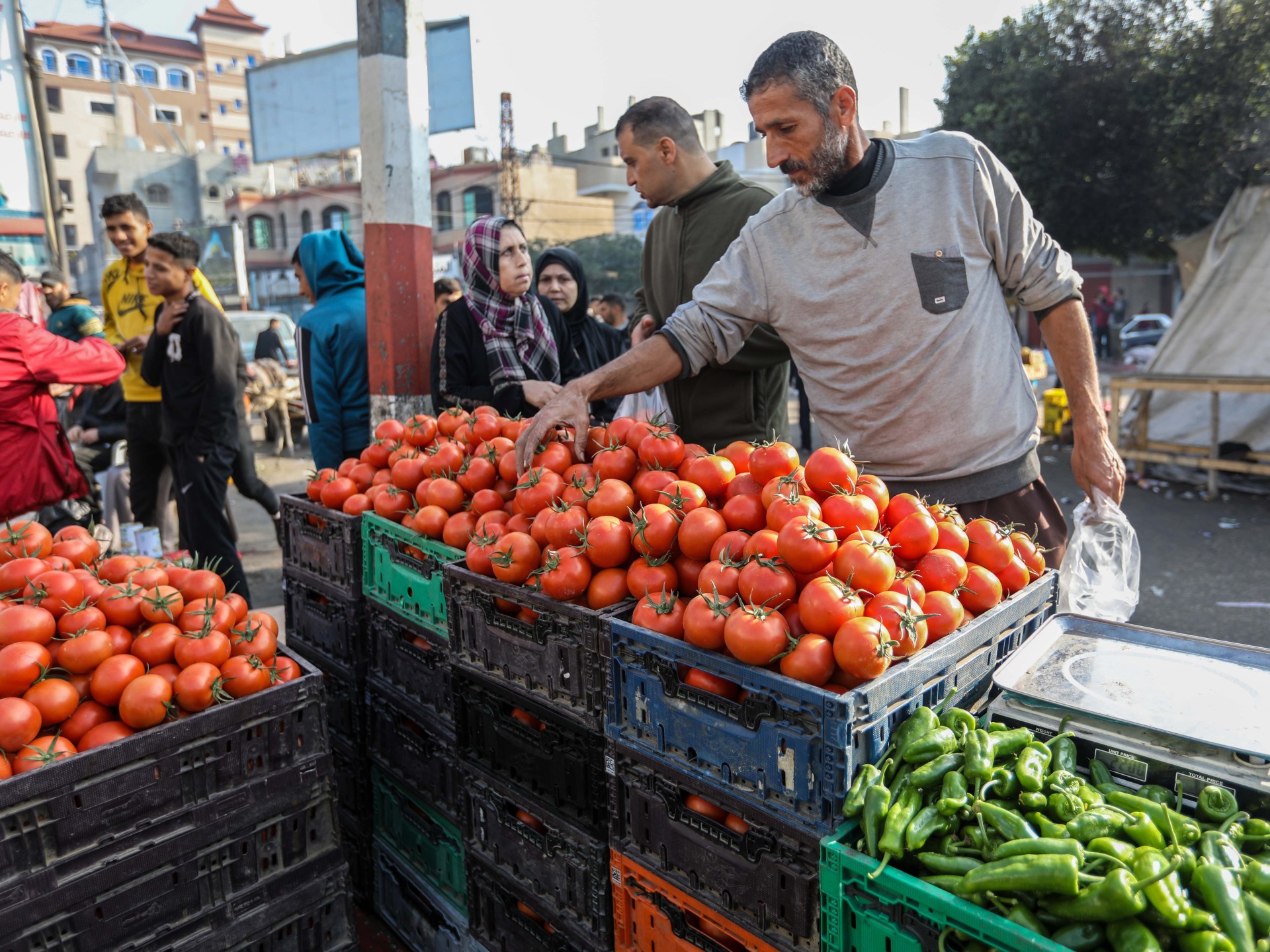
Israeli authorities have ordered a blanket suspension on the transit of commercial goods entering the Gaza Strip through southern border crossings. The restriction specifically targets private sector consignments—including fresh produce, fruit, essential foodstuffs, and shipments of winter clothing—which had previously supplemented severely rationed humanitarian aid convoys.
Defense officials in Tel Aviv justified the interdiction by alleging that Hamas systematically diverts fiscal resources by imposing unauthorized customs duties and security fees on merchant trucks crossing into the territory. Hamas leadership swiftly refuted these allegations, characterizing the measure as collective economic punishment designed to weaponize commerce and accelerate civilian deprivation. The suspension marks a critical deterioration in cross-border logistics, directly affecting merchant channels that maintained minimal market liquidity and supplied civilian markets in central and southern Gaza.
[Global Trade](/news/us-midterm-voter-discontent-signals-global-trade-shifts) & Economic Ripples
While localized to the Levantine theater, the suspension introduces new friction points into regional procurement pipelines. Regional suppliers in Egypt, Jordan, and the West Bank, who furnish commercial produce and textile inventories under fragile export arrangements, now face immediate cancellation of orders, cargo spoilage, and substantial financial losses.
From a logistics standpoint, the cessation of commercial flows transfers total provisioning responsibility back onto multilateral organizations and direct aid conduits. The redirection of demand toward contracted United Nations agencies has heightened freight premiums and insurance surcharges for commercial haulers operating along Mediterranean supply corridors. Furthermore, cross-border freight operators must absorb dead freight costs as transport fleets remain stalled at transit terminals. For global agricultural and textile distributors with regional distribution hubs in Amman and Cairo, prolonged interdictions risk eroding secondary supply chains and entrenching volatility across Middle Eastern inland transport rates.
Related Intelligence: US Midterm Voter Discontent Signals Major Shifts for Global Trade Policy
International Reactions & Diplomatic Stances
Multilateral institutions and international aid agencies have voiced immediate alarm over the cessation of commercial flows. United Nations relief officials emphasized that commercial imports represent an indispensable counterbalance to institutional food aid, warning that their indefinite halt will expedite famine conditions across vulnerable population sectors.
Diplomatic representatives from the European Union and regional mediators, notably Qatar and Egypt, have renewed appeals for unhindered supply corridors. Western diplomats have urged Israeli authorities to institute rigorous verification mechanisms rather than imposing outright embargoes on vital civilian commodities. Meanwhile, humanitarian watchdogs underscored that seasonal shifts toward colder winter temperatures make clothing and energy supplies urgent imperatives, arguing that administrative allegations must not supersede civilian protections under international humanitarian law.
Strategic Outlook & Future Scenarios
The trajectory of this suspension hinges on parallel diplomatic engagements regarding border security protocols and hostage negotiations. Should Israeli authorities maintain the blockade on private shipments, international bodies will face mounting operational strain, requiring accelerated logistical intervention through the maritime corridor or alternative airdrop programs, both of which demonstrate significantly lower volume efficiency than overland trucking.
In the medium term, sustained disruption risks triggering hyperinflation inside Gaza’s informal markets, accompanied by severe secondary price shocks for staple commodities across regional transit hubs. Unless an internationally monitored oversight mechanism is established to audit commercial transit manifests and quell transit tax disputes, cross-border commerce will remain an unstable vector of the wider regional conflict.
Join Our Official WhatsApp Channel
Receive live commodity alerts, policy changes, and commercial intelligence directly on WhatsApp.