
China and North Korea Open Crucial Yalu River Border Crossing
China and North Korea have formally operationalized the New Yalu River Bridge, expanding terrestrial transport links and signaling deeper economic integration amid mounting Western sanctions scrutiny.
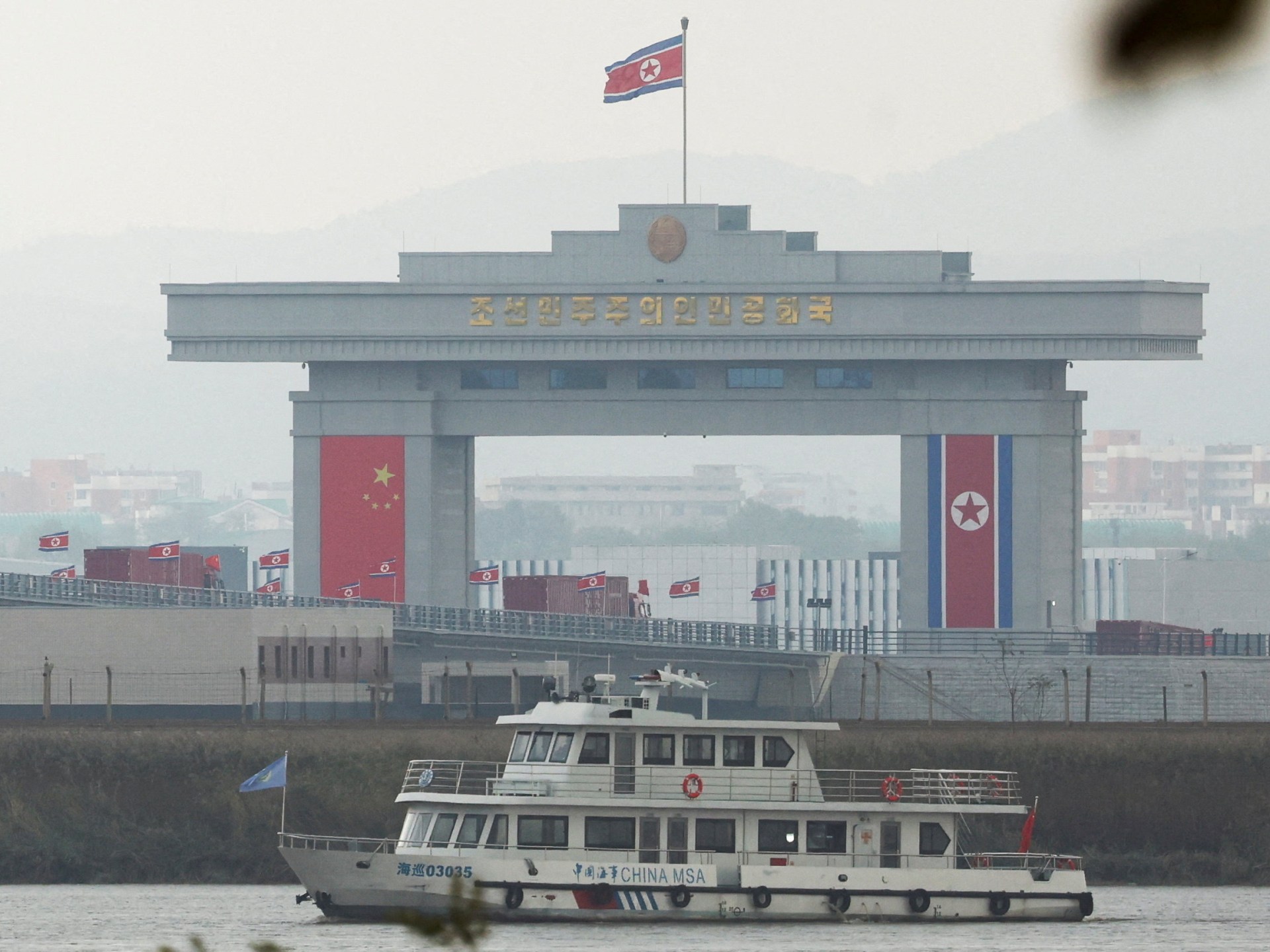
Geopolitical & Core Developments
The formal operationalization of the New Yalu River Bridge, connecting the northeastern Chinese trade hub of Dandong with Sinuiju in North Korea, marks a pivotal development in Northeast Asian relations. Completed nearly a decade ago but long delayed due to geopolitical friction, customs infrastructure deficiencies, and pandemic-era border restrictions, the four-lane suspension span substantially modernizes the overland logistical artery between the two nations.
State actors on both sides have framed the milestone as a natural progression of bilateral cooperation. For Pyongyang, securing an upgraded, high-volume transit route to its primary economic partner is essential for stabilizing domestic industrial throughput and acquiring critical non-embargoed inputs. For Beijing, the bridge reinforces its geopolitical influence over the Korean Peninsula while revitalizing Liaoning province's border economy, demonstrating that China remains North Korea's indispensable economic lifeline despite persistent United Nations sanctions regimes.
Global Trade & Economic Ripples
The activation of the corridor is set to reshape local and regional cross-border commerce. Prior to the bridge's opening, cross-border road freight relied on the aging, single-lane Sino-Korean Friendship Bridge, which severely bottlenecked heavy vehicle movements and bulk commodity transfers. The new infrastructure facilitates higher throughput for essential goods, including fertilizers, heavy construction machinery, consumer items, and agricultural commodities.
While direct trade remains constrained by UN Security Council sanctions targeting North Korea's mineral, metallurgical, and fuel sectors, the upgraded infrastructure facilitates more efficient bilateral logistics, reducing turnaround times and freight demurrage costs. Furthermore, expanded commercial clearance capacity could stimulate demand for regional agricultural products and light manufactured goods, while indirectly lowering transaction costs for dual-use logistical operations. Financial analysts also note the strategic move encourages expanded settlements denominated in Chinese yuan, further marginalizing the US dollar in bilateral frontier commerce.
Related Intelligence: China and North Korea Open Strategic Yalu River Border Bridge
International Reactions & Diplomatic Stances
The infrastructure opening has triggered sharp divergence among international stakeholders. Western capitals, led by Washington and Seoul, have monitored the development with caution, highlighting risks of sanctions circumvention. Diplomats from G7 member states have urged Beijing to maintain stringent inspection protocols at Dandong customs checkpoints, particularly regarding interdicted goods, energy transfers, and dual-use technological equipment that could support Pyongyang's defense manufacturing apparatus.
Conversely, officials in Beijing have defended the opening as standard commercial infrastructure intended to benefit ordinary citizens and regional socioeconomic stability. China's Foreign Ministry reaffirmed its support for normal humanitarian and legitimate trade exchanges, calling on foreign governments to refrain from politicizing civil infrastructure. Multilateral observers note that the operational bridge arrives amid broader realignments, including strengthening defense and economic pacts between North Korea and Russia, signaling an increasingly coordinated resistance to Western-led embargoes.
Strategic Outlook & Future Scenarios
Moving forward, the primary trajectory points toward steady, calculated expansion of cross-border overland traffic, accompanied by modernized automated customs facilities at Sinuiju. If trade volumes scale without major regulatory enforcement incidents, Dandong could reassert its position as the preeminent transit hub for North Korean economic engagement.
However, several geopolitical escalation points remain active. Increased scrutiny from United States and European financial regulators over Chinese financial institutions facilitating cross-border border trade could generate secondary sanctions enforcement. Furthermore, if cross-border logistics coincide with heightened weapons testing or closer trilateral coordination between Moscow, Pyongyang, and Beijing, the New Yalu River corridor may emerge as a central focal point of Western surveillance and multilateral diplomatic debate.
Join Our Official WhatsApp Channel
Receive live commodity alerts, policy changes, and commercial intelligence directly on WhatsApp.