
Iran Delivers Ceasefire and Diplomatic Terms to US via Qatar Mediation
Tehran has transmitted explicit terms to Washington through Qatari intermediaries to halt regional hostilities and restart negotiations, leaving diplomatic momentum hinged on the incoming Trump administration's strategic response.
Geopolitical & Core Developments
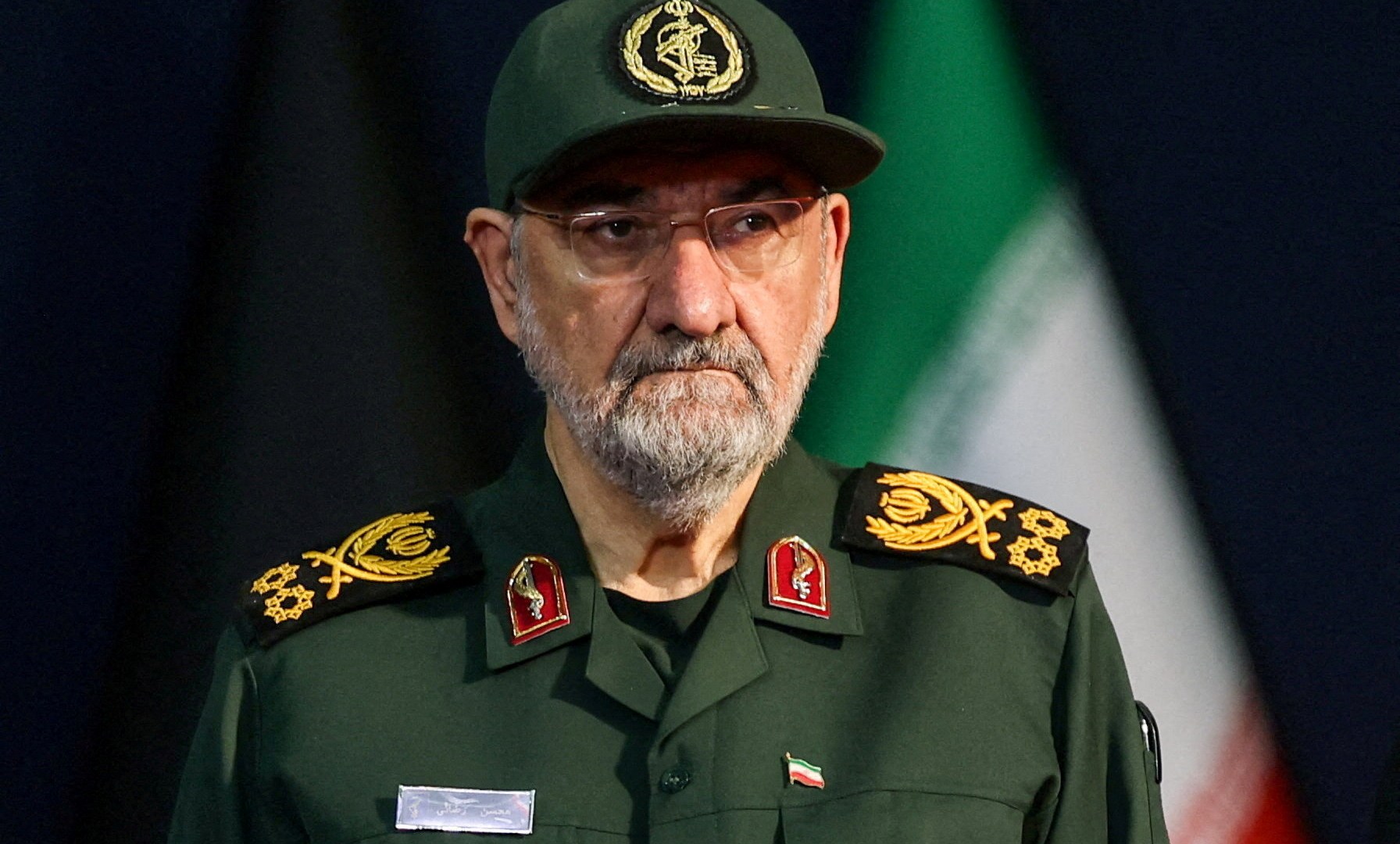
Tehran has formally transmitted a detailed framework of conditions to the United States aimed at de-escalating regional conflict and restarting diplomatic engagement, leveraging Doha as a neutral conduit. Mohsen Rezaei, secretary of Iran’s Supreme National Security Council, confirmed the diplomatic initiative in an interview with Al Jazeera, noting that the Iranian leadership is currently awaiting a strategic response from President Donald Trump.
This overture represents a consequential development in Middle Eastern diplomacy following months of direct military exchanges, heightened proxy confrontation, and expanding frontlines across the Levant and the Gulf. Qatar, which has repeatedly brokered sensitive indirect negotiations between Washington and Tehran—including high-profile prisoner swaps and financial releases—once again serves as the primary diplomatic bridge. The core framework submitted by Tehran reportedly outlines security guarantees, sanctions relief parameters, and reciprocal military stand-down clauses designed to arrest further kinetic escalation.
Global Trade & Economic Ripples
The prospect of renewed diplomatic channels between Washington and Tehran has registered immediate effects across international commodity trading desks and maritime logistics networks. Global crude oil benchmarks, notably Brent and West Texas Intermediate, experienced immediate volatility moderation, reflecting a potential reduction in the geopolitical risk premium that has shadowed Gulf oil supplies.
The energy sector remains uniquely exposed to the trajectory of these indirect exchanges. More than twenty percent of global petroleum consumption traverses the strategic Strait of Hormuz; any negotiated cooling of regional hostilities directly mitigates systemic disruption risks for international tanker shipping. Maritime insurers, which had sharply escalated war risk surcharges for vessels navigating the Persian Gulf and Red Sea corridors, are monitoring developments closely. A credible de-escalation framework could gradually compress insurance premiums and stabilize commercial freight rates along pivotal Eurasian maritime routes.
Furthermore, the outcome will dictate the enforcement trajectory of secondary sanctions against crude export mechanisms. A diplomatic breakthrough could reintegrate significant volumes of formal Iranian production into standard refining circuits, fundamentally rebalancing global distillate and heavy crude balances while altering current discount dynamics in Asian refining hubs.
Related Intelligence: Denmark Finalizes Binding Greenland Security Pact With Trump Administration
International Reactions & Diplomatic Stances
Reactions across global capitals reflect cautious pragmatism tempered by institutional skepticism. While the incoming administration in Washington has consistently advocated an end to prolonged foreign wars, key advisers continue to signal an aggressive return to the maximum pressure sanctions architecture designed to constrict Tehran's economic liquidity and regional deterrence capabilities.
Qatari mediators have maintained their institutional reticence, underscoring Doha's commitment to quiet diplomacy without publicizing granular treaty terms. European Union foreign policy officials, alongside the E3 capitals of London, Paris, and Berlin, have quietly endorsed direct and indirect dialogue, emphasizing that any durable political resolution must address not only ballistic and nuclear enrichment benchmarks but also maritime security throughout the Gulf of Oman and Bab al-Mandab.
Regional stakeholders within the Gulf Cooperation Council are tracking the exchange with acute interest. Sovereign economic transformation agendas across Saudi Arabia and the United Arab Emirates require sustained regional stability, making a structural U.S.-Iran de-escalation preferable to perpetual kinetic containment.
Strategic Outlook & Future Scenarios
The medium-term trajectory rests fundamentally on Washington's strategic response. Analysts envisage two competing pathways over the coming diplomatic cycle.
In the primary constructive scenario, indirect negotiations establish a phased confidence-building mechanism. This would likely involve targeted sanctions waivers on humanitarian or frozen sovereign assets in exchange for verifiable caps on uranium enrichment levels and verified halts in regional proxy operations. Such a roadmap would stabilize international commodity markets and lower baseline geopolitical risk through the intermediate quarters.
Conversely, a formal rejection or non-response from the Trump administration will likely precipitate a severe escalatory counter-response. Under this adversarial scenario, Tehran could further accelerate its advanced nuclear research program while re-energizing asymmetric regional capabilities. This would inevitably trigger expanded unilateral sanctions, renewed maritime interdictions in the Persian Gulf, and elevated structural volatility across international energy, freight, and currency markets worldwide.
Join Our Official WhatsApp Channel
Receive live commodity alerts, policy changes, and commercial intelligence directly on WhatsApp.