
Tour Fallout Highlights Cultural Sector Exposure to Middle East Geopolitical Rifts
Ed Sheeran addressed controversy following Macklemore's exclusion over pro-Palestinian remarks, illustrating how Middle East geopolitical tensions increasingly destabilize multinational entertainment assets and corporate sponsorship strategies.
Geopolitical & Core Developments
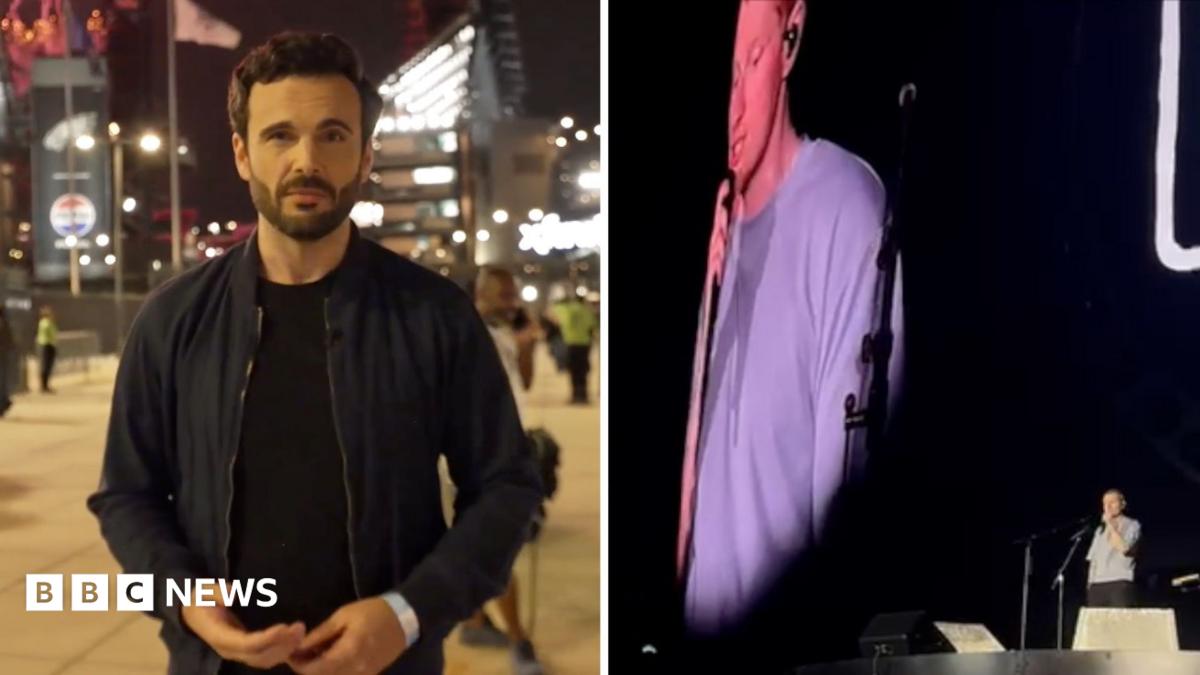
The intersection of geopolitical conflict and multinational entertainment reached a visible flashpoint as British singer-songwriter Ed Sheeran publicly addressed audience concerns following the controversial removal of American hip-hop artist Macklemore from tour programming. Macklemore was dropped from performance lineups after delivering explicit pro-Palestinian commentary during an appearance, triggering immediate pushback from venue stakeholders, corporate sponsors, and advocacy groups. During a subsequent live performance, Sheeran acknowledged missteps in managing the escalating dispute, reflecting the acute pressure faced by commercial entertainment brands attempting to navigate polarized international discourse.
This incident is not an isolated cultural friction point, but rather an acute manifestation of the systemic fallout from the protracted war in Gaza. Over the past twelve months, the conflict has polarized global civil society, transforming mainstream cultural, artistic, and athletic arenas into proxy arenas for state-level narratives. Promoters, talent agencies, and multinational rights holders find themselves trapped between competing geopolitical sensitivities, where statements on foreign policy immediately intersect with commercial contracts, jurisdictional regulations, and vocal public constituencies across North America, Europe, and the Middle East.
Global Trade & Economic Ripples
While ostensibly centered on cultural staging, the economic repercussions of such controversies reverberate directly through the multi-billion-dollar global live-events economy and its adjacent supply chains. Major concert tours operate as complex transnational trade operations involving international freight logistics, cross-border ticketing transactions, institutional underwriting, and multinational corporate sponsorships. High-profile cancellations or artist exclusions jeopardize substantial capital investments, requiring venue operators and event organizers to renegotiate risk premiums with global commercial insurers.
Furthermore, the politicization of international tours interacts with broader consumer boycott movements that have materially affected multinational food, retail, and hospitality conglomerates with exposure to the Middle East. Consumer-facing corporations operating across both Western capitals and emerging markets in the Gulf Cooperation Council (GCC) and Southeast Asia face asymmetrical revenue risks. In regions where pro-Palestinian sentiment remains institutionalized, perceived bias or censorship can catalyze localized consumer strikes, disrupting market access, supply arrangements, and franchise licensing agreements. Consequently, risk-management desks at major commercial sponsors are increasingly treating political alignment liabilities as material corporate governance risks.
Related Intelligence: Geopolitical Polarization Strains Global Entertainment Industry Amid Middle East Fallout
International Reactions & Diplomatic Stances
The diplomatic and regulatory response to speech boundaries regarding the Israel-Gaza war reflects sharp divides among international institutions and national governments. Multilateral bodies, including United Nations human rights rapporteurs, have consistently warned against the curtailment of artistic expression, cautioning that institutional blacklisting risks violating international covenants on civil and political rights. Conversely, several municipal authorities and sovereign regulators in North America and Western Europe have tightened guidelines governing publicly funded venues and public assembly, enforcing strict definitions surrounding hate speech and public order.
In the United States, contractual controversies are further complicated by state-level anti-BDS (Boycott, Divestment, Sanctions) statutes that penalize entities engaging in commercial boycotts of Israel. Meanwhile, government bodies in Middle Eastern cultural hubs have leveraged sovereign wealth assets to construct independent entertainment ecosystems, balancing international commercial engagement with regional public support for Palestinian sovereignty. This divergence underscores how disparate regulatory and diplomatic postures complicate standard corporate governance across multinational tours.
Strategic Outlook & Future Scenarios
Looking ahead, international entertainment and media enterprises are likely to accelerate the institutionalization of stringent political neutrality clauses within talent contracts, cross-border performance riders, and sponsorship agreements. As geopolitical volatility persists in the Middle East and international shipping security through the Red Sea remains compromised, corporate operators are prioritizing risk mitigation and operational predictability over ideological positioning.
However, total insulation remains practically unachievable. Future scenarios point to increased market segmentation, wherein Western entertainment assets and Middle Eastern sovereign-backed events operate under distinct cultural and diplomatic rubrics. Multinational event organizers that fail to formulate sophisticated geopolitical risk strategies risk compounding cancellations, escalating litigation costs, and severe brand attrition across fragmented international markets.
Join Our Official WhatsApp Channel
Receive live commodity alerts, policy changes, and commercial intelligence directly on WhatsApp.