
Iran Car Market Crisis Exposes Sanctions Pressure and Internal Monopolies
Skyrocketing vehicle prices and structural monopolies in Iran's automotive sector highlight the nation's severe cost-of-living crisis, driven by hyperinflation, currency collapse, and biting international sanctions.
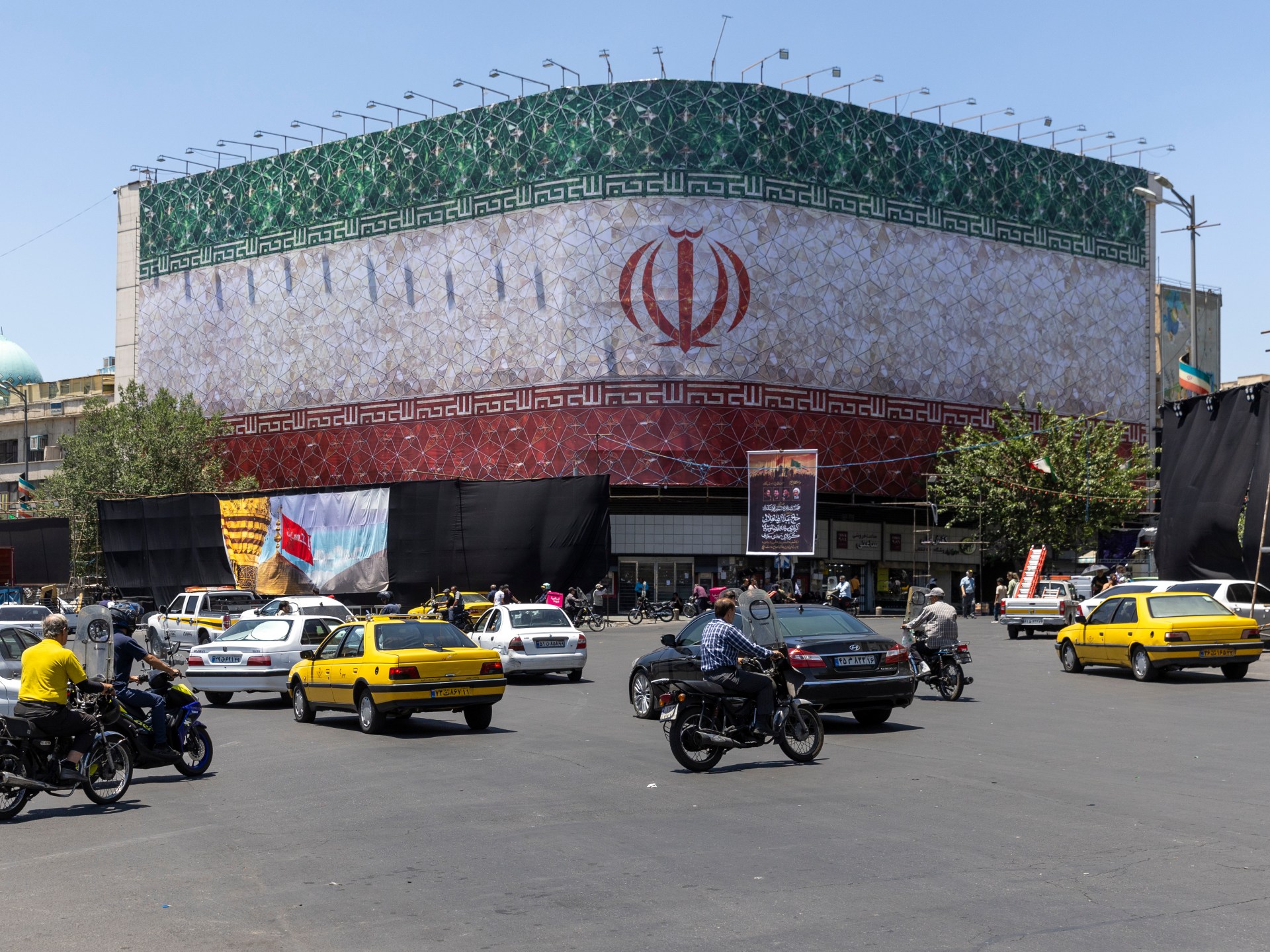
Geopolitical & Core Developments
The escalating crisis within Iran's domestic automotive market has emerged as a central indicator of the country's profound macroeconomic distress. Decades of structural isolation, compounded by stringent US-led secondary sanctions following the collapse of the 2015 Joint Comprehensive Plan of Action (JCPOA), have severed the country from global supply chains. Consequently, domestic consumers have been left at the mercy of state-linked industrial conglomerates, predominantly Iran Khodro (IKCO) and SAIPA. These enterprises, long shielded by prohibitive import tariffs and opaque regulatory frameworks, have established an entrenched monopoly frequently characterized by domestic lawmakers, reformist media, and even state-affiliated outlets as a rent-seeking "car mafia."
The retreat of European industrial partners such as PSA Group and Renault following the reimposition of maximum-pressure sanctions in 2018 triggered acute manufacturing bottlenecks. Tehran's industrial strategy pivoted toward domestic self-reliance, yet state-backed manufacturers have consistently failed to meet domestic demand or maintain quality standards. Artificially engineered delivery bottlenecks and opaque lottery-based distribution mechanisms have widened the supply-demand deficit, leaving the automotive sector as a flashpoint for public anger against institutional mismanagement and state-sanctioned oligarchic structures.
Global Trade & Economic Ripples
The dysfunction within Iran's automotive industry reflects systemic pressures across foreign exchange and commodity markets. As the Iranian rial experiences chronic depreciation against the US dollar, physical vehicles have ceased to function as standard depreciating consumer durables. Instead, they have been transformed into primary capital preservation vehicles and speculative liquid assets for ordinary citizens attempting to hedge against triple-digit inflation. This speculative fervor has detached showroom pricing entirely from underlying disposable incomes.
Internationally, this economic distortion has reinforced reliance on informal trade circuits and asymmetric bilateral partnerships. Shut out from standard Western commercial banking and the SWIFT financial network, Iranian manufacturers increasingly depend on Chinese automotive original equipment manufacturers (OEMs) for semi-knocked-down (SKD) assembly kits and critical electronic components. These transactions are heavily intermediated through complex barter mechanisms and discounted crude oil allocations, creating parallel, non-dollar trade channels. Moreover, the severe shortage of affordable spare parts has catalyzed cross-border smuggling networks traversing the Persian Gulf and neighboring Caucasian states, driving up shadow-market logistics costs throughout the region.
Related Intelligence: Trump Defends Policy Record as Midterm Risks and Energy Pressures Mount
International Reactions & Diplomatic Stances
Multilateral institutions, including the International Monetary Fund, continue to cite runaway inflation and administrative trade barriers as structural impediments to Iranian economic stabilization. Western regulatory authorities, particularly the US Department of the Treasury's Office of Foreign Assets Control (OFAC), maintain close scrutiny over Iranian industrial manufacturing, monitoring dual-use equipment diversions and sanctions-evasion channels linked to military-affiliated enterprises.
Domestically, the crisis has fueled intense legislative friction. Factions within the Iranian Majlis have repeatedly introduced legislation aiming to liberalize foreign vehicle imports to introduce market competition and temper prices. However, these legislative maneuvers face continuous opposition from the Guardian Council and powerful trade lobbies closely aligned with state-backed manufacturers. Concurrently, regional trade partners note that Iran's restrictive import quotas and prohibitive customs tariffs reflect a broader strategic imperative by the Central Bank of Iran to preserve depleting foreign exchange reserves amid protracted sanctions pressure.
Strategic Outlook & Future Scenarios
In the near-to-medium term, Iran's automotive sector is expected to remain mired in structural stagflation. A meaningful reduction in vehicle prices remains unattainable without an influx of competitive foreign supply, which itself is constrained by foreign exchange illiquidity and the sustained enforcement of Western sanctions. Tehran may pursue marginal, highly regulated import allowances for hybrid or low-displacement vehicles, but structural currency risks and distribution cartels will likely neutralize substantial price corrections.
Furthermore, Iran's industrial trajectory will increasingly align with Beijing under the 25-year Comprehensive Strategic Partnership, accelerating the substitution of domestic legacy models with rebranded Chinese platforms. Should inflationary pressures continue to erode the purchasing power of the middle class, the automotive sector will remain an active catalyst for broader domestic socioeconomic unrest, presenting persistent stability challenges for the governing administration amid an unresolved nuclear standoff.
Join Our Official WhatsApp Channel
Receive live commodity alerts, policy changes, and commercial intelligence directly on WhatsApp.