
Inside the UN General Assembly: Global Diplomacy and Economic Realities
An in-depth look at the 81st UN General Assembly highlights how global diplomatic shifts intersect with international trade and macroeconomic stability for emerging markets like Pakistan.
The Core Development
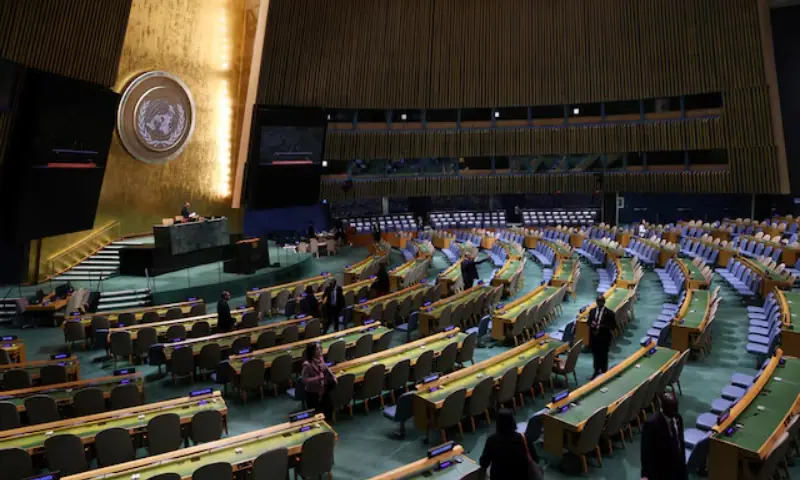
Only at the United Nations can a journalist walk through a corridor and suddenly find himself face to face with a prime minister, pause before a sculpture symbolising peace, read the words of a Persian poet written on a wall, and then rush outside to report on a protest against a war thousands of miles away. For five days, correspondents lived inside that extraordinary contradiction while covering the high-level debate of the 81st United Nations General Assembly in New York. The official high-level week brought heads of state and government from around the world to the UN headquarters between September 22 and 26. Beyond the diplomatic rhetoric, the sprawling corridors hosted intense closed-door negotiations regarding global security frameworks, climate financing, and multilateral trade pacts. The physical architecture of the UN headquarters itself—adorned with sculptures, statues, and historical artifacts donated by member states—served as a stark backdrop to fierce geopolitical friction. As world leaders addressed the plenary hall, delegates grappled with overlapping crises ranging from protracted regional conflicts to severe debt distress in developing nations. The proximity of high-stakes political maneuvering to grassroots protests outside the perimeter underscored the fragile equilibrium of modern global governance.
Commercial & Economic Implications
For an import-dependent emerging economy like Pakistan, the policy declarations and diplomatic alignments forged in New York carry profound commercial consequences. International resolutions and multilateral consensus on climate policy, energy transitions, and financial aid directly influence the lending terms and structural benchmarks imposed by international financial institutions. Wholesale distribution networks, retail trade stability, and domestic inflation rates are intrinsically tied to global commodity prices, which fluctuate in response to geopolitical tensions discussed at the UN. Trade disruptions stemming from unresolved international conflicts cascade down to local supply chains, affecting the cost of imported raw materials, petroleum products, and essential foodstuffs. Furthermore, investor confidence in South Asian markets depends heavily on perceived geopolitical stability and predictable trade corridors. Currency stability and foreign exchange reserves in Pakistan remain vulnerable to shifts in global liquidity and international donor commitments, making the outcomes of high-level diplomatic weeks critical variables for domestic business forecasting and corporate budgeting.
Related Intelligence: Bangkok Declares Disaster Emergency as Monsoon Floods Paralysis Thai Supply Chains
Stakeholder Perspectives & Market Reactions
Industry bodies, trader associations, and financial analysts in Pakistan have closely monitored the UN proceedings, evaluating how global policy shifts will translate into regulatory changes locally. Business leaders emphasize that macroeconomic volatility demands greater resilience in domestic supply chains and proactive trade diversification. Representatives from key commercial sectors note that while high-level diplomatic summits set broad normative agendas, the immediate market reaction is often dictated by currency fluctuations and commodity pricing on international exchanges. Legal experts and policy analysts point out that resolutions passed during the General Assembly can pave the way for binding international treaties affecting cross-border taxation, environmental compliance standards, and labor laws. Public response, meanwhile, remains focused on the immediate cost of living, with consumers and retail associations urging policymakers to insulate domestic markets from external supply shocks through strategic reserves and targeted subsidies.
Forward Outlook & Key Watchpoints
As the diplomatic dust settles from the 81st UN General Assembly, attention shifts toward the implementation phase of various multilateral commitments and upcoming international economic summits. Key watchpoints for Pakistani businesses and policymakers over the coming months include the follow-up Ministerial conferences on climate financing, scheduled trade policy reviews, and bilateral negotiations aimed at securing favorable energy supply contracts. Analysts will be closely tracking quarterly inflation data, central bank monetary policy adjustments, and sovereign debt restructuring talks. Ultimately, the ability of domestic commercial enterprises to navigate these shifting global currents will depend on agile supply chain management, astute risk mitigation, and close alignment with evolving international regulatory frameworks.
Join Our Official WhatsApp Channel
Receive live commodity alerts, policy changes, and commercial intelligence directly on WhatsApp.