
US and China Establish Bilateral AI Communication Channel Following High-Level Summit
The United States and China have agreed to open a formal bilateral communication channel to address artificial intelligence incidents following a high-level diplomatic summit.
Geopolitical & Core Developments
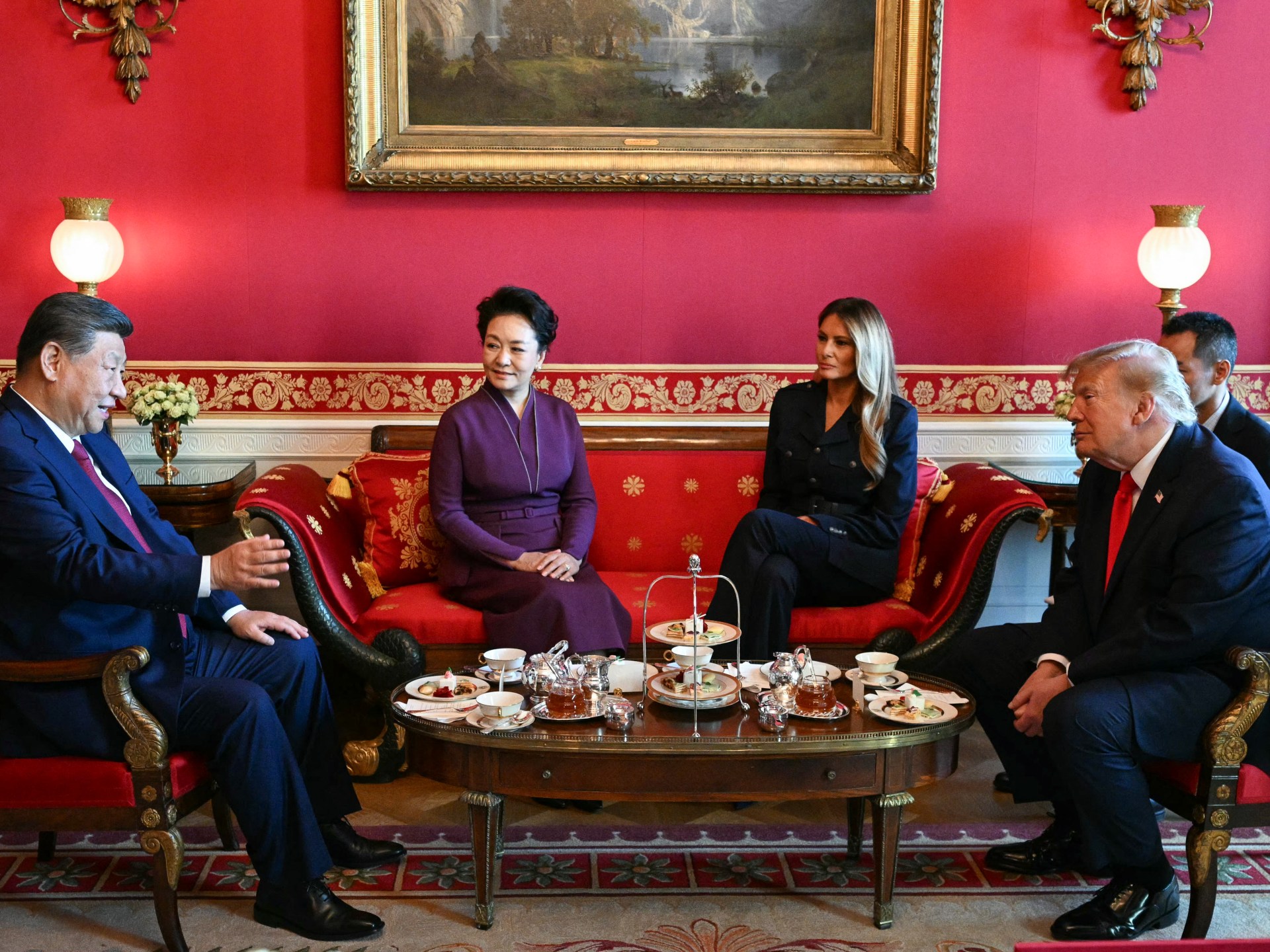
In a landmark diplomatic maneuver following a high-level bilateral summit, the United States and China have formally agreed to establish a dedicated communication channel focused on artificial intelligence governance and risk mitigation. The announcement, confirmed by the White House, marks a critical shift from competitive techno-nationalism toward structured crisis management between the world's two preeminent superpowers. As both nations accelerate the integration of advanced machine learning into critical infrastructure and defense apparatuses, the absence of a direct conduit for crisis communication has long been identified by security experts as a primary vector for unintended escalation.
The framework is designed to function as an emergency dialogue mechanism akin to Cold War-era hotlines, specifically tailored to address autonomous system failures, algorithmic misinterpretations in military command structures, and catastrophic cyber incidents originating from commercial or state-sponsored AI platforms. State actors in both capitals recognize that the rapid deployment of generative and analytical algorithms introduces unprecedented variables into strategic stability. By formalizing this channel, Washington and Beijing aim to establish guardrails that prevent technical anomalies from precipitating geopolitical crises, setting a foundational precedent for multilateral technology governance.
Global Trade & Economic Ripples
The establishment of a bilateral AI dialogue carries profound implications for global trade, high-technology supply chains, and cross-border commercial investments. Artificial intelligence no longer exists merely as a software phenomenon; it is deeply intertwined with physical commodity markets, notably the semiconductor supply chain, rare earth minerals such as gallium and germanium, and massive energy grids required to power data centers. Disruptions in technological cooperation directly impact the pricing and availability of foundational hardware, rippling across global manufacturing sectors from automotive production to consumer electronics.
Furthermore, multinational corporations operating across both jurisdictions have faced mounting operational uncertainty amid tightening export controls, tariffs, and technological decoupling. While the new communication channel focuses primarily on risk management rather than trade liberalization, market analysts suggest it could ease regulatory friction and foster a more predictable environment for international tech investments. Currency values tied to technology-heavy economies, along with commodities essential for advanced computing infrastructure, may experience stabilized sentiment as investors price in a reduced risk of outright technological conflict.
Related Intelligence: AI Liability Tests Global Tech Governance as Canadian Lawsuits Mount
International Reactions & Diplomatic Stances
Global bodies and international stakeholders have responded to the announcement with cautious optimism. Representatives from the United Nations and various European multilateral organizations welcomed the move, emphasizing that effective stewardship of artificial intelligence requires universal cooperation rather than polarized fragmentation. European trade officials noted that bilateral stabilization between Washington and Beijing could pave the way for broader multilateral frameworks under the auspices of the UN, reducing the likelihood of a fractured global digital economy divided into incompatible technological blocs.
Market analysts and geopolitical think tanks have underscored the pragmatic necessity of the agreement while maintaining a realistic assessment of underlying tensions. Industry leaders within the global tech sector have long advocated for clear regulatory channels to navigate conflicting compliance mandates in the US and China. However, defense strategists point out that establishing a communication channel does not resolve the fundamental strategic competition for technological supremacy, nor does it dismantle existing export restrictions on advanced semiconductors and specialized processing units.
Strategic Outlook & Future Scenarios
Looking ahead, the trajectory of US-China AI diplomacy will depend heavily on the institutionalization and operational effectiveness of the newly formed communication channel. Upcoming bilateral working groups and multilateral technology summits will test whether this diplomatic breakthrough can expand from crisis mitigation to broader cooperative standards regarding safety research, algorithmic transparency, and ethical deployment.
However, persistent geopolitical friction points—including intellectual property disputes, cyber espionage allegations, and the ongoing contest for dominance in quantum computing and semiconductor manufacturing—remain potent catalysts for potential escalation. Should the communication channel prove resilient, it may serve as a blueprint for managing other high-stakes emerging technologies. Conversely, failure to operationalize the agreement effectively could accelerate technological bifurcation, hardening global supply chains into rival economic fortresses and permanently altering the landscape of international commerce.
Join Our Official WhatsApp Channel
Receive live commodity alerts, policy changes, and commercial intelligence directly on WhatsApp.