
African Cup Qualifiers Open With High-Stakes Geopolitical and Sporting Drama
Continental football openers reveal shifting power dynamics across African states as Senegal, Nigeria, and Mali navigate high-stakes tournament qualification matches.
Geopolitical & Core Developments
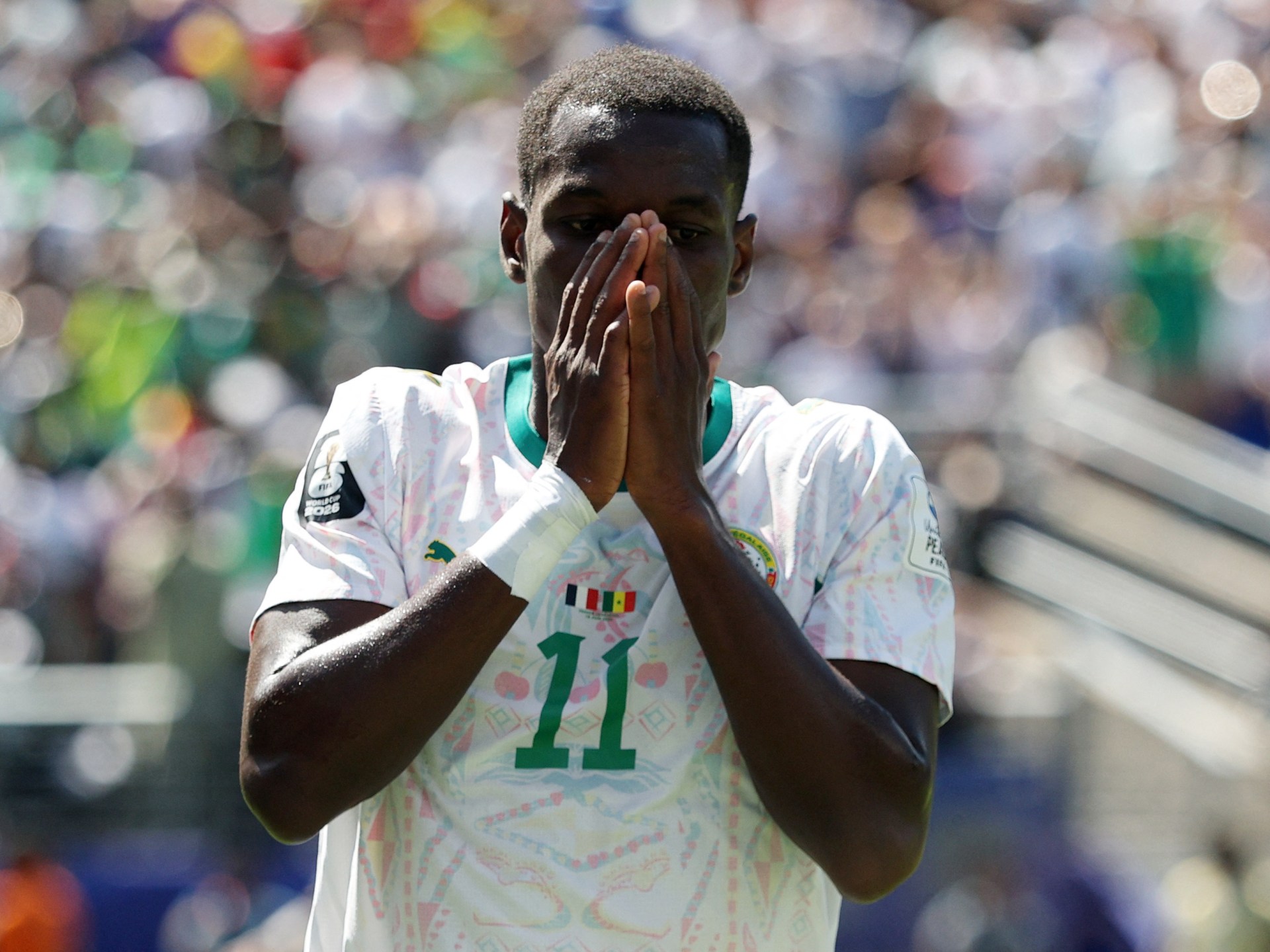
The opening fixtures of the Africa Cup of Nations qualifiers have delivered a dramatic slate of results that reverberate far beyond the pitch, highlighting shifting power dynamics and state-level investments in national athletic infrastructure across the continent. In Dakar, Senegal commenced a new era under newly appointed manager Patrick Vieira, settling for a cautious draw against a resilient Mozambique side. The tactical stalemate under a high-profile European-trained tactician underscores the intense domestic pressures placed on West African football federations to secure immediate continental dominance. Meanwhile, Nigeria faced an unexpected scare against Madagascar, narrowly edging out their opponents in a match that exposed vulnerabilities in the Super Eagles' defensive organization. Across the region, state actors view athletic success as a critical tool for soft power projection and national unity, raising the stakes for every tactical decision made by coaching staffs.
In another critical fixture, Cape Verde suffered a decisive defeat at the hands of Mali, fundamentally altering the early arithmetic of their qualification group. Mali's disciplined performance showcased the dividends of long-term institutional investment in youth academies and domestic league structures. As these qualification matches unfold over the coming months, foreign ministries and national sports commissions alike are closely monitoring team performances as barometers of regional stability and organizational competence. The intersection of state funding, diplomatic prestige, and athletic prowess continues to shape the broader narrative of African sports administration, turning routine qualification matches into high-stakes diplomatic showcases.
Global Trade & Economic Ripples
While sporting fixtures rarely dictate immediate macroeconomic trends, major continental tournaments and their qualifying cycles generate substantial secondary economic impacts across regional supply chains, tourism infrastructure, and hospitality sectors. The mobilization of tens of thousands of travelling supporters, international media personnel, and official delegations stimulates localized commerce in host and competing nations, temporarily boosting aviation revenues and hotel occupancy rates. Furthermore, multinational corporate sponsors leverage these high-visibility fixtures to negotiate lucrative commercial partnerships, influencing foreign direct investment flows into regional sports marketing and broadcasting rights.
The logistical complexities of hosting and travelling to these fixtures also test regional transportation corridors and aviation networks. Airlines adjust flight schedules and capacity to accommodate surging cross-border demand between West and Central Africa, temporarily reallocating fleet assets to maximize yields on lucrative regional routes. Additionally, official merchandise manufacturing and distribution networks experience seasonal spikes, driving supply chain activity across textile and retail sectors. As African football continues to professionalize and attract greater international capital, the economic footprint of qualification campaigns increasingly intersects with broader trade discussions and regional integration initiatives.
Related Intelligence: Inside the UN General Assembly: Global Diplomacy and Economic Realities
International Reactions & Diplomatic Stances
Continental sports bodies, including the Confederation of African Football, have praised the competitive balance and security arrangements surrounding the opening round of fixtures. International media organizations and market analysts have noted the heightened tactical sophistication displayed by underdog nations like Mozambique and Madagascar, signaling a broader democratization of talent across the continent. Diplomatic representatives stationed in Dakar, Bamako, and Abuja have utilized the matches as platforms for informal cultural diplomacy, hosting viewing events that foster bilateral engagement between African governments and international partners.
Multilateral observers emphasize that successful tournament administration serves as a vital indicator of institutional capacity for emerging economies. Foreign trade delegations and investors monitor these large-scale public events to gauge the reliability of local infrastructure, telecommunications networks, and security apparatuses. The generally peaceful conclusion to the opening matchday has reinforced positive perceptions of regional stability, encouraging continued foreign capital allocation into the broader African entertainment and hospitality sectors.
Strategic Outlook & Future Scenarios
As the qualification cycle progresses toward its decisive stages, national federations face intense scrutiny to secure tournament berths that guarantee prestige and substantial financial distributions from governing bodies. Upcoming fixtures will test the depth of squad rotations and the adaptability of coaching staffs under mounting political and public pressure. For teams like Senegal and Nigeria, tactical adjustments will be imperative to avoid further slip-ups against rapidly improving regional adversaries, while triumphant sides like Mali must maintain momentum to secure top-tier seeding.
Looking further ahead, the long-term trajectory of African football governance points toward increased commercialization, enhanced broadcast revenue sharing, and greater structural alignment with global sporting standards. Governments will likely continue leveraging athletic infrastructure development as a cornerstone of urban modernization projects. Ultimately, these qualification matches are not merely athletic contests, but vital barometers of institutional resilience, national identity, and regional cooperation across an increasingly interconnected continent.
Join Our Official WhatsApp Channel
Receive live commodity alerts, policy changes, and commercial intelligence directly on WhatsApp.