
Indian Opposition Detention Deepens Democratic Volatility Risks
The detention of Indian opposition leaders protesting alleged electoral manipulation by Chief Election Commissioner Gyanesh Kumar highlights growing governance risks in South Asia, threatening foreign investment confidence.
Geopolitical & Core Developments
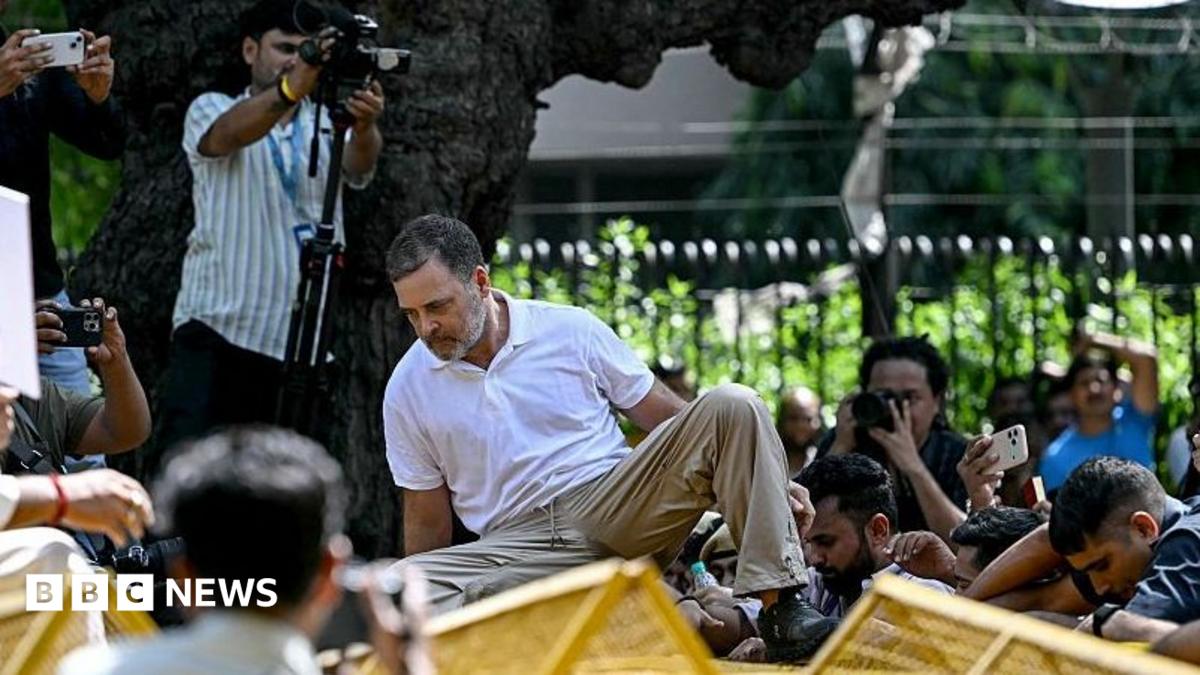
The political landscape of South Asia experienced a sharp escalation as Indian security forces detained prominent opposition members of parliament during demonstrations outside key administrative complexes. The protests were galvanized by serious allegations leveled against Chief Election Commissioner Gyanesh Kumar, whom opposition factions accuse of orchestrating systematic voter roll manipulation to advantage Prime Minister Narendra Modi’s ruling Bharatiya Janata Party (BJP).
The friction underscores a profound institutional crisis within the world’s largest democracy, where the independence of foundational electoral machinery is increasingly scrutinized by domestic political entities and international observers alike. The detention of elected representatives signals a hardening stance by the executive branch against dissent, raising immediate questions regarding civil liberties, legislative oversight, and the integrity of future electoral cycles across federal and state levels. State actors and domestic coalitions are now locked in a high-stakes standoff that threatens to paralyze legislative proceedings and deepen societal polarization.
Global Trade & Economic Ripples
For international commodity traders and global institutional investors, domestic political stability in India remains a cornerstone of South Asian macroeconomic strategy. India's burgeoning role as an indispensable alternative manufacturing hub and a massive consumer market relies heavily on institutional predictability and transparent regulatory frameworks. Any prolonged political instability or erosion of democratic checks and balances directly impacts foreign direct investment (FDI) inflows across critical sectors, including technology, renewable energy, and heavy manufacturing.
While immediate physical supply chains for agricultural commodities, metals, and refined petroleum products remain operational, prolonged domestic unrest could introduce regulatory friction, labor disruptions, and policy delays. Global credit rating agencies and multinational corporations closely monitor these developments, as institutional volatility increases sovereign risk premiums and complicates long-term capital allocation strategies in emerging markets.
Related Intelligence: Pakistan Prime Minister Conditions PTI Talks on March Cessation
International Reactions & Diplomatic Stances
International bodies and diplomatic missions have begun monitoring the unfolding situation with cautious diplomacy, balancing strategic partnerships with adherence to democratic norms. Multilateral organizations, including human rights monitoring networks and international legal bodies, have expressed concern over the suppression of peaceful political opposition and the curtailment of parliamentary assembly rights.
Market analysts from major financial institutions note that while Western allies view New Delhi as a vital geopolitical counterweight in the Indo-Pacific region, sustained democratic backsliding complicates multilateral alignment and economic integration frameworks. Global investors are assessing whether institutional friction will translate into unpredictable trade policies or regulatory crackdowns that could affect multinational operations within the subcontinent.
Strategic Outlook & Future Scenarios
Looking ahead, the trajectory of India’s domestic political arena will depend on the judiciary's willingness to intervene in executive-election commission disputes and the opposition's capacity to sustain a unified national campaign. Upcoming regional elections and parliamentary sessions will serve as critical stress tests for the nation's democratic resilience.
If the ruling administration and opposition fail to establish a constructive institutional dialogue, structural political polarization could intensify, leading to broader social unrest and potentially affecting India's standing in global diplomatic forums. Conversely, a negotiated resolution involving independent judicial oversight of electoral processes could restore market confidence and reaffirm the nation's democratic credentials on the global stage.
Join Our Official WhatsApp Channel
Receive live commodity alerts, policy changes, and commercial intelligence directly on WhatsApp.