
UK By-Election Threatens Labour Hegemony Amid Geopolitical Shifts
Green Party leadership challenges Labour's historic dominance in Prime Minister Keir Starmer's former parliamentary constituency, signaling potential shifts in British foreign policy and international market confidence.
Geopolitical & Core Developments
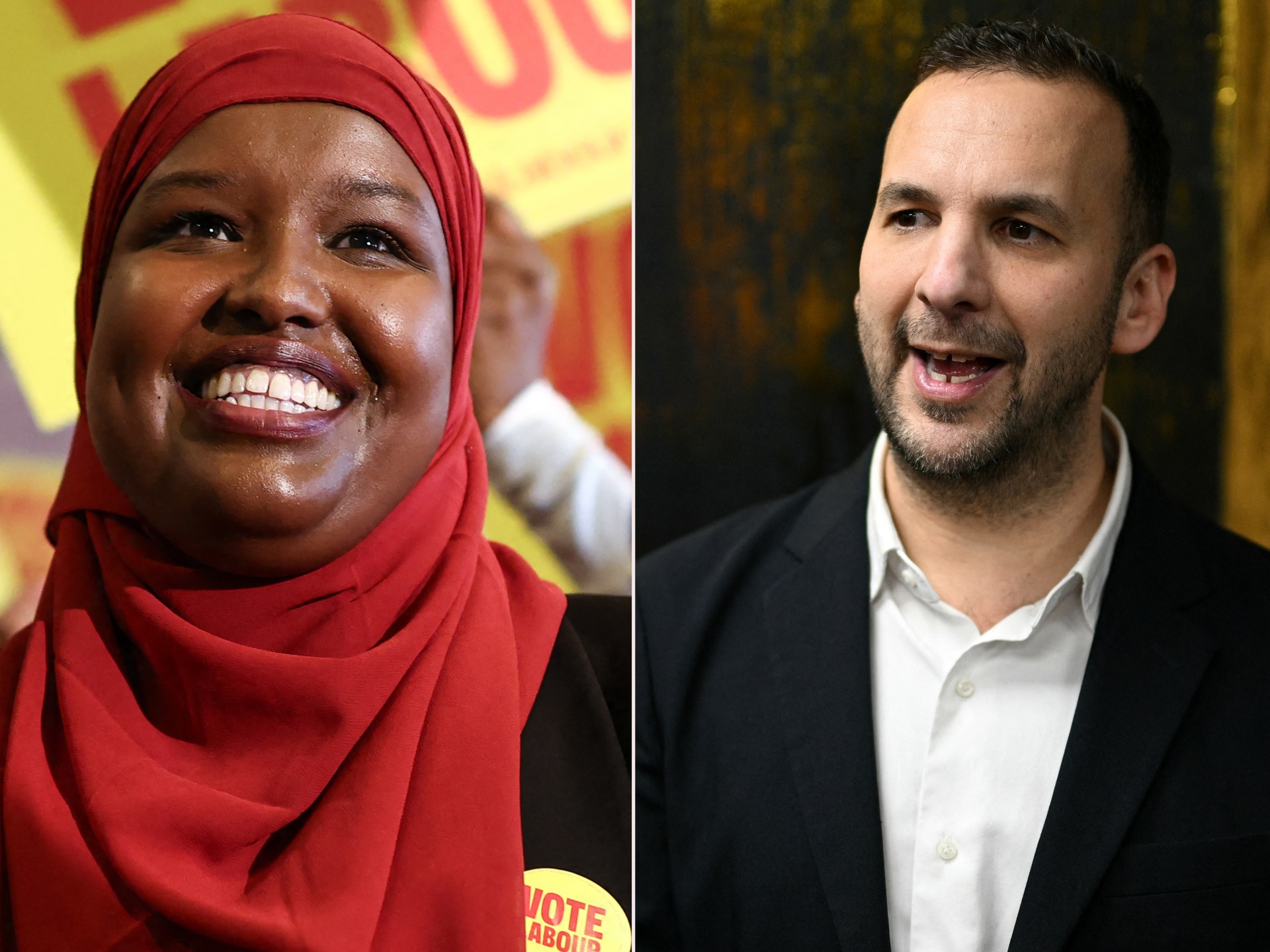
The political landscape of the United Kingdom is experiencing unprecedented turbulence as the Green Party mounts a formidable challenge against the governing Labour Party in the Holborn and St Pancras constituency. Historically held by Labour since its creation in 1983 and currently associated with Prime Minister Keir Starmer, this secure urban stronghold is now facing a strategic assault led by Green Party figures including Zack Polanski. This localized electoral contest carries profound implications for British foreign policy, particularly regarding the UK's diplomatic posture in the Middle East and its broader international commitments. As domestic voter discontent grows over foreign policy stances, traditional party alignments are fracturing, opening new avenues for minor parties to influence national governance.
Global Trade & Economic Ripples
While electoral contests in central London primarily reflect domestic socioeconomic concerns, international commodity markets and global trade desks monitor British political shifts for potential fiscal volatility. Political realignment in major G7 economies often signals prospective shifts in regulatory frameworks, taxation policies, and international trade agreements. Investors holding sterling-denominated assets and commodities are assessing whether domestic political pressure could force the current administration to alter its fiscal spending or energy transition timelines. Any instability within the UK parliamentary core risks unsettling investor confidence across European financial hubs, potentially impacting cross-border capital flows and foreign direct investment in key commercial sectors.
Related Intelligence: Pakistan Prime Minister Conditions PTI Talks on March Cessation
International Reactions & Diplomatic Stances
International observers, foreign policy analysts, and multilateral diplomatic missions are closely watching the electoral dynamics in Prime Minister Starmer's former seat. European Union capitals and Middle Eastern diplomatic delegations view domestic challenges over foreign policy as an indicator of public sentiment regarding the UK's international engagements. Analysts suggest that significant electoral gains by pro-Palestine progressive factions could compel Westminster to adopt a more assertive diplomatic posture in international forums, potentially shifting its voting patterns at the United Nations Security Council and altering bilateral trade negotiations with key partners in the Global South.
Strategic Outlook & Future Scenarios
Looking ahead, the trajectory of this political challenge will likely serve as a bellwether for upcoming municipal and national electoral contests across Western Europe. As governments navigate complex geopolitical crises, domestic voter fragmentation poses a persistent challenge to traditional governing parties. Policymakers must anticipate that foreign policy positions will increasingly dictate domestic electoral outcomes, influencing how nations negotiate international treaties, manage energy security, and sustain multilateral alliances in an increasingly multipolar global economy.
Join Our Official WhatsApp Channel
Receive live commodity alerts, policy changes, and commercial intelligence directly on WhatsApp.