
UN Chief Praises Pakistan Mediation in US-Iran Conflict
UN Secretary General Antonio Guterres praised Pakistan's pivotal diplomatic role in mediating between the United States and Iran, bolstering regional stability and safeguarding critical economic corridors.
The Core Development
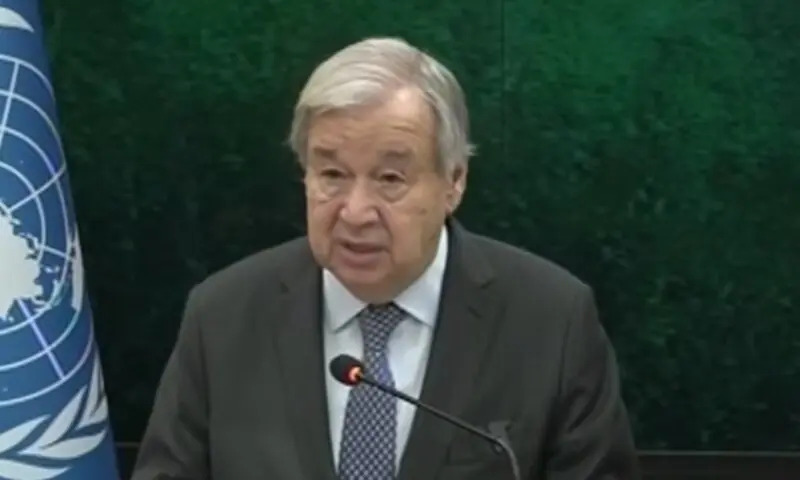
United Nations Secretary General Antonio Guterres on Tuesday lauded Pakistan’s pivotal diplomatic role in mediating between the United States and Iran, urging an immediate and permanent return to regional diplomacy. Addressing a high-profile press conference in Islamabad alongside Deputy Prime Minister and Foreign Minister Ishaq Dar, the UN chief commended Pakistan's active engagement in global security frameworks. Guterres highlighted that Islamabad's persistent diplomatic efforts were instrumental in creating viable conditions for high-stakes dialogue between Washington and Tehran. These sustained diplomatic overtures culminated in the landmark Islamabad memorandum of understanding, a subsequent fragile ceasefire, and a structured framework for future bilateral and multilateral negotiations. The United Nations leadership emphasized that these diplomatic interventions have significantly lowered the immediate threat of military escalation in the Persian Gulf, averting a broader geopolitical crisis that could have destabilized South Asia and the Middle East alike.
Commercial & Economic Implications
For Pakistan's domestic economy, wholesale distribution networks, and international trade corridors, regional stability in the Middle East is an absolute commercial imperative. The de-escalation of US-Iran hostilities directly impacts Pakistan through multiple macroeconomic channels, most notably energy security and commodity pricing. A stable Middle East ensures uninterrupted petroleum, oil, and lubricants (POL) supply chains, mitigating severe inflationary pressures on domestic retail fuel prices, transport costs, and industrial electricity tariffs. Furthermore, reduced geopolitical volatility secures vital trade routes connecting Pakistani exporters to Gulf Cooperation Council (GCC) markets. For retail traders and commercial enterprises operating within Pakistan, lower import bills for energy translate directly into stabilized production costs, curbing cost-push inflation and protecting consumer purchasing power across essential staple markets.
Related Intelligence: Black Sea Vessel Attacks Trigger Regional Security and Trade Alarm
Stakeholder Perspectives & Market Reactions
Business councils, corporate leaders, and trade associations across Pakistan have expressed strong optimism regarding the diplomatic breakthrough. Industry bodies representing manufacturing and export sectors noted that diplomatic stability reduces sovereign risk premiums, thereby encouraging foreign direct investment and stabilizing foreign exchange reserves. Financial market analysts observed positive sentiment on the Pakistan Stock Exchange, driven by expectations of reduced macroeconomic vulnerability and stable energy imports. Legal and foreign policy experts have similarly praised the Ministry of Foreign Affairs for executing a delicate balancing act that enhances Pakistan's international stature as a credible mediator of peace rather than a flashpoint for proxy conflicts.
Forward Outlook & Key Watchpoints
As the diplomatic framework moves toward formal implementation, policymakers and market participants must monitor several critical indicators. Key watchpoints include the adherence of all regional actors to the Islamabad memorandum of understanding, the formal scheduling of subsequent negotiation rounds, and potential spillover effects on global crude oil benchmarks. For Kalyar Traders and the wider business community, maintaining close vigilance over international shipping insurance rates in the Strait of Hormuz remains essential. Sustained diplomatic engagement backed by the United Nations will be vital to ensuring long-term commercial predictability and economic resilience for Pakistan throughout the fiscal year.
Join Our Official WhatsApp Channel
Receive live commodity alerts, policy changes, and commercial intelligence directly on WhatsApp.