
Russian Drone Escalation Targets Ukrainian Rail Network, Disrupting Global Supply Chains
Escalating Russian drone attacks on Ukraine's railway infrastructure endanger civilian passengers and disrupt vital international commodity transit corridors.
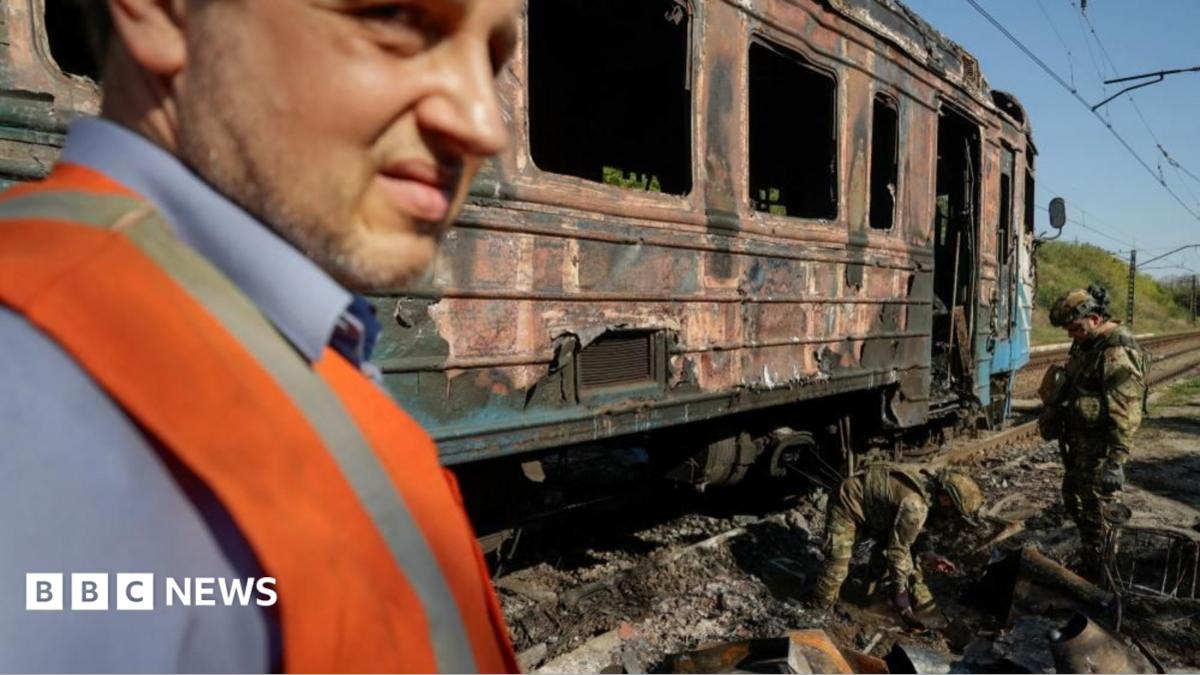
Geopolitical & Core Developments
The conflict in Ukraine has entered a perilous new phase as Russian military forces systematically escalate drone and missile strikes against the nation's critical civilian transportation infrastructure. Long-distance passenger and freight rail networks, which have served as the primary arteries of mobility and commerce since the closure of Ukraine's airspace, are now directly in the crosshairs. This strategic shift reflects a broader Moscow doctrine aimed at degrading internal cohesion, paralyzing domestic logistics, and instilling widespread psychological terror among the civilian population.
Railways in Ukraine have historically functioned as the backbone of both societal movement and economic survival. As air travel remains grounded due to active combat operations, millions of citizens rely on state-run Ukrzaliznytsia trains to flee active combat zones, reunite with families, and sustain essential domestic travel. By targeting junctions, rolling stock, and electrical subgrids associated with the rail network, Russian forces are deliberately compounding humanitarian distress while seeking to sever the logistical lifelines that sustain the Ukrainian state apparatus.
Global Trade & Economic Ripples
The weaponization of civilian transport corridors carries profound implications for global commodity markets and international trade flows. Ukraine remains a cornerstone supplier of vital agricultural commodities—including wheat, corn, and sunflower oil—as well as essential industrial raw materials. With traditional Black Sea shipping lanes subject to intermittent blockades and naval skirmishes, land-based rail corridors into the European Union have assumed paramount importance for maintaining global food security.
Delays, infrastructure damage, and heightened security protocols along these rail routes threaten to choke export volumes, injecting fresh volatility into international grain futures and fertilizer pricing. Furthermore, multinational logistics firms and cargo operators face soaring insurance premiums and acute operational hazards. The disruption of cross-border rail logistics forces alternative routing through congested Eastern European hubs, driving up transportation expenditures and inflating delivered costs for industrial inputs across Western markets.
Related Intelligence: Punjab Extends Section 144 Ban Amid Heightened Security Threats
International Reactions & Diplomatic Stances
Global condemnation of the attacks has been swift, with representatives from the United Nations and various Western capitals denouncing the deliberate targeting of civilian transport infrastructure as a violation of international humanitarian law. Human rights monitors emphasize that strikes on commuter and long-distance trains disproportionately affect non-combatants, including women, children, and the elderly.
Multilateral trade organizations and diplomatic missions in Kyiv have called for enhanced air defense systems to protect critical transit corridors. Meanwhile, market analysts and risk-assessment agencies have adjusted their sovereign risk ratings for the region, warning that prolonged degradation of Ukraine's transport infrastructure could permanently alter Central and Eastern European supply chain architectures, forcing a costly pivot toward alternative overland corridors that currently lack the requisite capacity.
Strategic Outlook & Future Scenarios
Looking ahead, the security trajectory of Ukraine's rail network will depend heavily on the rapid deployment of advanced, mobile short-range air defense systems capable of intercepting low-flying loitering munitions. Without robust protection, the continuous attrition of rolling stock and rail terminals risks triggering severe internal economic bottlenecks and deepening humanitarian vulnerabilities.
Upcoming diplomatic summits and donor conferences will likely prioritize the financing of transport resilience initiatives, including mobile repair units, backup power generators for signaling systems, and hardened storage facilities. However, until a comprehensive diplomatic resolution or sustainable ceasefire is achieved, international traders must price in persistent logistical friction, ensuring that overland supply chains remain highly vulnerable to the shifting tides of kinetic warfare.
Join Our Official WhatsApp Channel
Receive live commodity alerts, policy changes, and commercial intelligence directly on WhatsApp.