
Indian Court Extends Detention of Movement Leaders Amid Mounting Civil Protests
An Indian court has extended the detention of key civic leadership figures following nationwide anti-government demonstrations, intensifying domestic tensions and drawing sharp scrutiny from international human rights observers and institutional investors.
Geopolitical & Core Developments
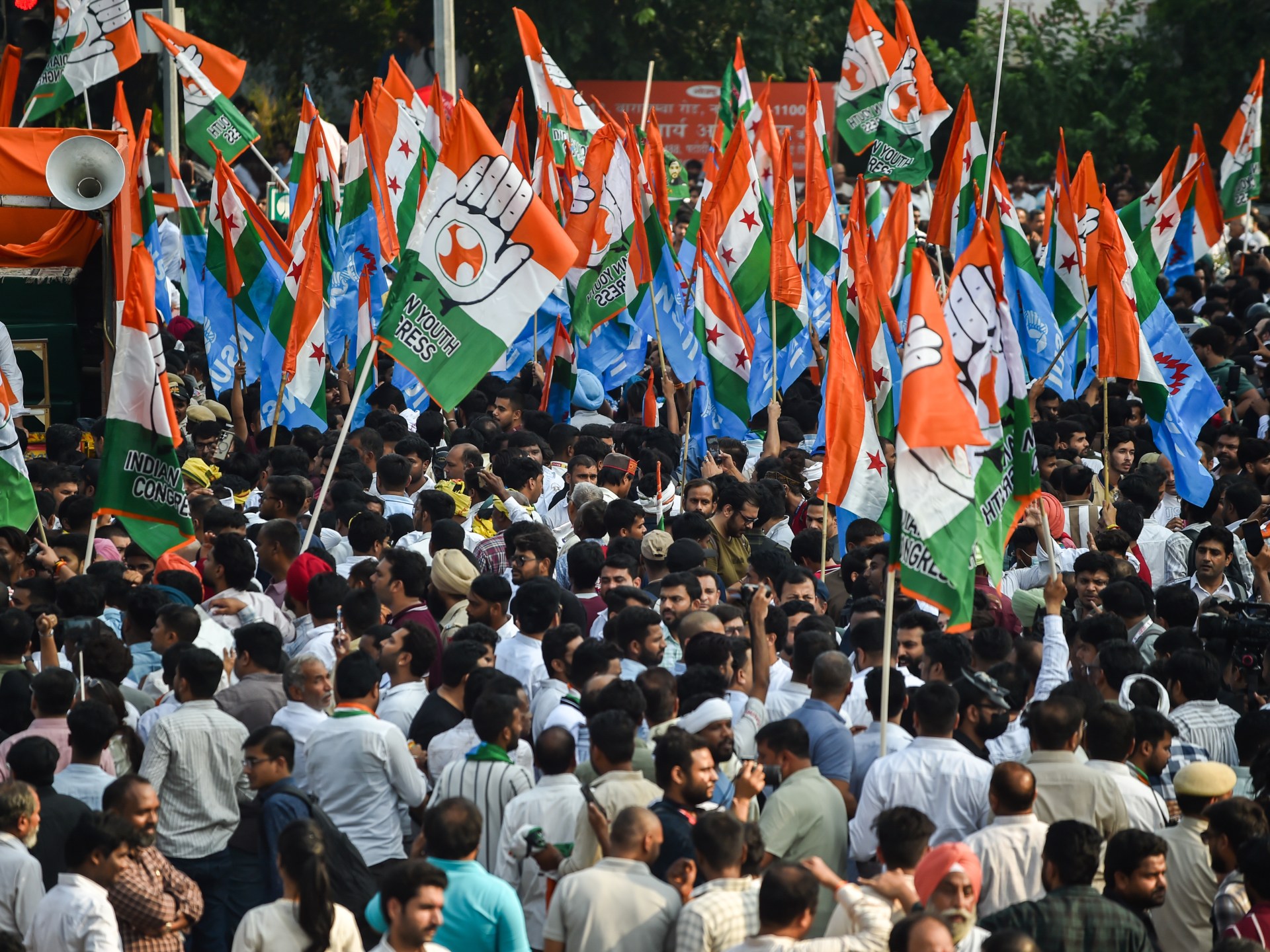
A judicial magistrate in India has authorized the extended detention of prominent activist leadership associated with civil rights groups, following weeks of sustained demonstrations against federal policies. Law enforcement authorities sought the prolonged remand citing ongoing investigations into unauthorized assemblies, public disruption, and alleged threats to domestic stability. The detentions follow a series of coordinated operations aimed at dispersing near-daily civic rallies that have materialized across major municipal hubs.
The administration maintains that security interventions are strictly preventative measures intended to safeguard critical infrastructure and prevent unlawful disruptions of public transit and commercial hubs. However, opposition figures, legal defenders, and civil society coalitions argue that the application of sweeping public order statutes reflects an intensifying state effort to neutralize organized dissent. The strategic stakes for New Delhi remain high, as the government attempts to project internal political stability while advancing ambitious structural reforms and positioning the country as an indispensable global manufacturing destination.
Global Trade & Economic Ripples
While the direct operational impact on primary global commodity markets has remained moderate, prolonged civil friction poses latent risks to industrial logistics and cross-border commercial execution. Major manufacturing belts adjacent to metropolitan centers have experienced sporadic transport bottlenecks, heightening vigilance among multinational supply chain managers. Continued disruptions threaten to increase domestic freight turnaround times, intermittently affecting ports and domestic distribution networks.
Foreign portfolio investors are closely tracking the administration's management of domestic dissent. Heightened social frictions, combined with sudden localized administrative curfews, typically introduce volatility into sovereign risk metrics and currency markets. Although the Indian Rupee continues to be anchored by central bank foreign exchange interventions, structural risk premiums could expand if civil friction spreads into primary agricultural or energy transit routes. Analysts note that foreign direct investment inflows, particularly in electronics manufacturing and heavy engineering, depend heavily on social stability and regulatory transparency.
Related Intelligence: Netanyahu Security Doctrine Sparks Scrutiny Over Regional Strategy and Domestic Politics
International Reactions & Diplomatic Stances
The extended detention of civil leadership has drawn critical oversight from global governance institutions and non-governmental monitors. Representatives from human rights organizations, including Amnesty International and regional observers, have voiced concern regarding due process guarantees, pre-trial detention limits, and the protection of constitutional rights to peaceful assembly. International legal monitors have urged federal authorities to uphold standard judicial safeguards and expedite formal arraignments.
Diplomatic counterparts in North America and the European Union have refrained from unilateral punitive declarations, recognizing India's critical counterweight role within the Indo-Pacific architecture. However, diplomatic cables and multilateral working groups have quietly signaled that domestic governance records remain integral to bilateral economic partnerships and trade dialogues. Multilateral development institutions maintain that transparent legal systems and civic protections are essential prerequisites for long-term sovereign creditworthiness and sustained foreign direct investment.
Strategic Outlook & Future Scenarios
Moving forward, the political landscape will likely be determined by the judiciary's willingness to review detention conditions versus the state's reliance on preventive security frameworks. Should protests broaden to incorporate organized labor unions and agricultural associations, the risk of wider industrial shutdowns could force legislative recalibrations or policy compromises. Conversely, an uncompromising security posture may suppress visible public gatherings at the expense of exacerbating underlying social polarization.
In international forums, New Delhi is expected to emphasize national sovereignty and domestic legal competence, resisting external commentary regarding internal civil proceedings. Investors should anticipate modest short-term risk premia in local asset markets, with multinational corporations maintaining contingency protocols for domestic freight and supply chains until widespread civic demonstrations definitively abate.
Join Our Official WhatsApp Channel
Receive live commodity alerts, policy changes, and commercial intelligence directly on WhatsApp.