
US-Iran Diplomatic Thaw Demands Strategic Patience and Sustained Engagement
High-level security officials highlight that lasting US-Iran rapprochement demands long-term diplomatic trust, a process carrying profound economic consequences for regional energy markets, supply chains, and Pakistani border trade.
The Core Development
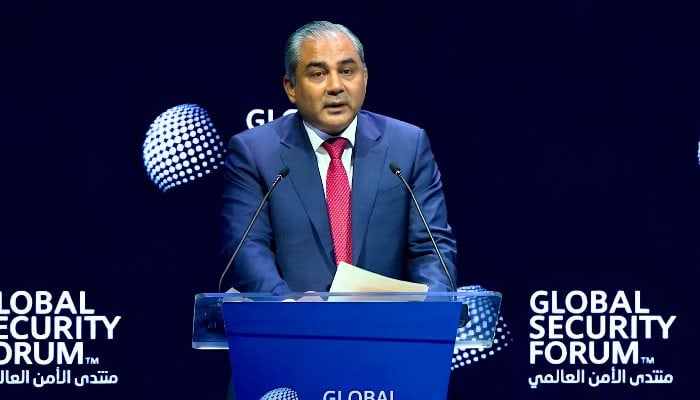
A comprehensive recalibration of diplomatic channels between Washington and Tehran requires persistent engagement, structural confidence-building measures, and institutional patience, according to senior security leadership. Addressing regional security architectures, officials highlighted that resolving longstanding geopolitical standoffs in the Middle East cannot be achieved through sporadic dialogue or transactional bargaining. Instead, durable peace hinges on verifiable commitments, the reduction of proxy confrontations, and an acknowledgment of shifting regional dynamics.
Over the past several quarters, indirect negotiations and backchannel diplomacy have attempted to navigate the complex matrix of nuclear compliance, maritime security in the Strait of Hormuz, and economic sanctions relief. Diplomatic observers note that regional security frameworks are undergoing realignments, particularly following recent diplomatic normalizations across West Asia. However, structural mistrust, domestic political friction within both nations, and sudden military flashpoints continue to pose acute risks to sustained de-escalation, making incremental progress the only viable path forward.
Commercial & Economic Implications
For Pakistan’s macroeconomic environment and commercial distribution networks, the state of US-Iran relations represents a critical variable. Sustained tensions routinely introduce risk premiums into global crude markets, inflating Brent prices and directly driving up fuel and freight costs domestically. Any flare-up in regional waterways threatens critical sea lines of communication through which a significant portion of Pakistan's petroleum imports flow.
On the terrestrial front, cross-border commerce between Pakistan and Iran remains heavily constrained by international financial sanctions. While local barter mechanisms and border markets have provided localized relief across Balochistan, full-scale bilateral trade—particularly involving subsidized energy, liquefied petroleum gas, and industrial inputs—remains well below its real commercial potential. A constructive, sustained thaw between Washington and Tehran could gradually pave the way for formal banking channels, reducing illicit border trading and lowering costs for wholesale distributors across agricultural and consumer retail sectors.
Related Intelligence: Russian Foreign Minister Lavrov Visits Tehran Amid Gulf Maritime Security Crisis
Stakeholder Perspectives & Market Reactions
Commercial stakeholders in Pakistan view these diplomatic statements with cautious realism. The Federation of Pakistan Chambers of Commerce and Industry and regional border trade bodies have persistently advocated for formalized trading arrangements that insulate private enterprise from secondary sanctions. Importers and logistics operators emphasize that fluctuating geopolitical tensions keep transport insurance premiums elevated and currency markets defensive.
Energy analysts stress that a formalized diplomatic settlement would dramatically alter South Asian energy architecture, reviving viability for cross-border infrastructure initiatives that have stalled over sanction concerns. Conversely, conservative policy circles note that absent formal sanctions relief, commercial banking institutions in Pakistan will continue to practice extreme de-risking, limiting cross-border trade transactions to rudimentary barter and cash frameworks despite official overtures toward diplomatic peace.
Forward Outlook & Key Watchpoints
The immediate trajectory of regional stability depends on subsequent technical-level discussions and whether intermediate confidence-building measures can withstand operational friction in maritime corridors. Key watchpoints over the coming months include potential shifts in US sanctions enforcement, operational progress at shared border markets, and the stability of maritime transport lanes.
For enterprise managers and supply chain planners in Pakistan, the evolving situation necessitates active risk monitoring. If sustained engagement translates into measurable de-escalation, domestic markets could witness stabilized energy import bills and expanded bilateral commercial exchange. However, if talks stall once again, elevated logistics costs and currency pressures will continue to weigh heavily on wholesale distribution margins and retail inflation.
Join Our Official WhatsApp Channel
Receive live commodity alerts, policy changes, and commercial intelligence directly on WhatsApp.