
Egyptian Parliament Adjourns Vote on Military Support for Saudi Arabia
Egypt's parliament has delayed a crucial vote authorizing expanded military deployments alongside Saudi Arabia, following pushback from opposition parties over strategic clarity and constitutional mandates.
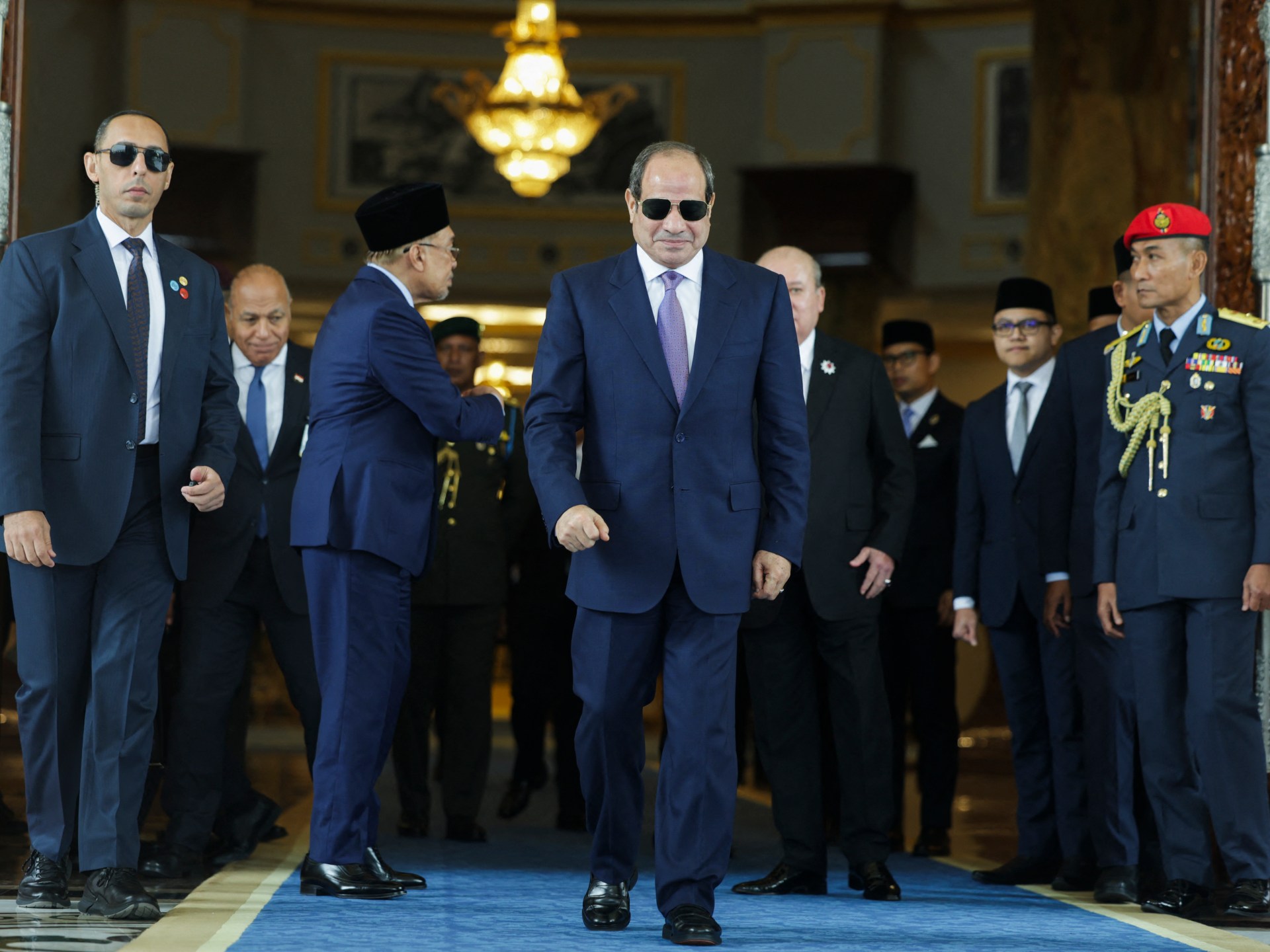
Geopolitical & Core Developments
Cairo witnessed a significant parliamentary impasse this week as lawmakers formally adjourned a legislative session convened to authorize expanded military support for Saudi Arabia. The proposed deployment, intended to bolster Saudi-led regional security initiatives and safeguard strategic littoral corridors, faced immediate resistance from domestic opposition blocs. Prominent minority parties instructed their members to abstain from the proceedings, citing severe ambiguities regarding the precise scope, operational duration, and legal mandates of Egyptian forces deployed abroad.
The legislative friction underscores a delicate balance within Egyptian foreign policy. While the administration in Cairo maintains vital bilateral security ties with Riyadh—underpinned by extensive financial support and bilateral investment packages—domestic policymakers remain cautious regarding foreign entanglements. Historical precedents in Yemen and the Red Sea have fostered deep skepticism within Cairo's political establishment regarding long-term regional conflicts without explicit United Nations mandates or clearly defined exit strategies. The postponement leaves the executive branch in a diplomatic bind, forcing high-level consultations to address legislative reservations before reconvening.
Global Trade & Economic Ripples
The strategic posture of Egypt's armed forces carries immense weight for global commerce, particularly given Cairo's sovereignty over the Suez Canal and its proximity to the Bab el-Mandeb strait. Any institutional hesitation regarding security commitments in the southern Red Sea directly influences risk premiums for commercial shipping operators. Maritime logistics conglomerates continue to monitor Cairo's operational readiness, as international carriers navigate escalated hull insurance premiums and extended transit routes around the Cape of Good Hope.
Beyond shipping lines, global energy and commodity markets are acutely sensitive to the security architecture of the Arabian Peninsula. Saudi Arabia remains a central pillar of OPEC+ crude production, and regional instability routinely introduces supply disruption premiums into benchmark Brent crude futures. A protracted delay in stabilizing coordinated regional security mechanisms threatens to maintain elevated freight rates and inflate import costs for energy-dependent economies across Europe and Asia, while complicating intra-Arab investment frameworks critical to North African development.
Related Intelligence: Alberta Explores Historic Separation Referendum Amid Shifting Global Energy Geopolitics
International Reactions & Diplomatic Stances
Diplomatic dispatches from Gulf capitals reflect quiet frustration at the parliamentary delay, though official spokespeople have characterized the postponement as an internal constitutional process. Officials in Riyadh reiterated that mutual defense pacts and regional stabilization agreements remain indispensable against asymmetric threats targeting civilian maritime navigation and sovereign energy installations.
Conversely, regional political analysts and international legal observers have framed the parliamentary maneuver as an assertion of legislative scrutiny. Multilateral observers at the United Nations have consistently emphasized the necessity of political solutions over foreign military escalations in Middle Eastern flashpoints. Washington and European Union foreign ministries have refrained from direct involvement, reiterating standard diplomatic calls for de-escalation, international rule of law, and uninterrupted freedom of navigation across critical maritime transit corridors.
Strategic Outlook & Future Scenarios
The immediate trajectory hinges on closed-door negotiations between the Egyptian defense establishment, the executive cabinet, and key legislative committee leaders. The administration is anticipated to present an amended, narrower resolution that defines operational parameters strictly around coastal defense, anti-piracy, and humanitarian maritime corridors to overcome parliamentary hesitation.
Should the executive secure sufficient legislative backing, the deployment will likely remain confined to naval and defensive air assets, avoiding ground deployments that evoke historical sensitivities. However, if domestic political friction persists, the delay could signal a more conditional era in Egypt-Gulf security cooperation. Over the coming quarters, international stakeholders will closely watch upcoming bilateral security summits, expecting revised defense frameworks that demand greater operational transparency while attempting to insulate commercial shipping routes from wider regional friction.
Join Our Official WhatsApp Channel
Receive live commodity alerts, policy changes, and commercial intelligence directly on WhatsApp.