
Brazilian Election Crisis Threatens Latin American Market Stability
Brazil's final presidential debate cancellation and Supreme Court bomb scare heighten political instability, threatening Latin American market confidence and key commodity supply chains.
Geopolitical & Core Developments
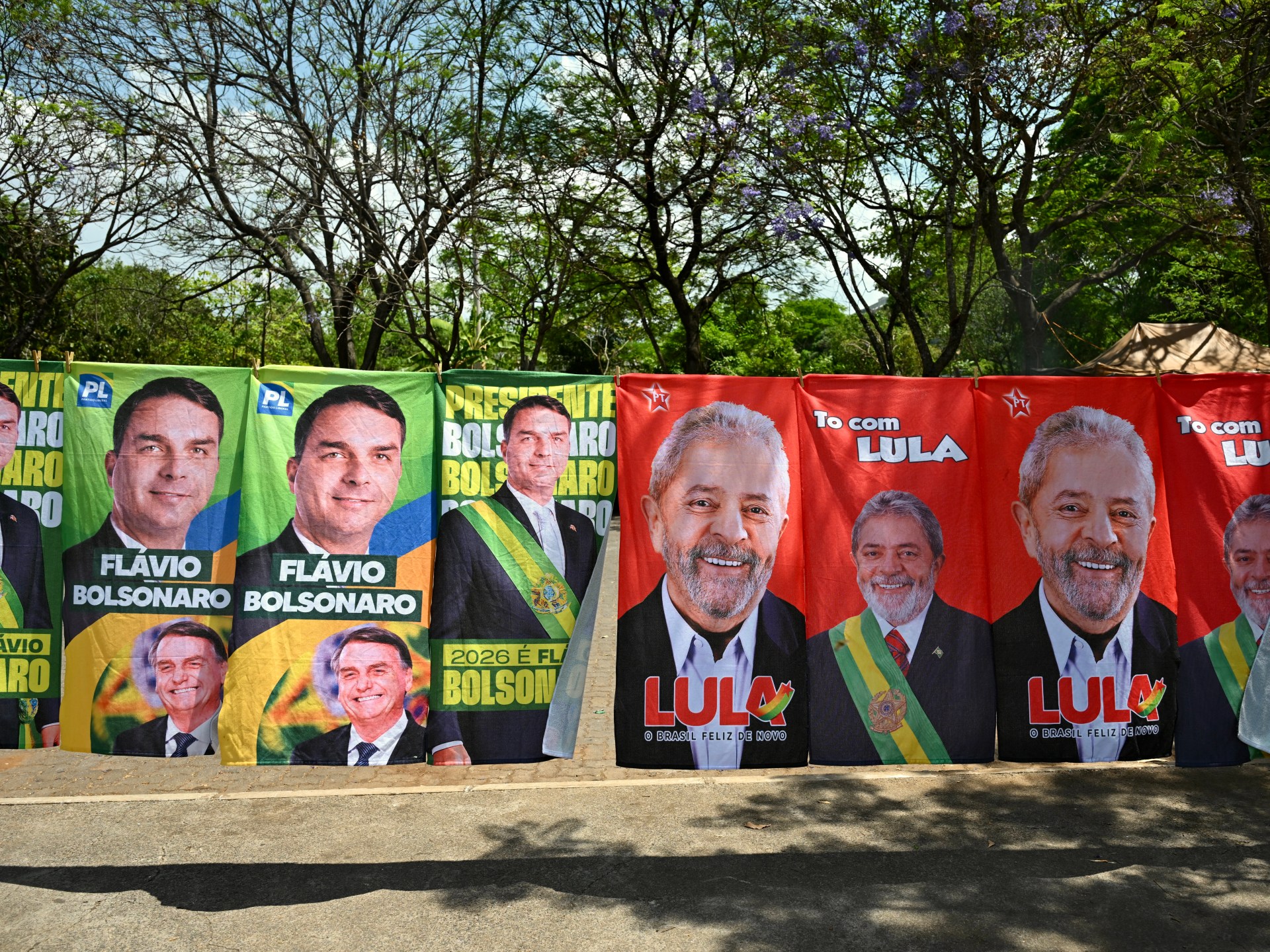
The cancellation of Brazil's final presidential debate, compounded by a high-profile security breach and bomb scare outside the Supreme Court in Brasília, marks a volatile escalation in the nation's high-stakes electoral cycle. As incumbent leaders and opposition challengers trade boycotts and fierce rhetoric, the foundational stability of Latin America's largest democracy faces unprecedented strain. State actors and domestic security forces have been placed on high alert, deploying emergency protocols around key federal institutions. This institutional friction reflects deep polarization within the electorate, transforming a standard democratic transition into a high-risk geopolitical event with far-reaching implications for regional governance and constitutional integrity.
Global Trade & Economic Ripples
For international commodity markets, the deepening political uncertainty in Brasília introduces immediate volatility premiums. Brazil remains a titan in global trade, serving as a primary exporter of iron ore, soybeans, coffee, and vital energy resources. Global supply chains and maritime shipping lanes originating from South American ports are closely monitoring domestic policy trajectories, particularly regarding environmental regulations, agribusiness subsidies, and state-owned enterprise governance such as Petrobras. Currency markets have registered jittery responses, with the Brazilian real experiencing heightened sensitivity against the US dollar as foreign institutional investors reassess sovereign risk and capital allocation strategies across emerging markets.
Related Intelligence: Security Forces Eliminate Seven India-Backed Terrorists in North Waziristan
International Reactions & Diplomatic Stances
Multilateral bodies and international trade partners have expressed cautious concern over the deterioration of Brazil's domestic political discourse. Economic analysts from major global financial institutions have issued advisory notes warning that protracted political instability could delay necessary fiscal reforms and infrastructure investments. While foreign ministries have largely deferred direct commentary on the electoral dynamics to respect national sovereignty, diplomatic delegations in Brasília are maintaining an aggressive monitoring posture. Global investors are particularly sensitive to any signals regarding central bank independence, trade agreements with the European Union and Mercosur, and foreign direct investment protections.
Strategic Outlook & Future Scenarios
As the election reaches its climax, market participants and geopolitical strategists are modeling multiple contingency scenarios. A contested election outcome or prolonged legal challenges regarding institutional legitimacy could suppress foreign capital inflows and stall critical bilateral trade negotiations. Conversely, a decisive mandate accompanied by credible commitments to fiscal discipline and institutional stability could rapidly de-escalate risk premiums. Upcoming regional summits and international trade forums will serve as critical barometers for the incoming administration's foreign policy and economic alignment, determining whether South America's economic anchor enters a phase of cooperative growth or insular protectionism.
Join Our Official WhatsApp Channel
Receive live commodity alerts, policy changes, and commercial intelligence directly on WhatsApp.