
Houthi Strikes on Saudi Aramco Sites Spark Fresh Energy Market Volatility
Coordinated Houthi drone and missile strikes on Saudi Aramco assets in Yanbu and strategic locations in Riyadh have heightened Gulf energy security concerns, presenting acute fiscal risks for petroleum-dependent developing economies including Pakistan.
The Core Development
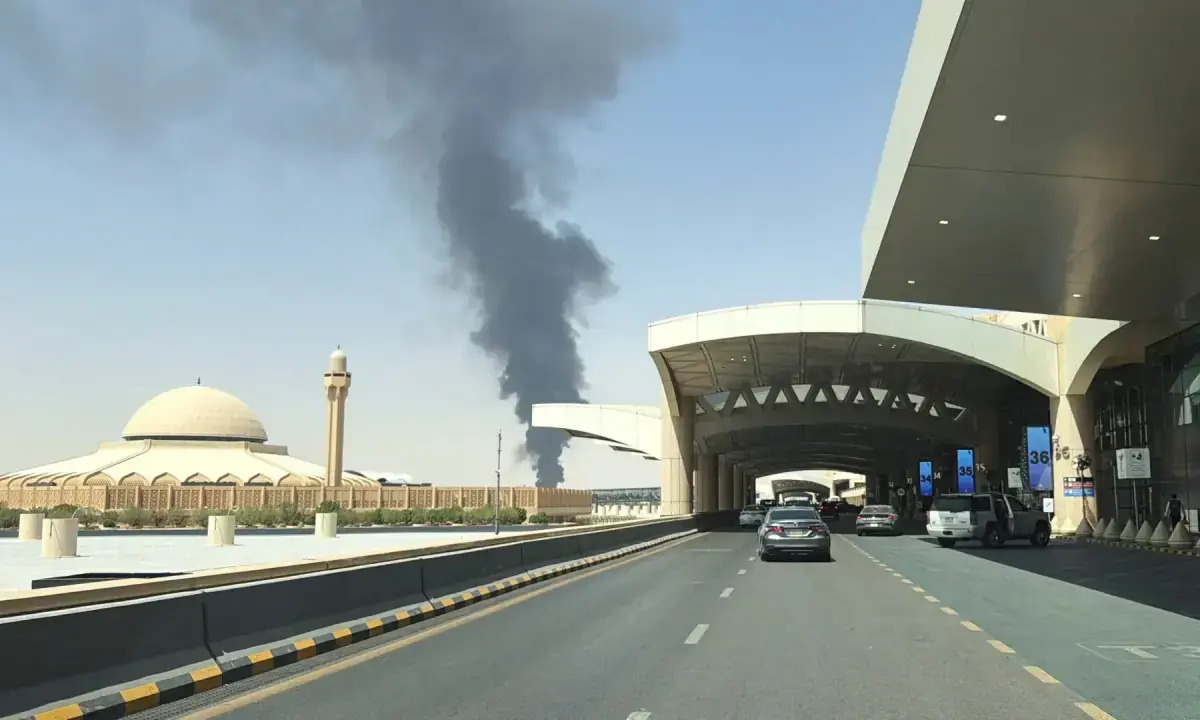
Yemen's Houthi forces have claimed responsibility for a sophisticated, dual-vector military operation targeting administrative centers in Riyadh and key Saudi Aramco refining facilities in the western port city of Yanbu. According to a formal statement delivered via Telegram by Houthi military spokesman Yahya Saree, the cross-border offensive deployed an undisclosed salvo of ballistic missiles, cruise missiles, and long-range uncrewed aerial vehicles (UAVs).
The operational reach into Riyadh marks the first direct threat against the Saudi capital since the recent resumption of active hostilities in Yemen's protracted civil conflict. Eyewitnesses within Riyadh reported multiple atmospheric detonations as regional air defense systems attempted interceptions. Concurrently, the targeting of Yanbu represents a calculated strategic maneuver: located along the Red Sea coast, Yanbu houses major petroleum refineries, petrochemical complexes, and terminal infrastructure designed to bypass traditional Persian Gulf maritime bottlenecks. While Saudi authorities and Aramco have yet to issue detailed operational damage disclosures, the dual strikes signal a severe escalation in regional asymmetric warfare against critical energy infrastructure.
Commercial & Economic Implications
For Pakistan's delicate macroeconomic framework, any sustained disruption or risk re-pricing across Gulf energy corridors poses an immediate fiscal hazard. Pakistan remains critically dependent on Gulf energy imports, with Saudi Arabia serving as a cornerstone supplier of crude oil and petroleum products under bilateral commercial arrangements and deferred payment mechanisms.
An escalation threatening Saudi processing capacity directly drives up global Brent crude benchmarks. In the domestic market, elevated international oil prices translate rapidly into severe current account stress. The federal government, constrained by strict International Monetary Fund (IMF) fiscal benchmarks, possesses limited leeway to absorb higher landed energy costs. Consequently, international crude spikes mandate immediate upward revisions in domestic petroleum, oil, and lubricant (POL) pricing via the Petroleum Development Levy (PDL). For Pakistan's domestic supply chain, rising high-speed diesel rates directly amplify wholesale transport expenditures, inflating haulage rates for bulk agricultural goods, industrial inputs, and fast-moving retail commodities.
Related Intelligence: Govt Holds Emergency Mansoorah Talks as Petroleum Levy Agitation Intensifies
Stakeholder Perspectives & Market Reactions
Domestic commercial bodies and industrial associations have registered immediate caution regarding the development. The Federation of Pakistan Chambers of Commerce and Industry (FPCCI) and regional logistics syndicates have flagged the cumulative impact of rising insurance premiums for regional sea freight. Marine underwriters are already recalibrating war-risk premiums for vessels navigating the Red Sea and adjacent Gulf waters, which inevitably filters into the cost-and-freight (CFR) valuations of imported raw materials.
Energy sector analysts emphasize that Yanbu's positioning is pivotal to Saudi Arabia's East-West crude pipeline contingency route. Compromising the perceived safety of Red Sea export terminals restricts Riyadh's flexibility in rerouting volumes away from the Strait of Hormuz. In response, domestic oil marketing companies (OMCs) within Pakistan are closely reviewing inventory levels to hedge against potential spot-cargo volatility, while agricultural and consumer goods distributors warn that compounded freight adjustments will erode already fragile consumer purchasing power across urban retail markets.
Forward Outlook & Key Watchpoints
The immediate trajectory will hinge upon technical damage assessments emerging from Yanbu and the nature of potential retaliatory military maneuvers by the Saudi-led coalition. Global commodity markets will monitor whether Aramco reports any temporary curtailment of refining runs or export schedules from the Yanbu industrial zone.
Over the coming weeks, key watchpoints include the upcoming bi-weekly pricing determinations by Pakistan's Oil and Gas Regulatory Authority (OGRA), which must calibrate landed cargo costs against rupee exchange-rate stability. Furthermore, policy analysts are monitoring whether Saudi diplomatic and financial arrangements with Islamabad, including the rollover of central bank deposits and deferred oil facilities, remain insulated from the kingdom's expanding defense expenditures. Continued instability will necessitate stringent demand-management protocols and alternative supply contingencies across Pakistan's downstream energy sector.
Join Our Official WhatsApp Channel
Receive live commodity alerts, policy changes, and commercial intelligence directly on WhatsApp.