
Pakistan Scraps Five-Litre Petrol Limit Under Targeted PM Relief Initiative
The federal government has abolished the five-litre per token cap on its targeted petrol relief scheme, streamlining pump logistics and enabling eligible low-income commuters to access their full fuel quotas without multiple retail visits.
The Core Development
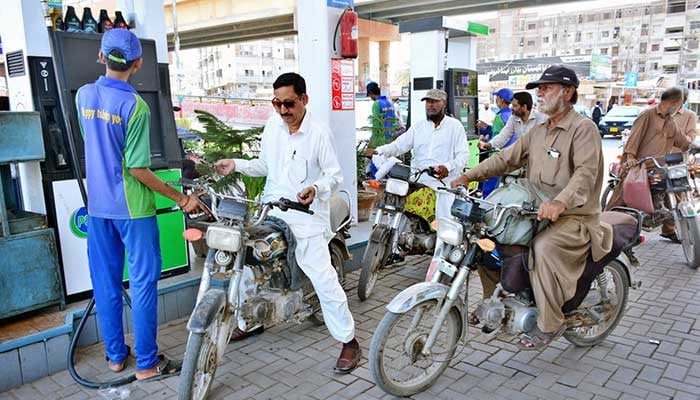
The federal government of Pakistan has formally abolished the five-litre transaction cap per token implemented under the Prime Minister's targeted fuel relief program. The policy adjustment, issued via an official directive from the Ministry of Energy (Petroleum Division) in coordination with the Ministry of Finance, removes the restrictive rationing ceiling that previously governed fuel disbursements at retail petroleum stations across the country.
Under the previous framework, registered low-income beneficiaries—principally motorcyclists, rickshaw operators, and low-horsepower utility vehicle owners vetted through the National Database and Registration Authority (NADRA) and the Benazir Income Support Programme (BISP)—were constrained to purchasing no more than five litres of subsidised petrol in a single transaction. This operational constraint compelled consumers to generate multiple verification tokens and make repeated visits to retail outlets to access their designated monthly fuel allowance. With the abolition of the per-token quota, beneficiaries can now redeem their allocated monthly volume in consolidated transactions, materially streamlining the disbursement process across downstream retail networks.
Commercial & Economic Implications
For Pakistan's downstream petroleum distribution ecosystem, the removal of the five-litre restriction marks a notable operational improvement. Oil Marketing Companies (OMCs) and independent dealer-operated forecourts have faced acute administrative burdens since the rollout of targeted micro-subsidies. High transaction volumes for small fuel quantities placed significant strain on digital point-of-sale (POS) terminals, increased telecom verification latency, and produced extensive forecourt congestion in dense urban corridors including Karachi, Lahore, Rawalpindi, and Faisalabad.
From a working capital and inventory standpoint, retail dealers often contended with cash flow reconciliation delays between transactional subsidy claims and reimbursement disbursements from the Central Directorate of National Savings or the State Bank of Pakistan. Consolidating fuel redemptions into fewer, higher-volume transactions significantly reduces transaction processing fees, minimises point-of-sale communication errors, and improves inventory turnover velocity. Furthermore, for commercial transport operators, including delivery fleets and three-wheeler passenger transit services, the policy eliminates unproductive waiting times, indirectly reducing operational transport overheads amidst persistent domestic inflationary headwinds.
Related Intelligence: Dar Directs Inclusion of All Active Petrol Pumps in Fuel Relief Roster
Stakeholder Perspectives & Market Reactions
The policy revision has drawn widespread praise from downstream fuel retailers. The Pakistan Petroleum Dealers Association (PPDA) had repeatedly petitioned the Petroleum Division to adjust the transaction limit, citing unmanageable forecourt queues and frequent altercation risks between pump staff and consumers during peak demand windows. Industry representatives noted that dispensing micro-quantities of petrol under continuous cellular verification caused severe operational friction at high-throughput urban fuel stations.
Similarly, low-income commercial transport federations welcomed the decision, emphasising that daily wage earners previously lost valuable productive hours queueing multiple times a week to exhaust their token quotas. Conversely, independent energy economists have underscored the heightened need for digital audit safeguards. Market analysts warn that while lifting volume caps per transaction enhances consumer convenience, regulatory authorities must maintain stringent electronic verification to prevent secondary market leakage, wherein subsidised petrol is siphoned or resold to unverified third parties at standard commercial retail prices.
Forward Outlook & Key Watchpoints
Moving forward, the primary operational focus transitions toward retail compliance, fraud mitigation, and macroeconomic fiscal management. The Oil and Gas Regulatory Authority (OGRA), alongside provincial district administrations, will monitor fuel stations to verify that dealers honor the consolidated token redemption without imposing arbitrary station-level quotas.
Concurrently, the Ministry of Finance must closely track subsidy drawdowns to ensure alignment with fiscal consolidation benchmarks agreed with international financial institutions, including the International Monetary Fund (IMF). The government has underscored that the overall monthly volume entitlement per registered citizen remains strictly capped, meaning the total budgetary outlay will not exceed fiscal appropriations. Key watchpoints over the coming quarter include the stability of digital POS infrastructure, prompt OMC subsidy reimbursements, and potential expansions of the verification mechanism to include agricultural tube-well operators and small rural agrarian businesses.
Join Our Official WhatsApp Channel
Receive live commodity alerts, policy changes, and commercial intelligence directly on WhatsApp.