
Saving the International Criminal Court Amid US Sanctions
Washington's punitive measures against the International Criminal Court demand immediate, decisive defensive action rather than passive diplomatic engagement.
Geopolitical & Core Developments
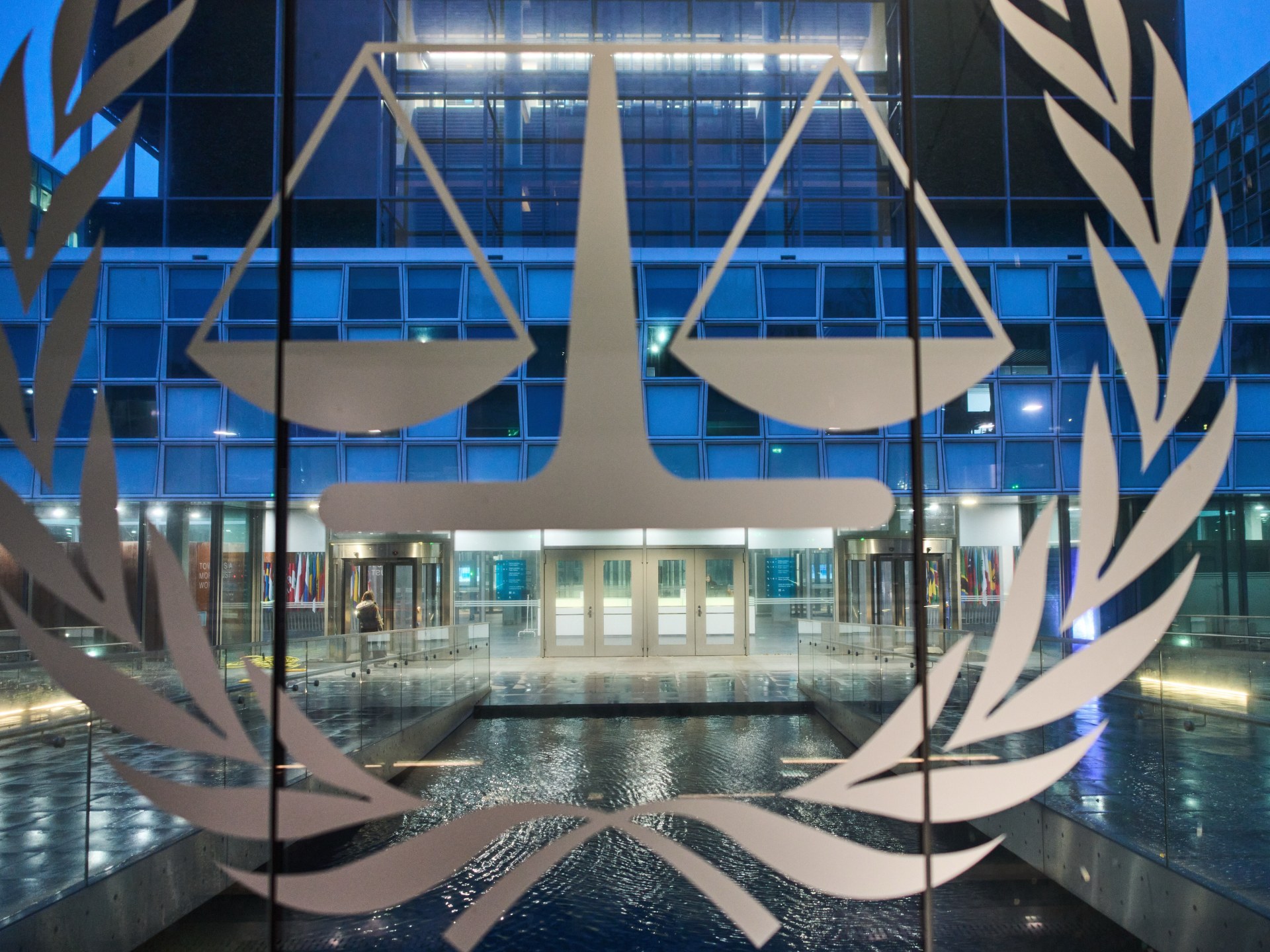
The International Criminal Court (ICC) stands at a defining historical crossroads as it confronts an unprecedented institutional crisis provoked by United States sanctions. For years, the tribunal has operated under the dual pressure of enforcing international humanitarian law and managing hostile relations with major global powers that remain outside the Rome Statute. However, the escalation of targeted punitive measures against court officials has shifted the dynamic from philosophical disagreement to active institutional obstruction. Observers note that relying on traditional diplomatic dialogue with Washington has yielded no meaningful concessions or rollbacks of these restrictive measures. Instead, state parties to the Rome Statute must recognize that passive engagement is insufficient when the foundational architecture of global accountability is under direct legal and financial assault. Safeguarding the court requires a coordinated defensive strategy among European, Latin American, and African member states to reinforce the tribunal's operational sovereignty and protect its personnel from extraterritorial coercion.
Global Trade & Economic Ripples
While the ICC operates primarily within the legal and diplomatic spheres, the secondary economic implications of this geopolitical standoff extend deeply into global trade and financial compliance. Multinational corporations, international financial institutions, and global commodity traders increasingly find themselves navigating a complex web of legal uncertainty. When superpowers impose sanctions on international judicial bodies, compliance departments across major banking hubs must reassess their exposure to jurisdictions involved in cooperation with the court. This friction introduces regulatory compliance costs and heightens risk premiums across international shipping lanes and trade finance channels. Furthermore, protracted diplomatic friction between the United States and European allies over international law enforcement can spill over into broader multilateral trade negotiations, impacting bilateral commercial pacts and supply chain resilience for critical raw materials and energy commodities.
Related Intelligence: Khyber Pakhtunkhwa Emergency Threatens National Economic Stability and Trade
International Reactions & Diplomatic Stances
The standoff has drawn sharp divisions across multilateral institutions and national capitals. Officials at the United Nations have repeatedly emphasized the indispensability of the ICC in maintaining the rules-based international order, warning that undermining judicial independence creates a dangerous precedent for impunity worldwide. Meanwhile, traditional allies of the court, particularly within the European Union, have issued formal declarations defending the tribunal's mandate, though tangible financial and diplomatic countermeasures remain fragmented. Conversely, Washington maintains that its actions are necessary to protect its own military personnel and allied states from what it terms politically motivated overreach. Market analysts and legal experts suggest that this polarized environment complicates international cooperation, forcing emerging economies and non-aligned states to carefully calibrate their diplomatic engagements to avoid retaliatory economic measures from Western financial superpowers.
Strategic Outlook & Future Scenarios
Looking ahead, the trajectory of the ICC will depend heavily on the willingness of its member states to enact structural and financial reforms that insulate the institution from external political pressure. Upcoming diplomatic summits and assemblies of the Rome Statute parties will serve as critical litmus tests for the coalition's unity. If member states fail to establish robust protective mechanisms—such as emergency legal defense funds, alternative financial routing, and unified diplomatic pushback—the court risks severe institutional paralysis. Conversely, a resolute and unified defense could redefine the balance of power between unilateral state coercion and multilateral judicial oversight, setting a vital precedent for the future enforcement of international law and global commercial governance.
Join Our Official WhatsApp Channel
Receive live commodity alerts, policy changes, and commercial intelligence directly on WhatsApp.