
Houthi Missile Strike on Aden Presidential Palace Kills Two
A ballistic missile attack by Houthi forces on Yemen's al-Maashiq Presidential Palace in Aden killed two guards, escalating regional tensions and threatening critical maritime supply chains.
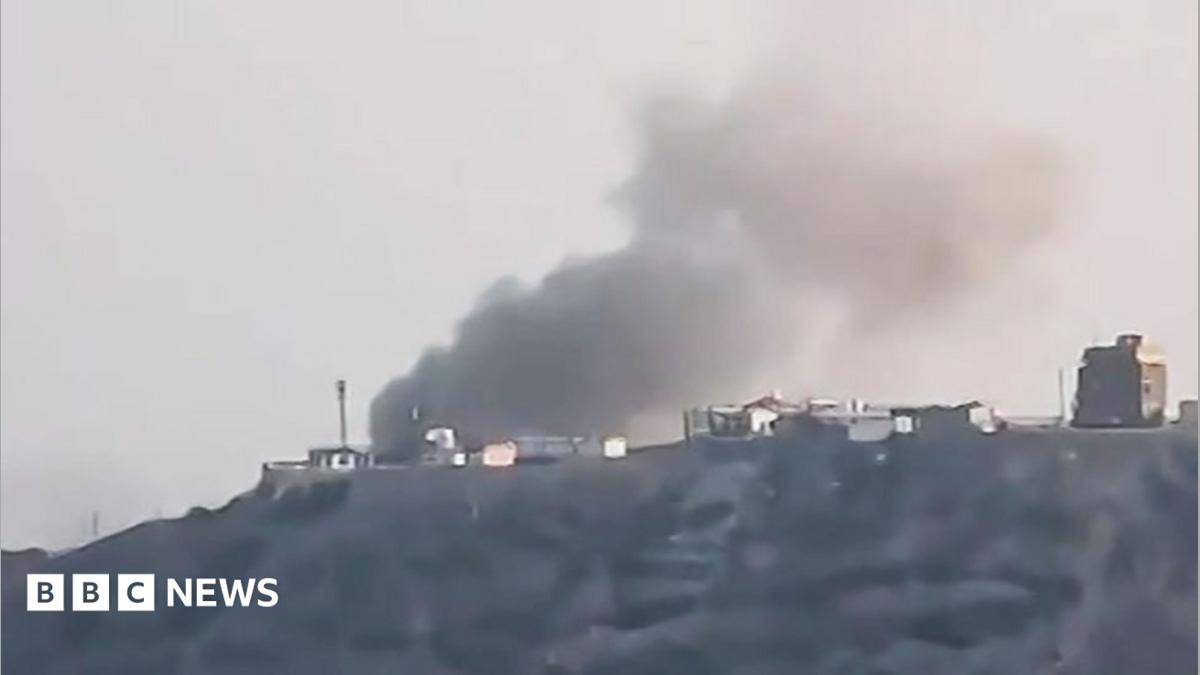
Geopolitical & Core Developments
A ballistic missile attack launched by Yemen's Houthi movement struck the grounds of al-Maashiq Presidential Palace in the southern port city of Aden, killing two security personnel and wounding several others. Yemen's Information Minister confirmed that Prime Minister Ahmed Awad bin Mubarak and several cabinet members present within the compound during the strike were uninjured.
The strike represents a major tactical breach of the interim capital's security perimeter. Al-Maashiq Palace serves as the operational headquarters for Yemen's internationally recognized government and the Presidential Leadership Council (PLC). The incident underscores the persistent vulnerability of state institutions despite localized air defense systems supplied by the Saudi-led coalition.
Tensions across Yemen have intensified sharply amid broader regional instability. While a de facto truce brokered by the United Nations had largely suppressed high-intensity clashes over the past two years, the Houthis have increasingly leveraged their expanding missile and drone inventory. By demonstrating their capability to target senior leadership in Aden directly, the group seeks to consolidate political leverage and disrupt administrative coordination within the anti-Houthi coalition.
Global Trade & Economic Ripples
The attack on Aden carries direct ramifications for international shipping and commercial maritime transit in the Gulf of Aden and the southern Red Sea. Aden overlooks one of the world's most critical maritime choke points, the Bab al-Mandab Strait, through which a significant share of global crude oil, liquefied natural gas (LNG), and containerized freight flows between Asia, the Middle East, and Europe.
Following the strike, marine insurers signaled further upward pressure on war-risk premiums for vessels calling at southern Yemeni ports or transiting the Gulf of Aden. Shipping operators already contending with rerouted voyages around Africa's Cape of Good Hope face compounding operational costs and extended supply delivery timelines. Elevated transit risk in this corridor directly impacts bunker fuel consumption, dry bulk freight rates, and supply-chain predictability for manufactured goods and refined petroleum products.
Regional energy pricing also registered the heightened geopolitical risk premium, as market participants weighed the possibility of reciprocal strikes against offshore energy assets or export infrastructure. Although physical oil output remains unaffected, the volatility reinforces structural risk in Middle Eastern shipping lanes.
Related Intelligence: HRCP Flags Rights Violations as Gaps Threaten Investment and Economic Stability
International Reactions & Diplomatic Stances
The United Nations Special Envoy for Yemen issued a swift condemnation, warning that attacks targeting civilian and political leadership infrastructure jeopardize fragile peace talks. UN mediators emphasized that sustained military escalation risks nullifying progress achieved in confidence-building measures, including public-sector salary disbursements and port access negotiations.
The Saudi Ministry of Foreign Affairs denounced the attack as a deliberate sabotage of stabilization efforts in southern Yemen, reaffirming its defense commitments to the PLC. Western partners, including the United States and the United Kingdom, echoed these concerns, emphasizing that attacks on sovereign governance hubs undermine regional containment strategies.
Conversely, Houthi military representatives framed their actions as a legitimate response to foreign interference and economic blockades, reiterating their stance that the internationally recognized administration lacks governing legitimacy. Market analysts observe that the rhetoric reflects a hardening of bargaining positions on both sides.
Strategic Outlook & Future Scenarios
The immediate trajectory points toward intensified security measures across southern Yemen and potential retaliatory strikes against Houthi launch sites and command nodes in northern provinces. The vulnerability displayed at al-Maashiq could force the Yemeni cabinet to relocate operations or decentralize administrative functions, complicating state governance.
Diplomatically, the strike complicates multilateral efforts led by Oman and the UN to formalize a permanent nationwide ceasefire roadmap. If missile strikes against high-profile southern targets persist, regional powers may recalibrate their containment postures, potentially prompting expanded naval patrols and tighter enforcement of maritime interdiction frameworks aimed at halting illicit weapons transfers. For global logistics networks, prolonged hostilities ensure that Red Sea trade diversion will remain an enduring reality through the medium term.
Join Our Official WhatsApp Channel
Receive live commodity alerts, policy changes, and commercial intelligence directly on WhatsApp.