
Governor Rule Imposed in Khyber Pakhtunkhwa Amid Heightened Security
The federal government has enforced emergency and governor rule across Khyber Pakhtunkhwa, deploying heavy security and disrupting regional logistics as authorities move to maintain administrative control.
The Core Development
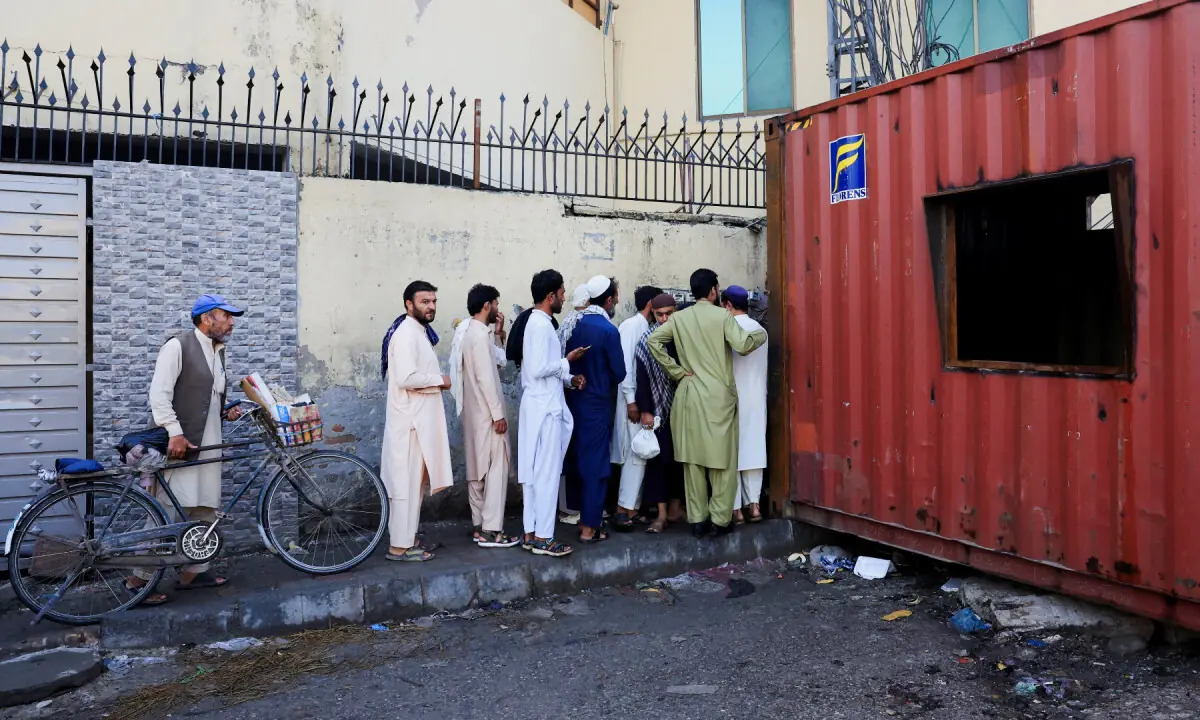
The federal government has formally imposed governor's rule and declared an administrative state of emergency across Khyber Pakhtunkhwa following direct approval from the President of Pakistan. The executive decision, ratified under constitutional emergency provisions, effectively strips the Pakistan Tehreek-i-Insaf (PTI) administration of provincial governing authority and vests executive oversight into the office of the provincial Governor. In the immediate aftermath, Peshawar witnessed an unprecedented administrative lockdown characterized by extensive paramilitary and police deployments across sensitive municipal jurisdictions.
Key arterial roads, including segments linking the provincial capital to the Grand Trunk Road and peripheral ring networks, were blocked using freight containers to preempt political mobilization and civil unrest. While cellular data and broadband internet services were subsequently restored after temporary interruptions, educational institutions remained shuttered on orders of the district administration. Checkpoints have been erected at strategic entry points, establishing a rigid security cordon as federal authorities seek to consolidate operational stability.
Commercial & Economic Implications
The imposition of emergency governance introduces immediate volatility into regional commerce, disrupting supply chain connectivity across northern Pakistan. Khyber Pakhtunkhwa serves as the primary conduit for retail supply lines and wholesale goods distribution feeding both northern domestic markets and regional cross-border trade with Afghanistan. The barricading of major transit arteries has stalled heavy freight movement, creating logistical delays for fast-moving consumer goods, construction materials, and perishable agricultural commodities.
Wholesale distribution hubs in Peshawar report stranded inventory and elevated demurrage charges as intercity freight carriers face prolonged transit times. Prolonged disruption risks driving up wholesale price premiums, passing inflationary pressure directly to local retail consumers. Additionally, the border transit trade facilitated via the Torkham corridor faces processing delays due to heightened scrutiny and transport backlogs, threatening revenue collection and bilateral trade volume at a critical economic juncture.
Related Intelligence: Governor Rule and Custody of KP Leadership Escalate Political Turmoil
Stakeholder Perspectives & Market Reactions
Regional merchant associations and commercial syndicates have voiced profound concern over the economic ramifications of physical blockades. Business leaders in Peshawar noted that prolonged container placements disrupt daily retail footfall, dry up cash liquidity, and inflict substantial revenue losses on micro and small enterprises operating within urban commercial clusters. Chamber representatives have urged the caretaker provincial administration to safeguard transport arteries and protect industrial logistics from political fallout.
Conversely, legal scholars and political factions remain sharply divided over the constitutional validity of invoking emergency rule. Opposition leaders have condemned the measure as an undemocratic intervention aimed at disenfranchising the provincial mandate, warning of potential legal challenges in the superior judiciary. Federal authorities, however, defended the intervention as an indispensable operational necessity to restore public order, protect state assets, and stabilize the provincial governance apparatus.
Forward Outlook & Key Watchpoints
The durability of the emergency framework hinges on immediate judicial reviews and political developments in Islamabad and Peshawar. Legal petitions contesting the constitutionality of the federal decree are anticipated before the Peshawar High Court and the Supreme Court of Pakistan, which will evaluate the executive criteria utilized to justify the imposition of governor's rule.
Over the coming days, market participants and logistics operators must monitor whether the provincial administration eases physical barricades along industrial thoroughfares. If freight transit remains restricted, the operational friction will likely expand into acute regional supply shortages and elevated consumer inflation. Sustained normalization will depend entirely on the federal government's capacity to preserve administrative law and order without suffocating commercial enterprise across Khyber Pakhtunkhwa.
Join Our Official WhatsApp Channel
Receive live commodity alerts, policy changes, and commercial intelligence directly on WhatsApp.