
Ukrainian Energy Sites Hit Despite Ceasefire Claims, Straining Diplomatic Fronts
Ukrainian President Volodymyr Zelensky confirmed strikes on six domestic energy facilities following ceasefire claims by Washington, underscoring persistent operational and geopolitical volatility across Eastern European energy transit corridors.
Geopolitical & Core Developments
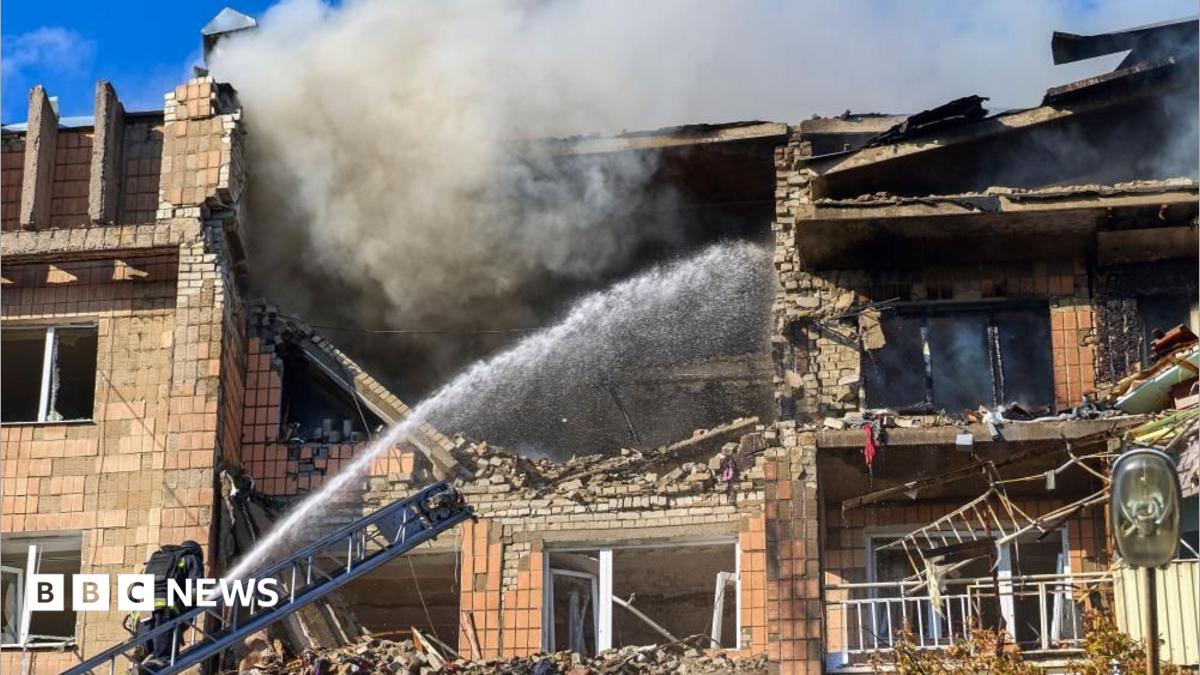
Ukrainian President Volodymyr Zelensky stated that Russian military forces targeted at least six critical energy infrastructure installations across Ukraine shortly after declarations from the United States administration suggesting an informal cessation of hostilities directed at power networks. According to Ukrainian operational command and state utility operators, the strikes involved combined missile and drone salvos intended to degrade electrical transmission grids, substations, and generation capacities in key administrative regions.
The development marks an immediate stress test for diplomatic maneuvers led by Washington under President Donald Trump, who recently claimed understandings were reached regarding the protection of civilian power grids. Kyiv maintained that despite international rhetoric regarding selective de-escalation, Moscow has continued calibrated strikes against dual-use utility networks. The strategic stakes remain severe; Ukraine's electrical architecture has already sustained billions of dollars in structural damage over consecutive winter campaigns, operating under severe capacity deficits supported largely by decentralized generation and emergency interconnectors with the European Union.
Global Trade & Economic Ripples
The ongoing degradation of Ukraine's utility network carries direct commercial implications for broader European power markets and regional commodity logistics. Although direct transits of Russian natural gas via Ukraine remain constrained, the risk of destabilized regional power flows has prompted European utilities to reassess balancing reserves ahead of seasonal demand shifts. Persistent disruptions require Ukraine to import emergency electricity from neighboring EU member states, including Poland, Slovakia, and Romania, tightening capacity margins on the continental power exchange.
Furthermore, heightened kinetic activity around industrial and transport hubs disrupts inland supply chains vital to agricultural and metallurgical exports. Cargo flows along the Black Sea maritime corridor and Danube River ports depend heavily on reliable coastal electrical grids to sustain grain terminal elevators and rail freight logistics. Any prolonged shutdown of transshipment infrastructure introduces marginal premiums into international wheat, corn, and fertilizer trading, while increasing insurance underwriting rates for commercial shipping traversing northern Black Sea routes.
Related Intelligence: Northern Israel Explosion Highlights Regional Risks and Commodity Market Vulnerabilities
International Reactions & Diplomatic Stances
Reactions from major capitals and multilateral organizations reflect growing skepticism over unverified bilateral agreements. In Washington, foreign policy advisors continue to press for broader frameworks toward conflict cessation, while lawmakers in the United States Congress reiterated concerns that Moscow exploits diplomatic ambiguity to sustain tactical offensives without incurring new punitive measures.
European Union foreign policy officials condemned the continued bombardment of civilian utilities, reiterating commitments to deliver emergency electrical hardware, high-voltage transformers, and decentralized generation units through the Energy Support Fund. United Nations monitors warned that repeated assaults on essential municipal infrastructure systematically infringe international humanitarian law, increasing displacement pressures and heightening winter humanitarian vulnerabilities. Meanwhile, market analysts and geopolitical risk consultancies emphasized that unilateral announcements without verifiable monitoring frameworks fail to provide actionable security guarantees for institutional investors or logistics operators.
Strategic Outlook & Future Scenarios
The trajectory of the conflict appears dictated by an operational disconnect between high-level diplomatic posturing and frontline realities. Over the coming quarters, international stakeholders are expected to assess whether diplomatic pressure can establish formalized, monitored ceasefires specifically ring-fencing energy facilities and export infrastructure.
Should strikes continue unabated, Western partners will likely face renewed calls to tighten secondary sanctions against illicit maritime oil shipping networks and bolster Ukraine's air defense coverage over core logistics arteries. Alternatively, if negotiations progress toward structured trilateral talks, initial confidence-building measures will inevitably require third-party verification protocols to monitor utility corridors. Until such frameworks materialize, the Eastern European energy landscape remains an acute vulnerability for European regional security and international commodity market stability.
Join Our Official WhatsApp Channel
Receive live commodity alerts, policy changes, and commercial intelligence directly on WhatsApp.