
Pakistan Imposes Governor Rule in Khyber Pakhtunkhwa Amid Mounting Crisis
Pakistan's federal government has imposed emergency governor rule over the opposition-held Khyber Pakhtunkhwa province, compounding geopolitical friction and threatening fragile domestic stability.
Geopolitical & Core Developments
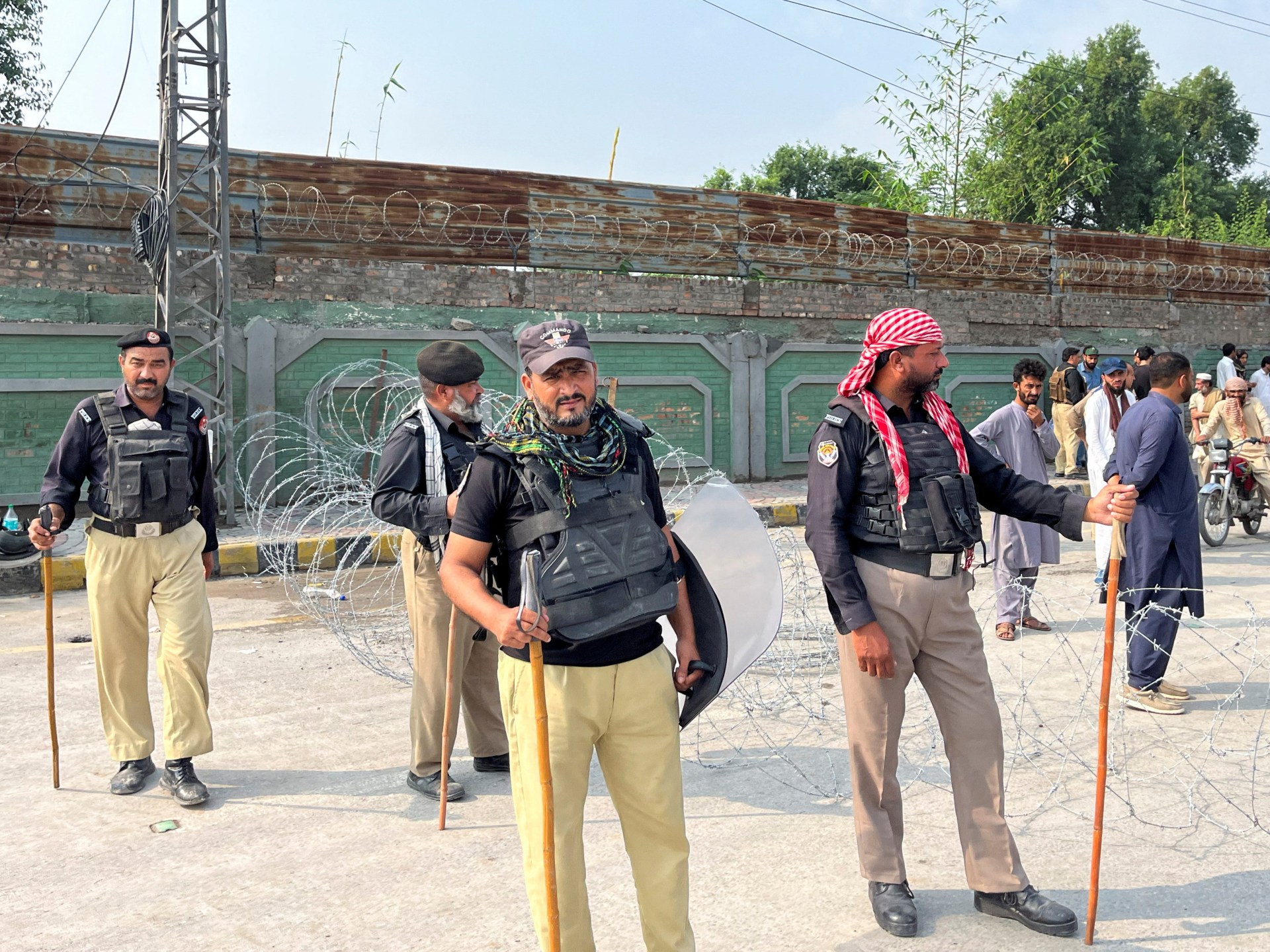
In a decisive constitutional intervention, Pakistan's federal government has invoked emergency powers to impose governor rule over the northwestern province of Khyber Pakhtunkhwa (KP). The territory, historically governed by the Pakistan Tehreek-e-Insaf (PTI) party loyal to imprisoned former Prime Minister Imran Khan, represents the epicenter of institutional friction between regional authorities and the central government in Islamabad. Under Article 234 of Pakistan's constitution, the provincial assembly's legislative independence has been curtailed, transferring executive authority to the federally appointed governor.
The administrative takeover follows months of escalating civil unrest, contentious judicial battles, and public protests spearheaded by PTI leadership. Islamabad justified the intervention by citing administrative gridlock, deteriorating internal security, and provincial non-cooperation with federal directives. However, opposition figures and legal experts contend the maneuver bypasses the democratic franchise to neutralize political dissent. The move deepens constitutional confrontation in a province directly bordering Afghanistan, raising serious questions about governance across a sensitive frontier beset by renewed insurgent activity.
Global Trade & Economic Ripples
The central government's heavy-handed administrative intervention has intensified volatility across Pakistan's financial instruments, impacting its sovereign debt yield curve and putting downward pressure on the Pakistani rupee. For foreign investors, political unpredictability remains the chief deterrent to foreign direct investment. Khyber Pakhtunkhwa serves as a vital conduit for cross-border transit trade into landlocked Central Asian republics and Afghanistan; administrative instability threatens cargo clearing efficiency at major land ports such as Torkham.
Furthermore, the region hosts critical infrastructural nodes of the multi-billion-dollar China-Pakistan Economic Corridor (CPEC). Heightened civil polarization and intermittent highway blockades disrupt logistical networks, inflating supply chain costs for dry bulk commodities, agricultural shipments, and construction inputs. Global commercial partners monitoring Pakistan's balance of payments recognize that internal unrest impedes tax consolidation and energy sector reforms stipulated by multilateral financiers, jeopardizing macro-fiscal targets.
Related Intelligence: Constitutional Friction and Market Stability Amid Khyber Pakhtunkhwa Governance Standoff
International Reactions & Diplomatic Stances
Regional partners and international development institutions are monitoring the constitutional impasse closely. The International Monetary Fund (IMF), which recently cleared an Extended Fund Facility to avert sovereign default, emphasizes institutional cohesion as a baseline for structural economic reforms. Sources close to multilateral lending agencies indicate concerns that protracted internal discord could weaken fiscal compliance and revenue collection targets.
Diplomatic missions in Islamabad, including Western envoys and regional embassies from Beijing to Riyadh, have signaled the necessity of preserving constitutional norms and the rule of law. Chinese officials have maintained strategic communication with federal counterparts, underscoring the paramount requirement of security for transnational infrastructure projects and engineering personnel operating across northern and western Pakistan. Meanwhile, international rights monitors have raised alarms regarding arbitrary detentions and restrictions on civil liberties enacted during the emergency transition.
Strategic Outlook & Future Scenarios
The imposition of governor rule represents a high-stakes gamble for the ruling coalition in Islamabad. In the immediate term, legal challenges are expected to reach the Supreme Court of Pakistan, where judicial interpretations could either sustain the federal intervention or invalidate it as an unconstitutional overreach. Should the judiciary overturn the decree, the federal government faces a severely galvanized opposition apparatus across provincial heartlands.
Conversely, a sustained period of federal direct rule risks inflaming grassroots resistance, amplifying the likelihood of prolonged general strikes and security confrontations. Given the fluid security architecture along the Durand Line, governance vacuums may complicate counter-insurgency operations against non-state militant networks. As Islamabad attempts to consolidate administrative command, the coming weeks will determine whether Pakistan can preserve its delicate macroeconomic stabilization or slide into a deeper, self-inflicted systemic governance crisis.
Join Our Official WhatsApp Channel
Receive live commodity alerts, policy changes, and commercial intelligence directly on WhatsApp.