
Governor Rule and Custody of KP Leadership Escalate Political Turmoil
The imposition of Governor Rule in Khyber Pakhtunkhwa and the detention of provincial leadership have heightened political instability, clouding regional trade corridors and market sentiment.
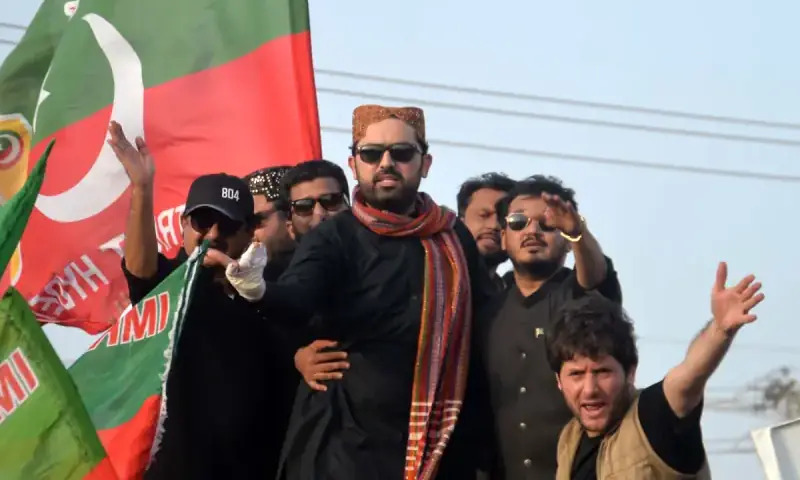
The Core Development In an extraordinary constitutional intervention, the federal administration in Islamabad has invoked Articles 232 and 234 of the Constitution of Pakistan, imposing emergency provisions and Governor Rule across [Khyber Pakhtunkhwa](/news/pakistan-imposes-governor-rule-khyber-pakhtunkhwa-political-crisis) (KP). The proclamation followed formal approval by the President on the advice of the federal cabinet, citing persistent breakdowns in provincial security governance and alleged operational inertia regarding counter-terrorism mandates by the Pakistan Tehreek-e-Insaf (PTI)-led provincial executive.
Within hours of the formal notification, law enforcement personnel placed suspended KP Chief Minister Sohail Afridi, alongside the provincial Assembly Speaker and several cabinet members, into preventive custody. Police officials confirmed that the detentions were executed under administrative security statutes to forestall widespread civil unrest and preempt retaliatory mobilization. Provincial executive functions have been transferred to the Governor's office, temporarily dissolving administrative autonomy and subordinating regional law enforcement directly to federal oversight.
Opposition factions and allied political blocs have vocally condemned the federal maneuver. Leaders within the opposition alliance characterized the enforcement of Article 234 as an unconstitutional usurpation of democratic mandates, warning that centralized command over the border province will exacerbate political friction and trigger widespread constitutional litigation before the superior courts.
Commercial & Economic Implications The administrative shakeup carries immediate and substantial consequences for Pakistan's wholesale logistics and transit trade architecture. Khyber Pakhtunkhwa serves as the primary geographic artery for bilateral commerce with Afghanistan and wider Central Asian markets through key border terminals, including Torkham and Ghulam Khan. The sudden suspension of civil governance threatens to disrupt clearance mechanisms, freight transit protocols, and revenue realization targets managed by regional checkpoints.
Wholesale distribution networks operating across Peshawar, Mardan, and Swat face heightened uncertainty. Inter-provincial supply lines for perishable agricultural commodities, industrial raw materials, and fast-moving consumer goods (FMCG) risk logistical bottlenecks if political demonstrations block major transit arteries like the Grand Trunk Road and the Islamabad-Peshawar Motorway (M-1). Regional logistics operators indicate that freight insurance premiums and localized transport tariffs frequently surge during episodes of direct federal rule, compounding inflationary pressures for retail distributors and end consumers across northern Pakistan.
Related Intelligence: LHC Orders Medical Access for Detained Kin Amid Growing Political Friction
Stakeholder Perspectives & Market Reactions Financial and commodity markets reacted with marked caution to the developments. Business councils and commercial associations in Peshawar have issued urgent appeals for operational continuity, warning that arbitrary security detentions and administrative confusion will paralyze provincial retail business and undermine the regional banking sector.
"Political volatility directly translates into delayed shipments, demurrage accumulation at transit hubs, and liquidity crunches across wholesale markets," noted an executive representing northern trading syndicates. Legal experts have also weighed in, highlighting that the federal invocation of emergency provisions under Article 232 remains vulnerable to judicial scrutiny, as past precedents require empirical validation of an imminent threat that provincial machinery cannot manage.
Market participants outside KP, including industrial syndicates in Karachi and Lahore, are monitoring the political fallout closely. Any disruption in inter-provincial logistics risks triggering local supply shortfalls, elevating wholesale prices of cement, minerals, and FMCG products traditionally routed through the northern corridor.
Forward Outlook & Key Watchpoints The trajectory of the crisis hinges upon multiple interconnected timelines over the coming days. The legal viability of the federal notification will face direct challenges in the high courts and potentially the Supreme Court of Pakistan, where petitions challenging the preventive detentions and the legality of the Governor Rule proclamation are expected to be filed on an expedited basis.
Key monitorables include: 1. Operational efficiency and cargo clearance volumes at the Torkham border terminal under federal security deployment. 2. The frequency and economic impact of localized transport strikes or highway blockades initiated by regional political cadres. 3. The posture of law enforcement agencies regarding potential public demonstrations across major commercial hubs in KP. 4. Federal fiscal disbursements to the province to ensure public sector salaries and essential development spending proceed without liquidity interruptions.
Sustained administrative confrontation will likely discourage fresh private capital deployment in the province, leaving economic stakeholders to navigate elevated regulatory uncertainty until constitutional balance is formally restored.
Join Our Official WhatsApp Channel
Receive live commodity alerts, policy changes, and commercial intelligence directly on WhatsApp.