
Greek Youth Protests Over Education Spending Challenge Fiscal Reforms
Thousands of Greek students and teachers have rallied nationwide against underfunded public schools, exposing underlying social frictions and testing Athens' commitment to post-bailout fiscal restraint.
Geopolitical & Core Developments
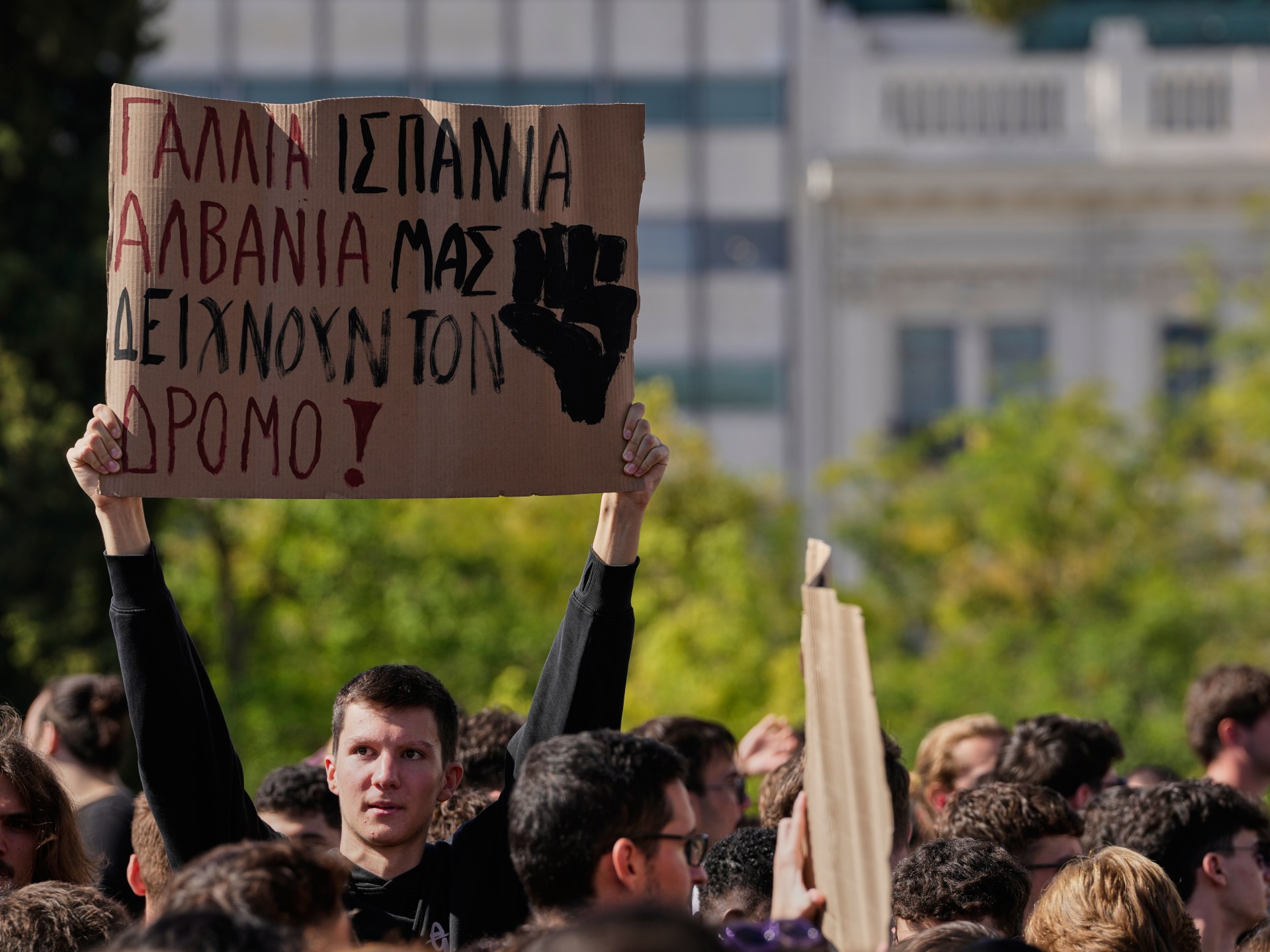
Across Athens, Thessaloniki, and other major metropolitan centers, tens of thousands of educators and secondary school students took to the streets this week, staging synchronized demonstrations to protest chronic underfunding in Greece's public education infrastructure. The mobilizations, orchestrated primarily by the Federation of Secondary School Teachers (OLME) alongside student syndicates, highlight deep-seated public discontent lingering from a decade of economic austerity.
Demonstrators rallied outside the Hellenic Parliament in Syntagma Square, voicing opposition to overcrowded classrooms, dilapidated municipal facilities, and an overstretched teaching workforce. For the conservative administration of Prime Minister Kyriakos Mitsotakis, the protests present a delicate domestic challenge. Since exiting European stability mechanisms, Athens has prioritized fiscal consolidation, debt reduction, and securing investment-grade sovereign credit ratings. However, public sector investment has lagged, fostering growing domestic pushback. The unrest parallels wider European youth-led mobilizations, where demographic pressure and declining public services are straining domestic stability.
Global Trade & Economic Ripples
While localized educational strikes do not directly disrupt international maritime corridors or energy transit through Greek hubs like the Port of Piraeus, the macroeconomic ramifications remain tangible. Greece's post-pandemic recovery has been anchored in political stability and administrative predictability, attracting significant private equity and foreign direct investment into energy transition projects, real estate, and digital infrastructure.
Escalating civil unrest threatens this narrative, introducing sovereign risk premiums that institutional investors monitor closely. Prolonged social instability can depress domestic consumer sentiment, contract retail activity in urban centers, and complicate national budget execution. Furthermore, continued underinvestment in human capital risks weakening Greece's long-term economic competitiveness, curbing labor productivity gains essential for rebalancing southern Europe's export-oriented service economies.
Related Intelligence: Catalan Far-Right Surge Reshapes Spanish Electoral Dynamics and European Stability
International Reactions & Diplomatic Stances
European Union observers and credit rating agencies are tracking developments with measured caution. In Brussels, European Commission officials maintain that Greece must adhere strictly to the newly reinstated European Fiscal Framework, which mandates structural deficit limits and disciplined public expenditure. While EU bodies acknowledge the social hardships of protracted budget compression, they prioritize medium-term debt sustainability.
Human rights organizations and European trade union confederations, including the European Trade Union Committee for Education (ETUCE), issued statements in solidarity with Greek educators, urging Athens to allocate a higher percentage of gross domestic product to public schooling. Political analysts note that Greece's educational spending as a share of GDP remains among the lowest in the OECD, providing legitimate ammunition to domestic opposition parties and labor federations.
Strategic Outlook & Future Scenarios
Moving forward, the Mitsotakis government faces an intricate balancing act between enforcing fiscal discipline and defusing social volatility. An immediate policy reversal remains improbable, as the finance ministry is committed to generating robust primary budget surpluses to appease international debt markets. Consequently, low-level civic friction and organized work stoppages are projected to persist throughout the academic year.
Should the demonstrations coalesce with broader labor grievances over inflation and real wage stagnation, Greek authorities may be forced to introduce targeted social spending packages in upcoming budget adjustments. Internationally, systemic risk remains contained, but prolonged street protests could dampen tourism revenues and elevate domestic risk perception, underscoring the enduring social costs of southern Europe's post-crisis fiscal architecture.
Join Our Official WhatsApp Channel
Receive live commodity alerts, policy changes, and commercial intelligence directly on WhatsApp.