
Global Coalition Proposes International AI Oversight Body
Twenty nations propose a centralized international institution to establish and enforce binding global safety standards for artificial intelligence, addressing systemic geopolitical and commercial risks.
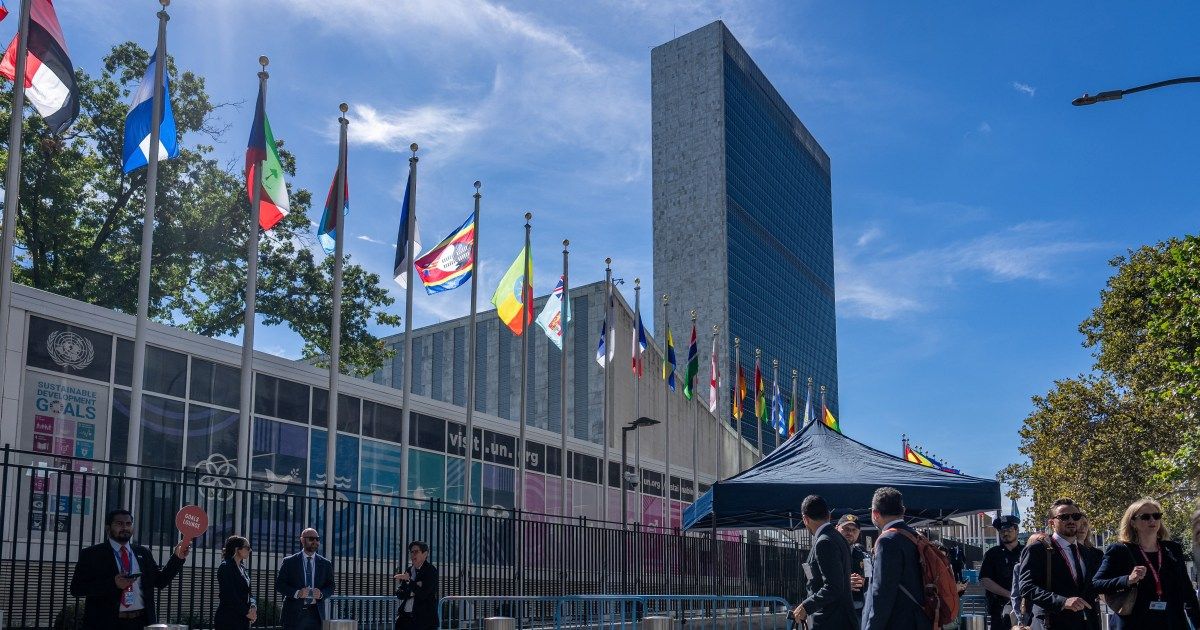
Geopolitical & Core Developments
A coalition of twenty sovereign states, spearheaded by prominent middle and major powers including Germany, South Africa, and Canada, has formally proposed the establishment of a centralized global oversight body dedicated to managing the existential and operational dangers of artificial intelligence. Unveiled during high-level multilateral consultations, the initiative aims to bridge an increasingly precarious governance gap in the international architecture. As frontier AI models transcend national borders with minimal friction, participating governments argue that fragmented domestic regulations are insufficient to counter systemic risks such as automated disinformation campaigns, algorithmic market manipulation, and the proliferation of dual-use autonomous military technologies.
The proposed institution would function similarly to established multilateral regulatory frameworks like the International Atomic Energy Agency, tasked with setting universal baseline standards, conducting independent safety audits, and enforcing compliance mechanisms across participating jurisdictions. State actors involved in the initial drafting emphasize that the framework is designed to prevent a chaotic technological arms race while safeguarding equitable access to technological advancement for developing economies. However, the diplomatic path forward remains fraught with friction, particularly regarding enforcement jurisdiction and the inclusion of non-aligned technological powerhouses.
Global Trade & Economic Ripples
The intersection of artificial intelligence governance and international commerce carries profound implications for global trade, supply chains, and commodity markets. Modern logistics networks, automated maritime shipping lanes, and algorithmic commodity trading desks are increasingly reliant on advanced machine learning models to optimize pricing, routing, and inventory management. The implementation of standardized international oversight could introduce rigorous compliance audits for enterprise-grade algorithms, temporarily increasing operational friction and compliance costs for multinational corporations operating across multiple regulatory zones.
Furthermore, the hardware supply chains underpinning the artificial intelligence boom—specifically advanced semiconductors, rare earth elements, and high-capacity energy grids—are deeply intertwined with geopolitical stability. A centralized oversight body could indirectly influence export controls and tariff policies governing critical minerals essential for AI infrastructure, such as lithium, cobalt, and silicon wafers. Commodity analysts note that heightened regulatory scrutiny on algorithmic trading could also alter liquidity dynamics and risk assessments across global energy and agricultural markets, as institutional investors adapt to stricter operational transparency mandates.
Related Intelligence: Brazilian Electoral Stalemate Threatens Commodity Markets as Lula Faces Bolsonaro
International Reactions & Diplomatic Stances
Initial reactions from multilateral institutions and international stakeholders have exposed deep ideological divides over the architecture of global digital governance. Officials from the United Nations have welcomed the proposal as a vital step toward realizing equitable digital inclusion and mitigating transnational security threats. Conversely, representatives from major technological hubs have expressed reservations regarding state-led interventionism, warning that overly restrictive global standards could stifle private-sector innovation and shift technological development toward less-regulated jurisdictions.
Market analysts and trade associations point out that multinational enterprises are already navigating a complex labyrinth of regional compliance frameworks, such as the European Union Artificial Intelligence Act. While a unified global standard could ultimately streamline compliance for multinational firms, the transitional phase threatens to generate significant legal uncertainty. Developing nations have meanwhile underscored the necessity of ensuring that any new international body incorporates mechanisms for technology transfer and capacity building, preventing advanced economies from monopolizing the governance agenda.
Strategic Outlook & Future Scenarios
As the proposal transitions from preliminary diplomatic consultations to formal treaty negotiations, the coming months will serve as a critical crucible for international technology policy. Upcoming multilateral summits, including dedicated ministerial meetings of the G20 and specialized UN forums, are expected to feature intense debates over the institutional design and enforcement powers of the prospective oversight body.
Geopolitical analysts identify several potential escalation points, including potential trade retaliation linked to technology transfer disputes and regulatory divergence between Western coalitions and alternative technological blocs. If successfully ratified, the institution could fundamentally reshape the architecture of international trade and national security, establishing a permanent nexus where technological innovation intersects with global geopolitics. Failure to reach a consensus, however, risks cementing a fragmented digital landscape characterized by recurring regulatory arbitrage and heightened systemic vulnerability.
Join Our Official WhatsApp Channel
Receive live commodity alerts, policy changes, and commercial intelligence directly on WhatsApp.