
Middle East Conflict Cripples Basra Oil Hub, Threatening Trade
Escalating Middle East hostilities and maritime blockades have crippled Iraq's Basra oil hub, forcing widespread layoffs, halting transport, and threatening regional supply chains.
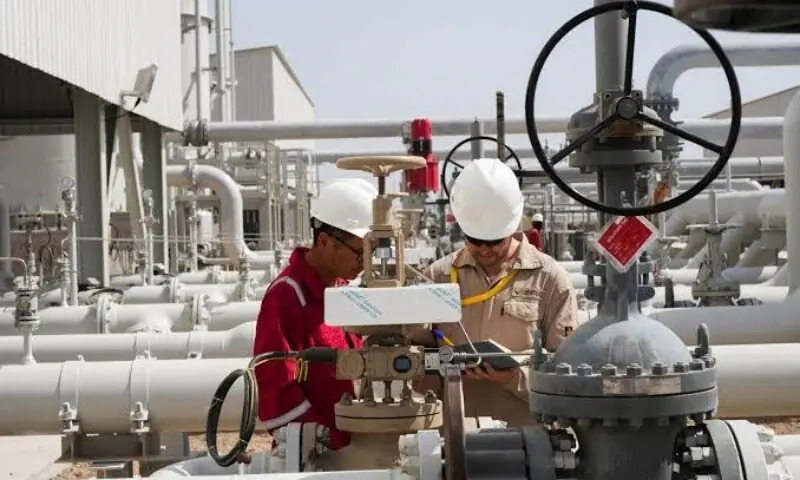
The Core Development
In the heart of Iraq's principal oil-producing region, the once-bustling industrial city of Basra has ground to a near-halt as the cascading fallout of the broader Middle East war takes a severe toll on local infrastructure. Months of escalating maritime security threats, most notably Iran's strategic chokehold on Gulf oil exports through the critical Strait of Hormuz, have effectively immobilized commercial shipping and industrial throughput. Basra, which has historically served as the indispensable engine of Iraq's hydrocarbon-driven economy, now bears the heavy scars of regional instability.
Maintenance contractors, logistics firms, and port operators report an unprecedented slump in daily activities. Operations at major oil fields and the vital Umm Qasr cargo port have been radically scaled back. For workers on the ground, the reality is stark. Maintenance contractor Fawzi, speaking to international news agencies, noted that entire weeks pass without a single assignment. With crude oil extraction curtailed and logistics networks paralyzed, the physical infrastructure requiring maintenance has dwindled, rendering skilled technical work obsolete under the current security paradigm.
Commercial & Economic Implications
For import-dependent and regional economies such as Pakistan, the disruption of Gulf maritime trade routes and the constriction of Iraqi crude supply chains carry profound economic repercussions. The blockage in the Strait of Hormuz directly threatens global energy price stability, driving up the cost of imported petroleum products and compounding inflationary pressures across South Asian retail and wholesale markets. When vital energy arteries in the Middle East experience blockades, the ripple effects immediately translate into surging freight charges, higher manufacturing input costs, and inflated retail prices for consumers.
Furthermore, the slowdown at ports like Umm Qasr disrupts broader bilateral trade corridors and regional supply matrices. As transport fleets stand idle and supply contracts face abrupt cancellations, commercial distributors across the region face severe liquidity crunches. Pakistan's industrial sector, heavily reliant on stable energy imports and uninterrupted maritime logistics, must navigate heightened price volatility and potential supply deficits as Middle Eastern producers struggle to meet export quotas.
Related Intelligence: G7 Demands Iran Halt Houthi Support Amid Energy Security Threats
Stakeholder Perspectives & Market Reactions
Industry bodies, trade associations, and corporate stakeholders are voicing deep alarm over the protracted nature of the maritime blockades. Commercial logistics operators and independent contractors in Basra report catastrophic revenue losses, forcing private enterprises to implement aggressive cost-cutting measures, including extensive workforce reductions and deep salary slashes. Labor unions have called for urgent intervention, warning that prolonged operational paralysis will push thousands of families into acute economic distress.
Financial analysts and market observers point out that the private sector bears the brunt of the crisis, as state-backed energy frameworks absorb initial shocks while subcontractors are left financially exposed. International shipping associations and insurance underwriters have simultaneously raised risk premiums for vessels navigating the Persian Gulf and surrounding waters, further compounding the financial viability of commercial voyages originating from Iraqi terminals.
Forward Outlook & Key Watchpoints
Looking ahead, the recovery trajectory of the Basra oil hub depends entirely on the stabilization of regional security and the reopening of secure transit corridors through the Strait of Hormuz. Policymakers and industry analysts are closely monitoring diplomatic efforts aimed at de-escalating maritime hostilities and restoring unfettered access to international shipping lanes. Without a definitive diplomatic breakthrough and the resumption of normal crude export volumes, the economic malaise gripping southern Iraq is projected to deepen, with compounding spillover effects for global energy markets and regional trade partners throughout the coming quarters.
Join Our Official WhatsApp Channel
Receive live commodity alerts, policy changes, and commercial intelligence directly on WhatsApp.