
US Aviation Crisis Halts East Coast Air Traffic and Disrupts Global Supply Chains
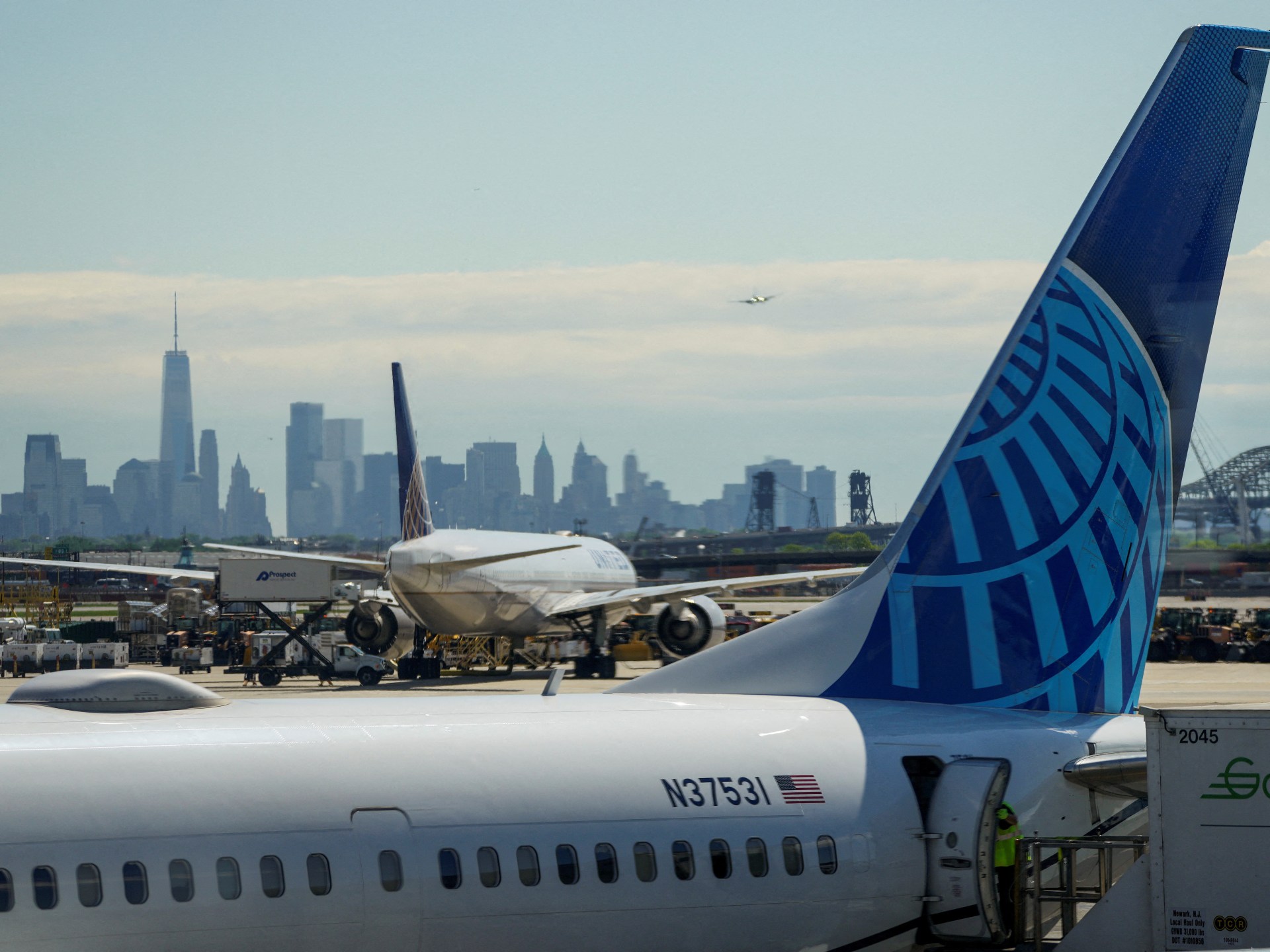
A major Federal Aviation Administration equipment outage forced a temporary halt to flights across US East Coast hubs, triggering severe disruptions in international logistics and global financial markets.
Geopolitical & Core Developments
The decision by the United States Federal Aviation Administration (FAA) to halt departures across major East Coast airports—including John F. Kennedy International, Newark Liberty International, and Philadelphia International—has exposed critical vulnerabilities in Western critical infrastructure. The sudden system failure paralyzed the nerve center of North American commercial aviation, abruptly grounding hundreds of domestic and international flights. While initial reports from federal authorities pointed to a catastrophic software and telecommunications glitch within core air traffic management systems, the scale of the disruption immediately triggered heightened security protocols across national intelligence and transportation agencies. State actors, international carriers, and logistics conglomerates were left scrambling as airspace management systems reverted to manual redundancies. This incident underscores the fragility of hyper-digitized critical infrastructure, where a localized technical failure can rapidly cascade into a national security crisis, disrupting diplomatic travel, state delegations, and routine international mobility across the transatlantic corridor.
Global Trade & Economic Ripples
The cascading effects of the FAA directive extended far beyond passenger inconvenience, striking directly at the heart of global trade, high-value cargo transport, and international commodity logistics. The US East Coast airspace serves as a vital economic conduit, handling massive volumes of time-sensitive air freight, perishable goods, microelectronics, and financial documents essential for global markets. Grounding flights at premier logistical gateways like JFK and Newark instantly delayed global supply chains that rely on the belly-cargo capacity of international passenger jets. Commodity traders monitoring precious metals, high-tech components, and pharmaceutical supplies noted immediate logistical bottlenecks. Furthermore, the disruption rippled through international energy and currency markets, as institutional investors weighed the potential macroeconomic toll of stalled commercial activity in the world's largest economy. Insurance and shipping stocks faced downward pressure as markets reassessed the risk premiums associated with critical infrastructure vulnerabilities in developed nations.
Related Intelligence: Severe Typhoon Barrels Past Japan's Eastern Coast Disrupting Global Supply Chains
International Reactions & Diplomatic Stances
Global capitals and international civil aviation authorities responded to the crisis with mounting concern over the resilience of global transport networks. The International Civil Aviation Organization (ICAO) issued statements emphasizing the urgent need for modernized, interoperable redundancy protocols across G7 airspace corridors. Foreign ministries in Europe and Asia activated consular emergency desks to manage stranded diplomats, corporate executives, and international travelers affected by the sudden grounding. Meanwhile, market analysts and credit rating agencies sharply criticized the recurring susceptibility of US federal infrastructure to technical outages, warning that chronic underinvestment in public sector technology modernization poses a systemic risk to international commerce. Business lobbies in London, Frankfurt, and Tokyo called for enhanced international cooperation in aviation cybersecurity and infrastructure hardening to prevent future cross-border economic shocks.
Strategic Outlook & Future Scenarios
Looking ahead, the FAA system failure is expected to accelerate regulatory scrutiny, legislative spending debates, and strategic overhauls within Western transport sectors. Policymakers in Washington are likely to face intense congressional oversight regarding the reliability of federal aviation architecture, paving the way for emergency funding bills aimed at overhauling legacy digital infrastructure. For global supply chain operators, the incident serves as a stark catalyst to diversify logistics routes, increase reliance on multi-modal transport networks, and build greater resilience against sudden infrastructural disruptions. As international trade negotiations increasingly factor in infrastructure security, upcoming multilateral summits are expected to prioritize joint cybersecurity and resilience frameworks for global transit corridors, ensuring that future technical glitches do not paralyze the interconnected global economy.
Join Our Official WhatsApp Channel
Receive live commodity alerts, policy changes, and commercial intelligence directly on WhatsApp.