
Gaza Humanitarian Toll Deepens as Regional Trade Risks Escalate
Escalating humanitarian catastrophe and ongoing military operations in Gaza deepen regional political fractures, complicating cease-fire negotiations and sustaining commercial trade vulnerabilities across Middle Eastern logistical corridors.
Geopolitical & Core Developments
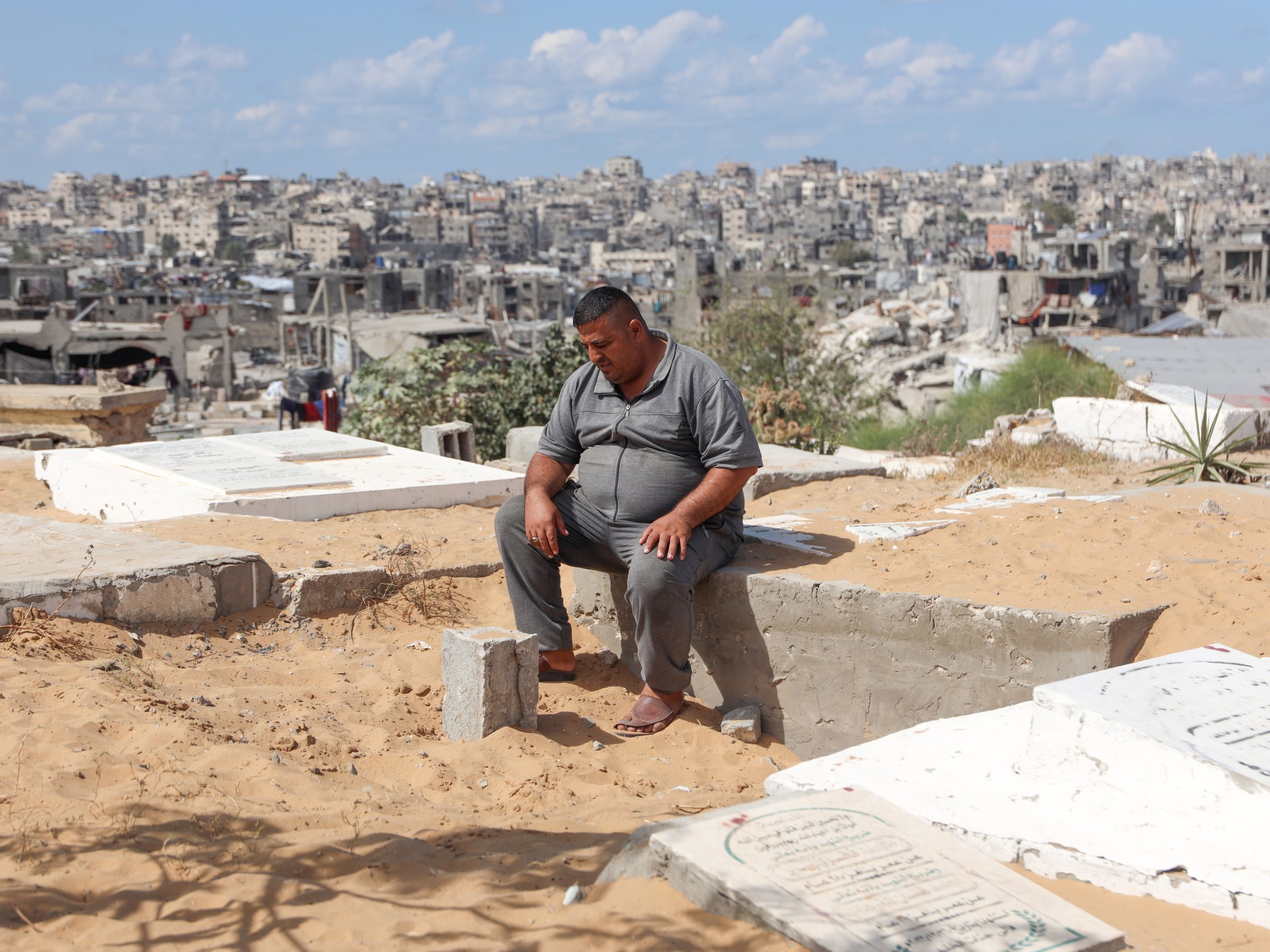
The protracted military operations across the Gaza Strip continue to inflict severe humanitarian distress, marked by wholesale urban destruction and widespread civilian loss. Individual accounts of survival, where civilians find themselves stripped of family networks, shelter, and livelihoods, reflect the broader systemic collapse across the enclave. Beyond the immediate municipal catastrophe, the conflict has hardened regional geopolitical divides. Negotiations mediated by Qatar, Egypt, and the United States remain repeatedly constrained by incompatible security mandates: demands for full military withdrawal and durable cease-fires confront operational doctrines prioritizing permanent security perimeters and defensive control. The persistence of intense ground operations and targeted strikes has mobilized non-state actors along the northern borders of Israel and the southern maritime chokepoints of the Red Sea, cementing a multi-front regional security crisis with long-term strategic ramifications.
Global Trade & Economic Ripples
While the human devastation remains concentrated within localized battle zones, the economic fallout continues to reverberate through critical international commercial arteries. The maritime shipping corridor through the Bab el-Mandeb strait and Suez Canal remains severely constrained due to retaliatory anti-ship campaigns launched by regional factions. Major container lines continue to divert tonnage around the Cape of Good Hope, adding ten to fourteen days to Asia-Europe transit times, inflating bunker fuel expenditures, and elevating vessel carbon intensity metrics. Global commodities, particularly liquefied natural gas (LNG) and crude oil benchmarks, retain an embedded geopolitical risk premium. Regional energy dynamics are also under strain; prospective infrastructure projects intended to integrate Eastern Mediterranean natural gas into European distribution networks face extended delays, discouraging private capital investment and complicating sovereign energy diversification agendas.
Related Intelligence: Peshawar High Court Sets Hearing on Khyber Pakhtunkhwa Governance Petitions
International Reactions & Diplomatic Stances
Multilateral institutions have sharpened their scrutiny of the conflict. The United Nations General Assembly and the International Court of Justice have repeatedly emphasized international humanitarian law obligations, urging immediate access for humanitarian relief and the protection of non-combatant populations. European Union foreign ministers remain diplomatically fragmented, balancing bilateral partnerships against mounting public and legislative pressure to review trade association agreements. In contrast, regional powers throughout the Middle East and the Global South have condemned the ongoing operations in unequivocal terms, linking normalized economic integration directly to sovereign Palestinian statehood. Western capitals, notably Washington and London, continue to pursue diplomatic balance, sustaining defense commitments while warning against extended military governance and broader territorial destabilization.
Strategic Outlook & Future Scenarios
The strategic trajectory suggests an extended period of attritional operations paired with localized humanitarian vacuums. Without an internationally underwritten framework addressing governance, reconstruction financing, and security guarantees, stabilization will remain elusive. Upcoming diplomatic summits, including UN General Assembly sessions and regional economic forums, are anticipated to focus heavily on conditional aid packages and maritime security alliances. However, corporate supply chain planners and energy traders must prepare for baseline volatility to persist well into the upcoming quarters. Any potential escalation involving broader regional powers poses direct risks of secondary sanctions, elevated sovereign credit spreads across frontier Middle Eastern economies, and systemic realignment of global shipping corridors.
Join Our Official WhatsApp Channel
Receive live commodity alerts, policy changes, and commercial intelligence directly on WhatsApp.