
Indonesia Battles Severe Forest Fires, Solicits International Aid Amid Economic Fallout
Jakarta has requested foreign intervention to quell its deadliest forest fires in a decade, which have killed four and disrupted regional commerce, environmental stability, and key agricultural supply chains.
Geopolitical & Core Developments
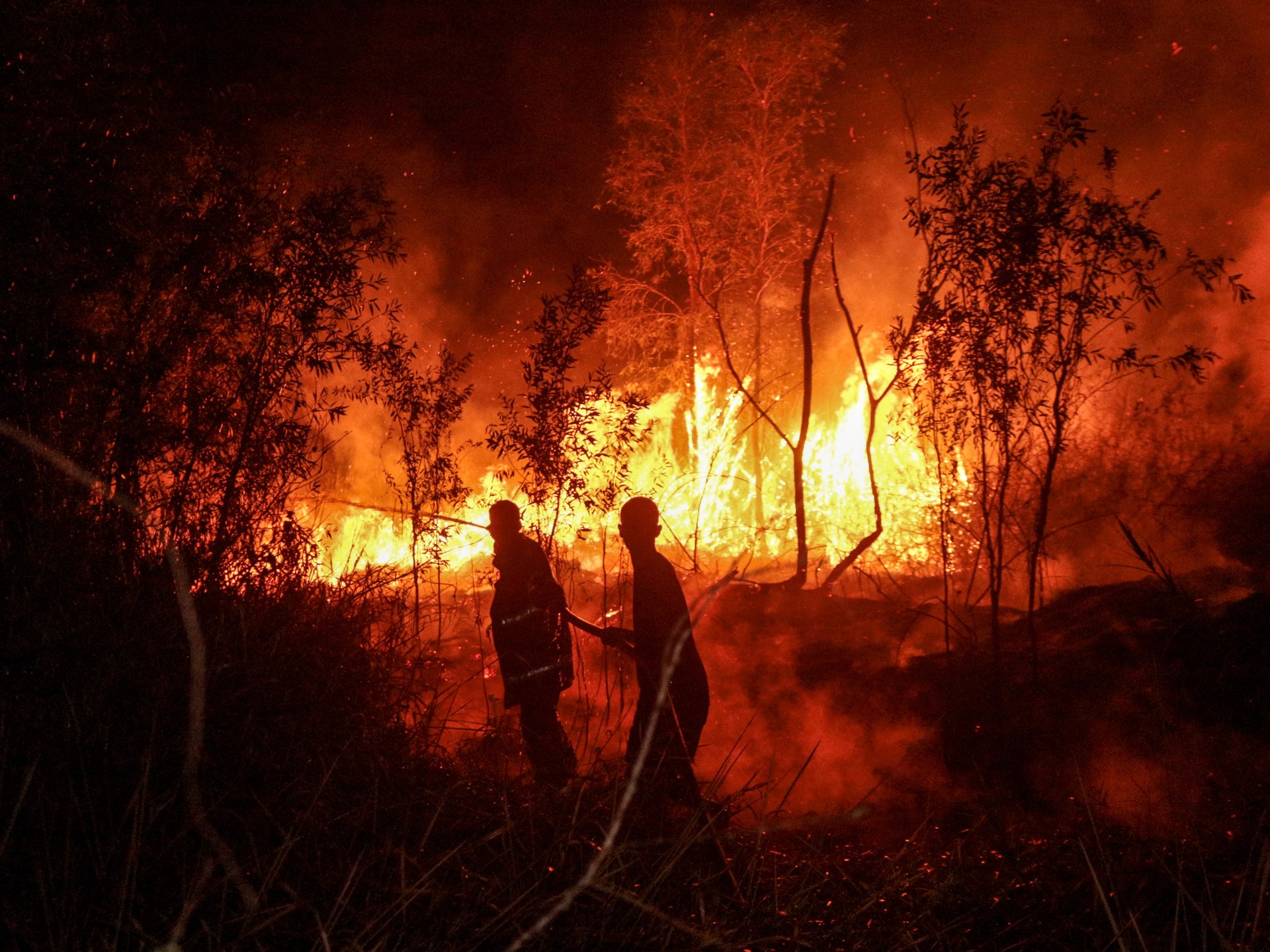
Indonesia is facing its most destructive forest and peatland fires in over ten years, leading the government in Jakarta to formally declare an openness to foreign logistical and operational assistance. The catastrophe has claimed at least four lives, injured dozens of emergency workers, and forced the evacuation of thousands across Sumatra and Kalimantan. Prolonged dry spells linked to severe weather anomalies have exacerbated the annual dry-season burnings, routinely initiated by slash-and-burn practices to clear land for palm oil and timber concessions.
Presidential authorities have deployed tens of thousands of military personnel, police officers, and civil defense units to combat thousands of distinct fire hotspots. However, subterranean peat blazes, burning tens of meters beneath the surface, have proven virtually impervious to conventional water-bombing sorties. Faced with depleting municipal reserves, mounting public health emergencies, and deteriorating air quality across the archipelago, the central government has moved past its historical reluctance to accept international intervention, opening access for specialized aerial firefighting assets from regional and multilateral partners.
[Global Trade](/news/us-midterm-voter-discontent-signals-global-trade-shifts) & Economic Ripples
As the world's leading exporter of crude palm oil (CPO) and a dominant supplier of paper pulp, Indonesia's worsening fire crisis is rippling through international commodity desks. Extensive plantation damage and operational standstills across Riau, Jambi, and Central Kalimantan have prompted trading desks to price in yield reductions, driving benchmark palm oil futures higher on regional exchanges. Continued logistical bottlenecks at major riverine and maritime export terminals, where dense smoke has severely impaired visibility, threaten to tighten global edible oil balance sheets already strained by international trade frictions.
Furthermore, the resulting transboundary haze is exacting heavy economic penalties across Southeast Asia. Disrupted air traffic corridors, port delays around the Malacca Strait, and surging public health expenditures are denting corporate productivity in neighboring economies. In urban commercial hubs, ground-level retail activity has slowed dramatically as particulate levels breach hazardous thresholds, dampening tourism revenues and increasing corporate operating expenses.
Related Intelligence: Severe Weather Paralyzes Gilgit-Baltistan Transit Corridors, Claiming Two Lives
International Reactions & Diplomatic Stances
The transboundary haze has reignited diplomatic tensions within the Association of Southeast Asian Nations (ASEAN). Singapore and Malaysia have registered formal concerns over public health hazards and domestic economic disruptions, invoking the ASEAN Agreement on Transboundary Haze Pollution. While diplomatic language remains measured, counterparts in Kuala Lumpur and Singapore have underscored the need for rigorous corporate accountability, pressuring Jakarta to sanction plantation operators responsible for illicit clearing.
Multilateral institutions, including the United Nations Environment Programme (UNEP) and the World Bank, have expressed alarm over the immense carbon emissions released by burning tropical peatlands, which act as vital global carbon sinks. Analysts warn that the release of millions of tons of greenhouse gases severely threatens Indonesia's climate commitments under the Paris Agreement. Western trade delegations have reiterated that continued deforestation and fire non-compliance could precipitate further regulatory hurdles under the European Union Deforestation Regulation (EUDR).
Strategic Outlook & Future Scenarios
In the near term, relief depends on the deployment of multinational aerial equipment, including specialized water bombers from regional partners, alongside the onset of the seasonal monsoon. However, long-term stability requires comprehensive reform of land-use governance, peatland re-wetting initiatives, and stricter enforcement against commercial land clearance.
Should the blazes persist without containment, Jakarta risks not only domestic political backlash over public health management but also structural trade penalties from global consumers demanding traceable, deforestation-free commodities. The coming weeks will determine whether Indonesia's willingness to accept foreign aid fosters institutionalized regional environmental mechanisms, or whether recurring climate and corporate negligence will undermine regional economic integration and investor confidence.
Join Our Official WhatsApp Channel
Receive live commodity alerts, policy changes, and commercial intelligence directly on WhatsApp.