
Trump Excludes Nuclear Strike on Iran While Leaving Conventional Options Open
Donald Trump explicitly ruled out nuclear deployment against Iran while preserving massive conventional strike options, dampening worst-case deterrence fears but sustaining volatility across Middle Eastern trade corridors and crude markets.
Geopolitical & Core Developments
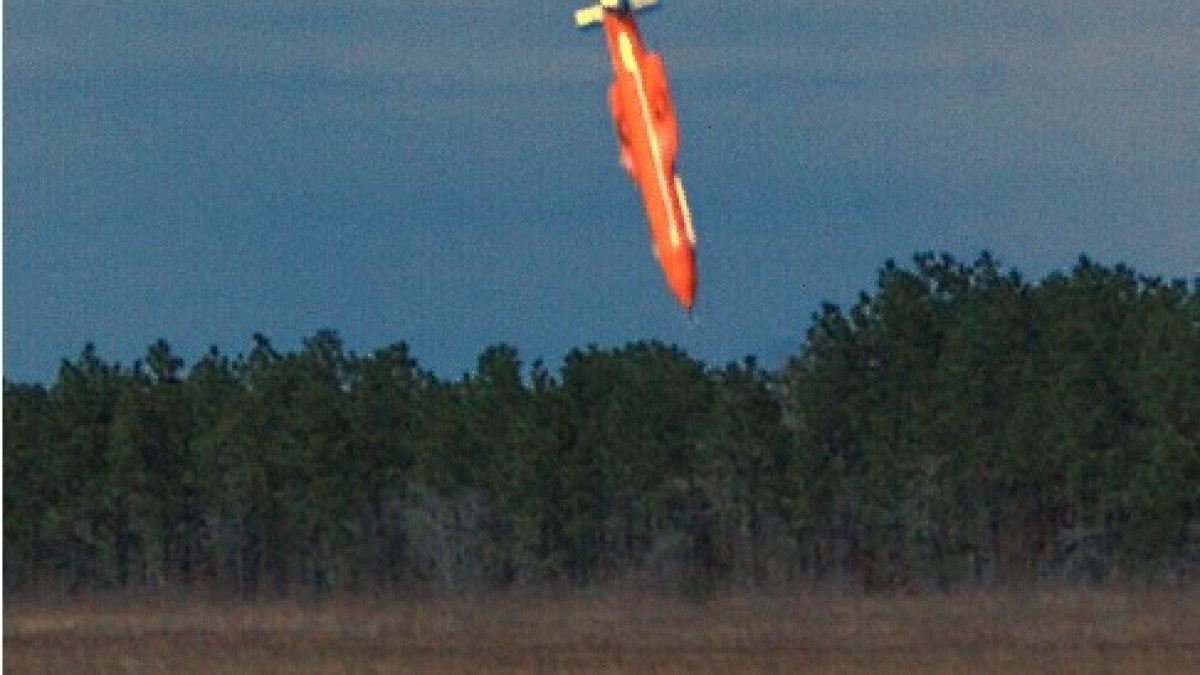
In a consequential clarification of American strategic posture, former United States President Donald Trump formally excluded the deployment of nuclear weapons against Iran. The remarks represent the first explicit delineation of nuclear deterrence limits regarding Tehran, addressing mounting speculation among defense planners and international observers over potential military trajectories. However, while Trump decisively removed atomic capabilities from operational discourse, he conspicuously declined to rule out the deployment of high-yield conventional munitions, most notably the GBU-43/B Massive Ordnance Air Blast (MOAB), colloquially known as the 'mother of all bombs.'
This nuanced distinction arrives amid protracted frictions between Washington, its regional allies, and Tehran regarding Iran's advanced uranium enrichment activities and ballistic missile programs. By publicly rejecting the nuclear option, the rhetoric attempts to alleviate catastrophic escalation scenarios that could trigger mutual defense protocols among global powers. Concurrently, retaining non-nuclear bunker-busting and heavy ordnance alternatives maintains credible coercive pressure against fortified, deeply buried Iranian infrastructure, including enrichment facilities at Fordow and Natanz.
Global Trade & Economic Ripples
The immediate consequence of setting a non-nuclear boundary is felt across international commodity desks and maritime corridors. While the explicit disavowal of nuclear warfare removes an immediate tail-risk shock for global equities, the deliberate ambiguity concerning major conventional strikes preserves elevated geopolitical risk premiums across crude oil benchmarks. Brent crude and West Texas Intermediate remain susceptible to sudden supply disruption fears, given Iran's strategic positioning along the Strait of Hormuz—a choke point managing approximately twenty percent of the world's petroleum transit.
Marine insurance underwriters continue to assess war risk premiums for commercial vessels operating in the Persian Gulf and Gulf of Oman. A transition toward potential heavy conventional operations, rather than asymmetric containment, suggests prolonged elevated costs for bulk shipping, liquefied natural gas (LNG) tankers, and container fleets. Regional airfreight lanes and supply chains linked to Gulf cooperation hubs face recurring contingency planning, keeping freight forwarding rates firm and hedging strategies active across international industrial sectors.
Related Intelligence: US Aviation Sanctions Squeeze Iranian Travel and Disrupt Regional Commercial Corridors
International Reactions & Diplomatic Stances
Diplomatic corridors in European capitals, including London, Paris, and Berlin, registered the statement with measured relief, viewing the containment of nuclear rhetoric as critical to preventing an uncontrollable regional conflagration. European Union diplomats have repeatedly advocated for diplomatic containment, warning that loose rhetoric regarding atomic weapons undermines the international non-proliferation framework established under the Non-Proliferation Treaty (NPT).
In Tehran, state officials and military leadership under the Islamic Revolutionary Guard Corps (IRGC) maintained that any conventional assault on sovereign territory, regardless of payload classification, would trigger reciprocal retaliatory measures against regional military infrastructure. Multilateral observers at the International Atomic Energy Agency (IAEA) reiterated that sustained stability and verified diplomatic oversight remain the only viable mechanism to resolve technical disputes, cautioning that kinetic threats risk accelerating unilateral decisions to break out toward sovereign deterrence capabilities.
Strategic Outlook & Future Scenarios
The strategic posture outlines a trajectory defined by conventional brinkmanship rather than total warfare. In the near term, the deliberate focus on heavy conventional munitions signals that Western defense planning concentrates on precision destruction of subterranean and military assets without crossing the ultimate geopolitical threshold.
Upcoming diplomatic sessions, alongside bilateral dialogues between regional powers, will gauge whether this boundary creates room for calibrated de-escalation or incentivizes Iran to disperse and fortify its assets further. Market participants should anticipate continued cyclical volatility across energy derivatives, sustained naval vigilance in Persian Gulf shipping lanes, and an intensified diplomatic push from intermediary states to establish formal negotiation parameters before conventional posturing materializes into tactical engagement.
Join Our Official WhatsApp Channel
Receive live commodity alerts, policy changes, and commercial intelligence directly on WhatsApp.